Importing organic fruits and vegetables according to UglyFruits
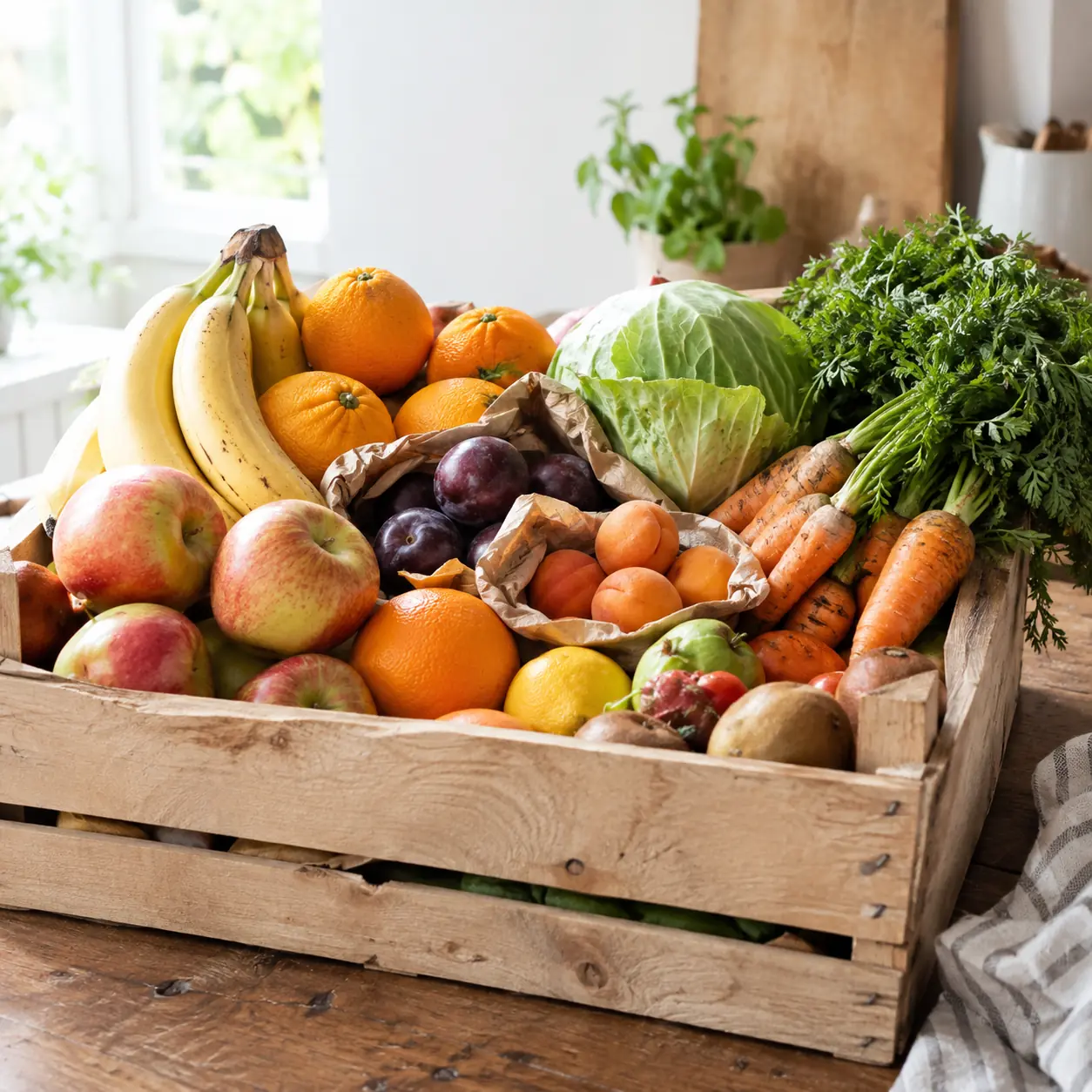
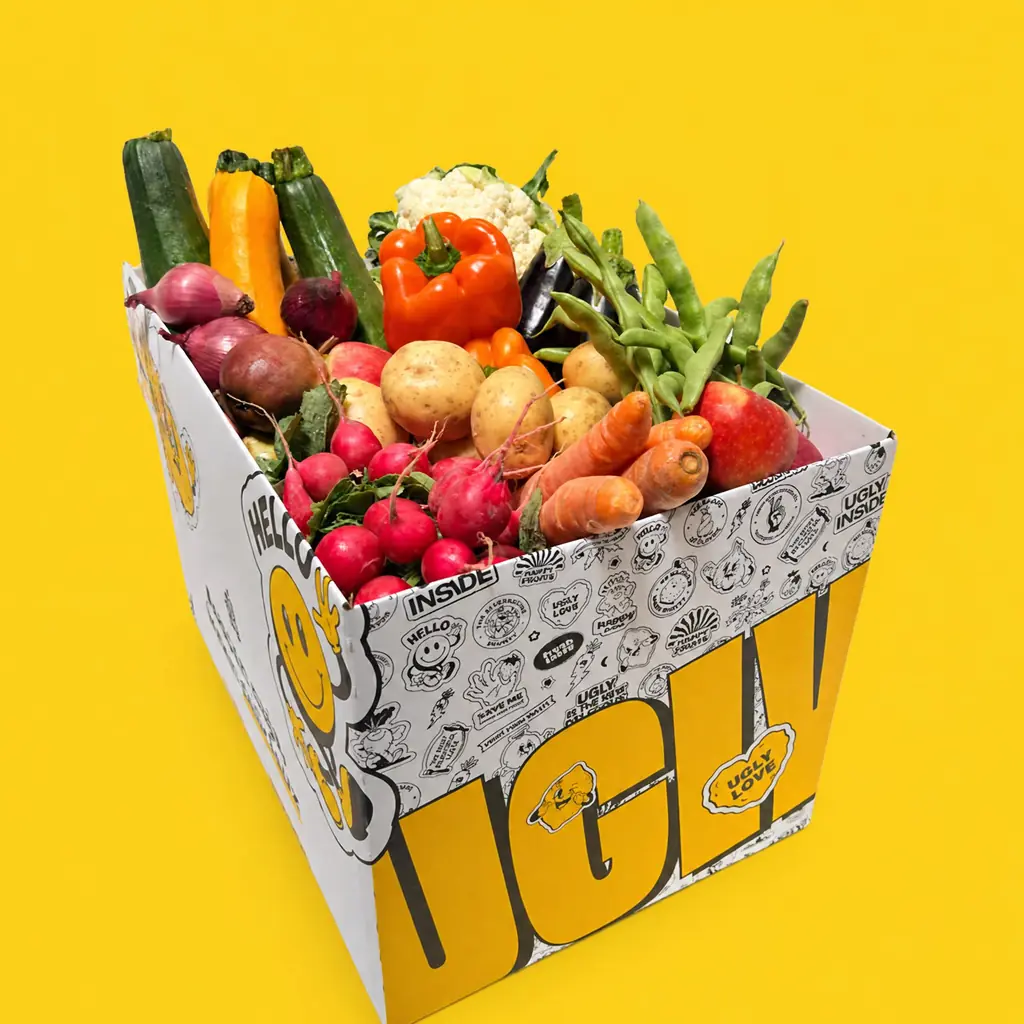
Our goal: to offer you 100% seasonal products and prioritize local fruits and vegetables. Our baskets are 100% Swiss, or pretty darn close. Here's why, in full transparency.
Before you start throwing (ugly, obviously) tomatoes at us, let us explain why — and more importantly, how we import fruits and vegetables.
The myth of “all local, all year round”
Let’s be honest for a minute. Switzerland, with its stunning mountains and quality hay, only produces a portion of what it eats. In 2023, Swiss agriculture covered 54% of the country’s food needs — and while that rate climbs to around 99% for animal products, it drops to just 42% for plant-based products. In other words: fruits and vegetables are, structurally, the category most dependent on imports, with CHF 2.8 billion worth of fruits and vegetables imported in 2023 (source: Federal Statistical Office, Agriculture and Food Pocket Statistics, 2024-2025).
Add geography and weather to the mix: try growing citrus fruits in January in Neuchâtel or Zurich ;-)
During the off-season and winter, the variety we try to guarantee in your baskets — to avoid yet another 100% leeks-and-carrots basket in February — inevitably has to cross a border at some point.
Nothing groundbreaking so far. The real question is: how we import.
Our secret: we import… through our Swiss producers
Rather than going through large, anonymous purchasing centers, we rely on our Swiss producers to select and import certain products that can’t be grown here, or not year-round.
In practice: they handle the selection with the same standards they apply to their own harvests. The same eye, the same expertise, applied to a product that comes from elsewhere.
Why is this smart rather than contradictory? Three reasons:
1. It provides work (and income) for our Swiss producers.
In 2023, the average agricultural income for a Swiss farm was CHF 79,900 — an amount that diversification of activities significantly supplements: so-called “extra-agricultural” income for farming households increased by 5.5% that year (source: Federal Statistical Office, cited by Blick, 2024). Entrusting imports to our producers is an additional activity for them, beyond their own crops and their own seasons.
2. It guarantees the quality we want.
A producer who knows how to recognize a good plum also knows how to recognize a good mandarin. The selection process doesn’t change just because the product has traveled.
3. It maintains the transparency we owe you.
No black box, no anonymous middleman between the producer and your basket. You always know who selected what you’re eating, and why.
So, what does this mean in practice?
An imported product at UglyFruits isn’t a mishap or a compromise we’re sweeping under the rug. It’s a deliberate choice: ensuring variety in your baskets all year round, without sacrificing quality or support for Swiss agriculture — quite the opposite, in fact.
We’re not claiming to reinvent international trade. We’re just trying to do things a little smarter, at our own scale: ugly, but well thought out.