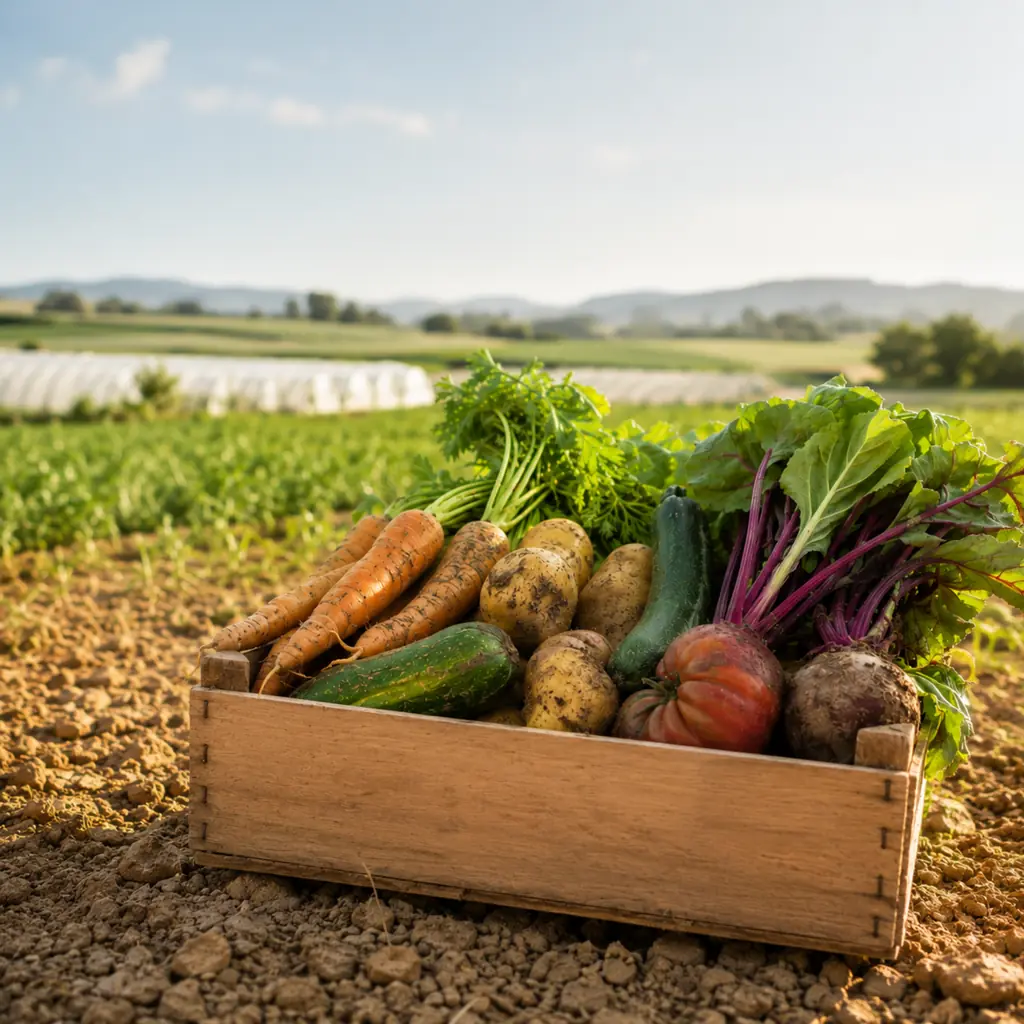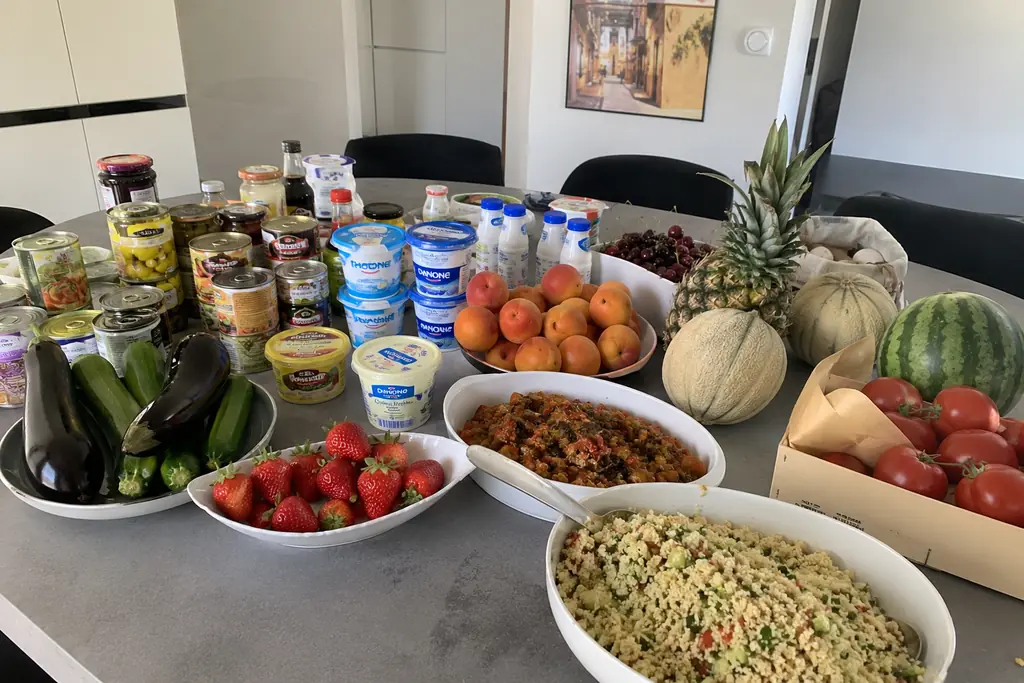
Why isn't your basket always exactly the same?
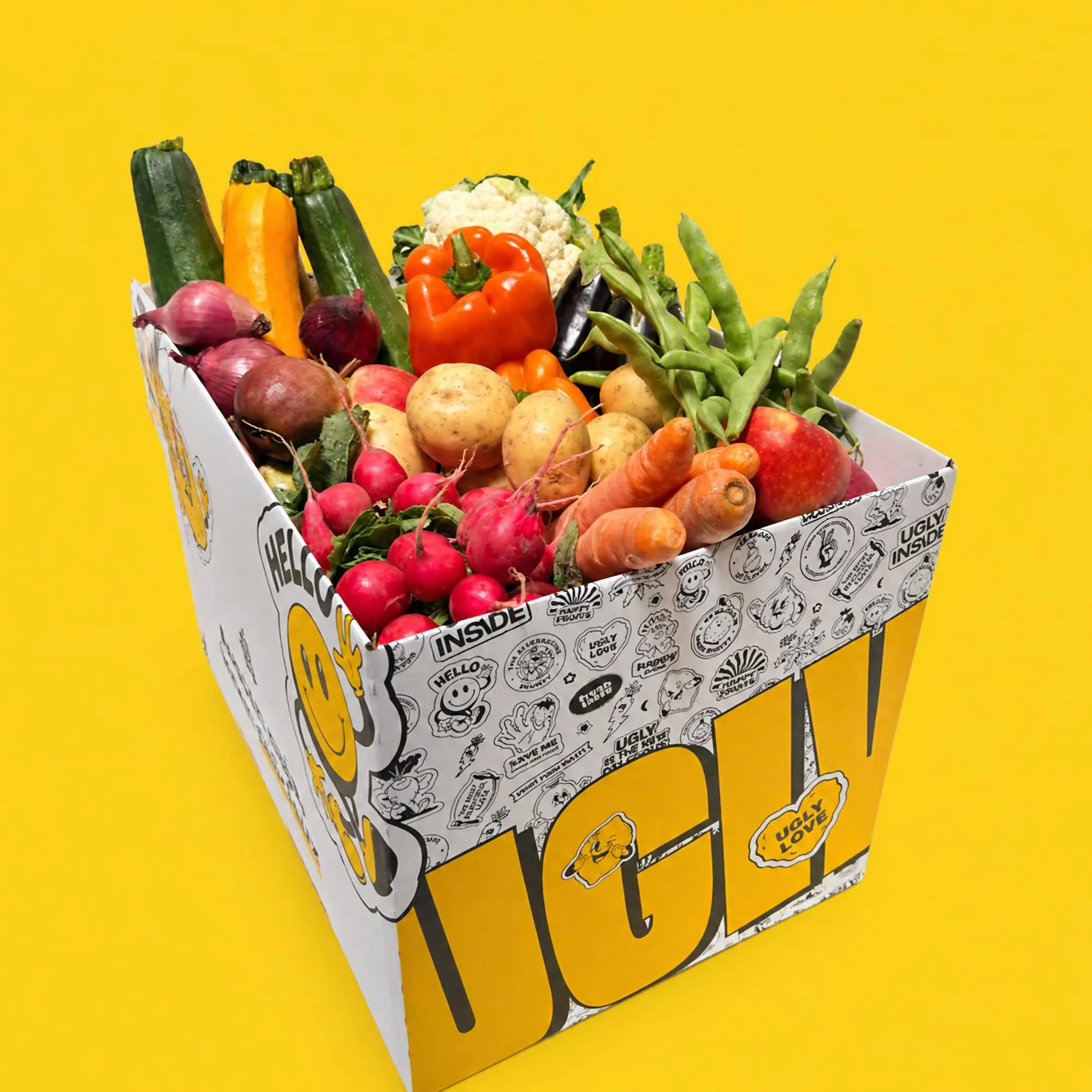
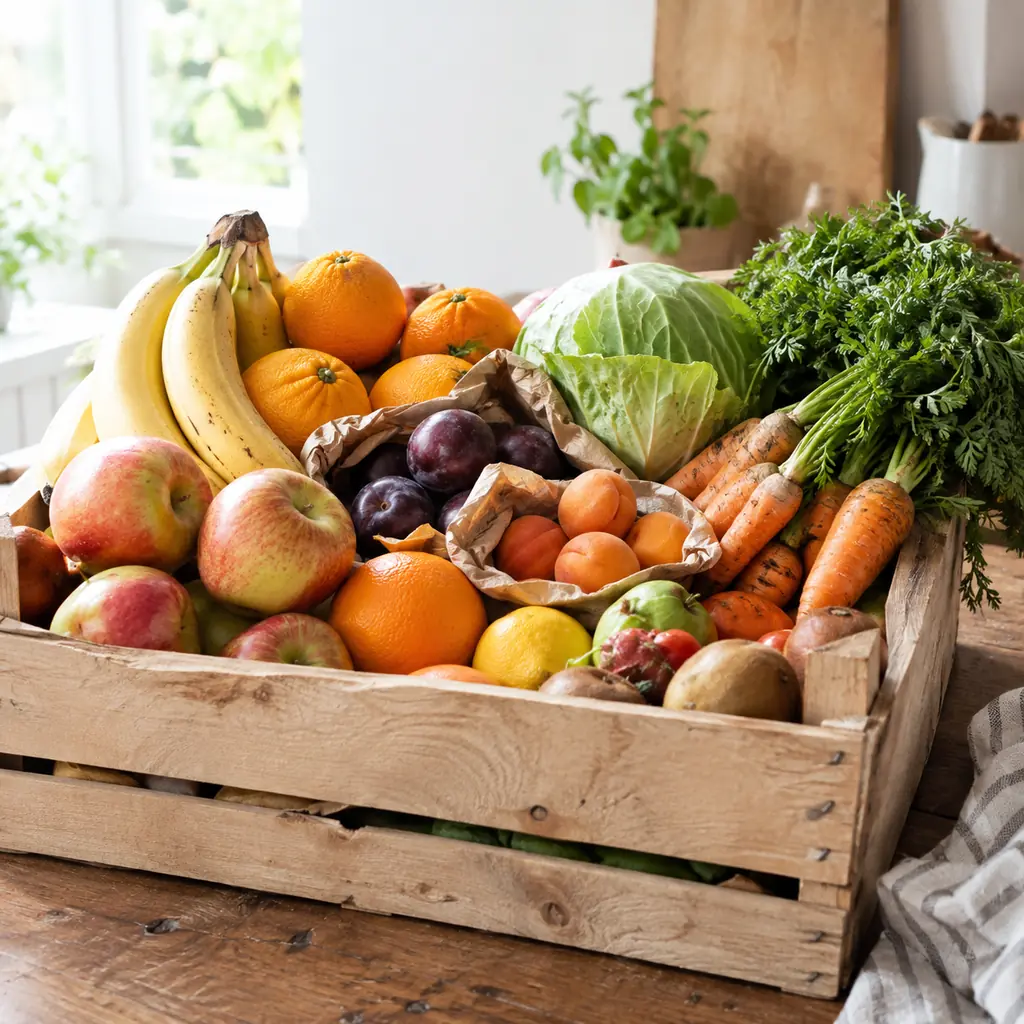
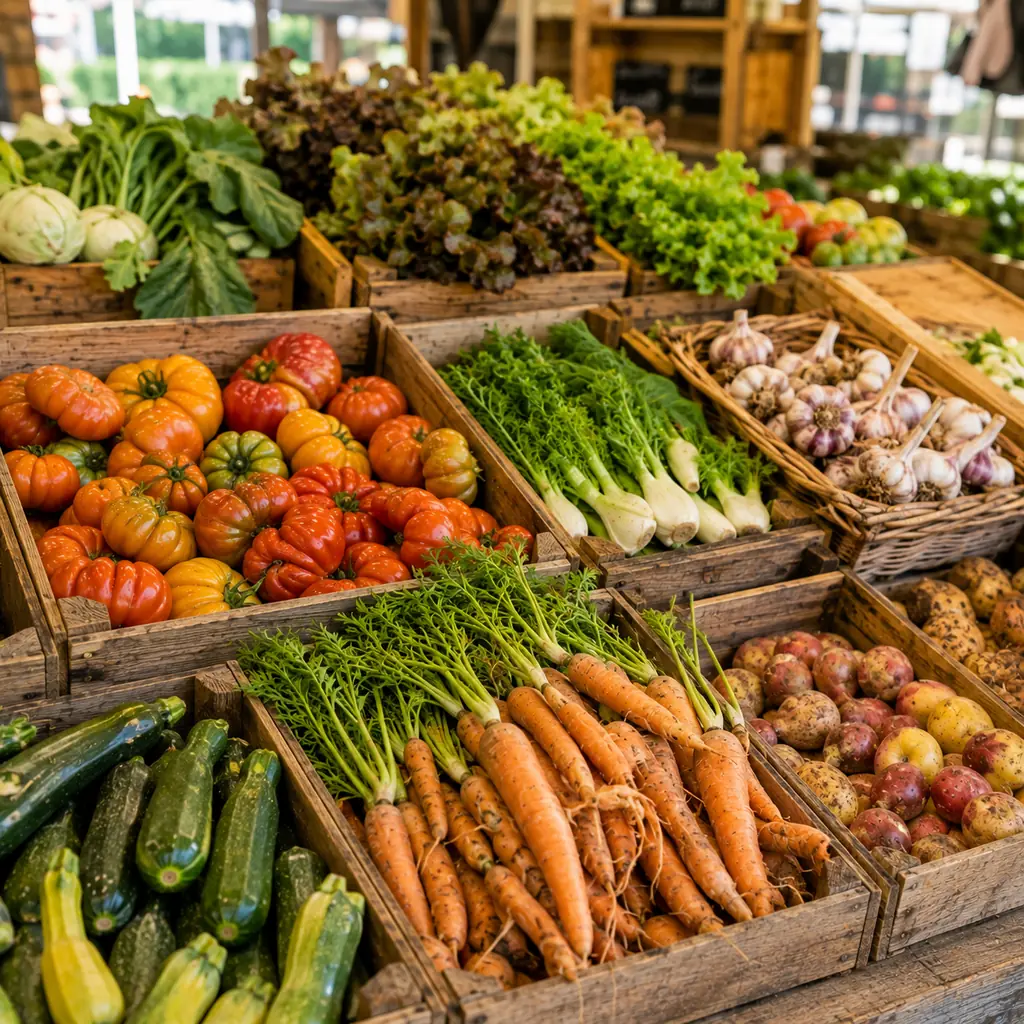
Because vegetables don't check your weekly schedule! You were expecting tomatoes. There are fewer. You thought you'd get zucchini. There are plenty. And then a vegetable you hadn't even thought about ends up in your basket. It's not a glitch.
It’s simply the reality of agriculture that depends on seasons, harvests, and availability.
Agriculture doesn’t work like a factory
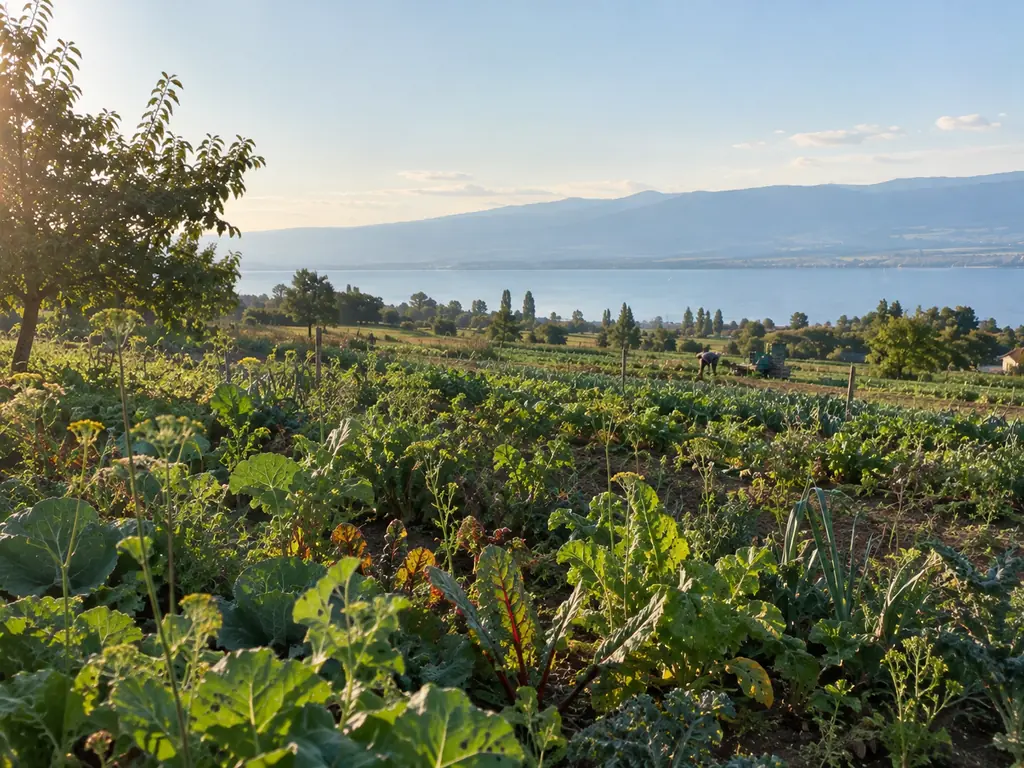
A farm product can’t always be made on demand. The quantity available depends on the crop, the production cycle, and the year’s conditions. One harvest can be particularly abundant while another may be more limited.
A single crop can also change quickly.
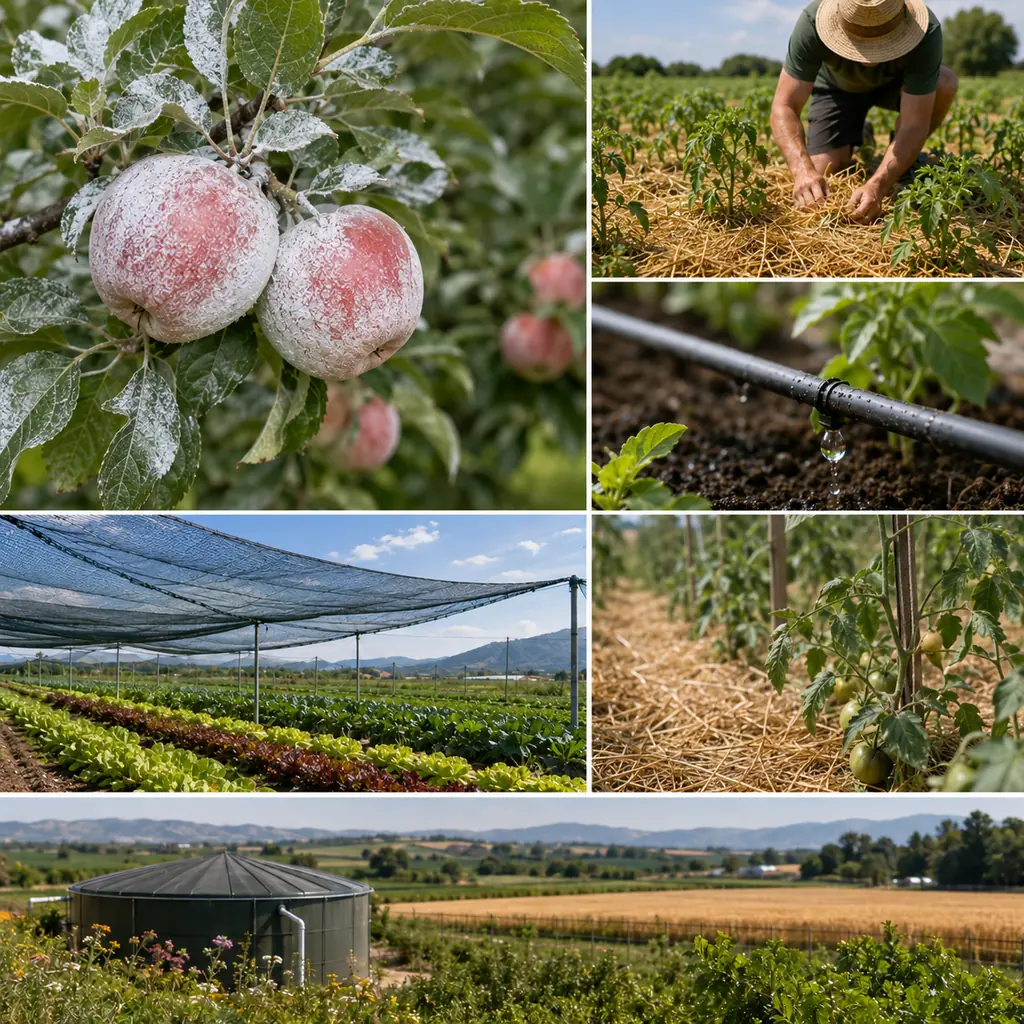
A few days of sun and heat can speed up the ripening of certain vegetables, while a cooler or wetter period can slow their growth. This variability is inherent to agriculture. And when you choose to work more with fresh, seasonal produce, it naturally becomes visible in the baskets.
Why this variation can be a good thing
We’ve gotten used to finding almost every product year-round and in very consistent formats. A seasonal basket tells a different story. It simply says: “Here’s what’s available right now.” It might be less predictable at times, but it’s also a way to stay more connected to agricultural realities. The produce you receive isn’t chosen just because it’s available from a supplier. It also depends on what actually grew and what can be put to good use at that moment.
Abundance can also become an opportunity
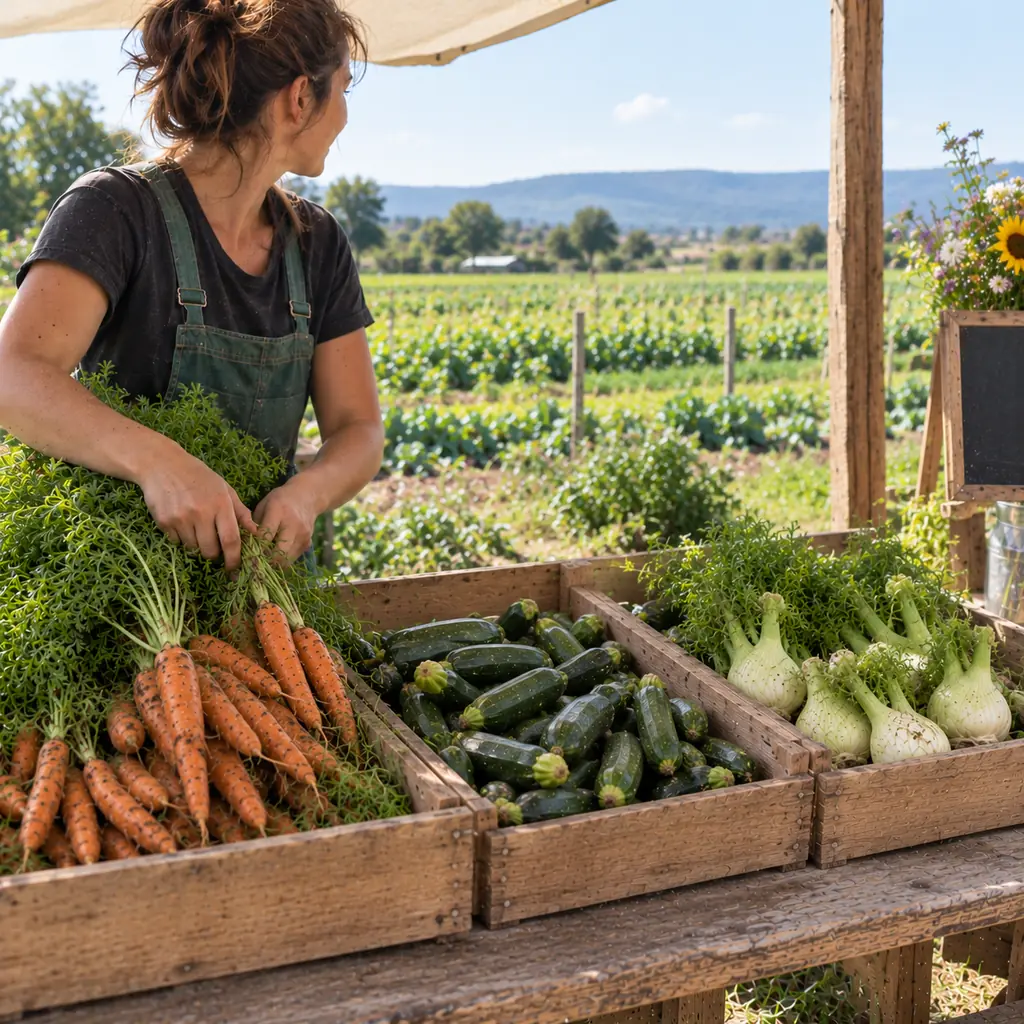
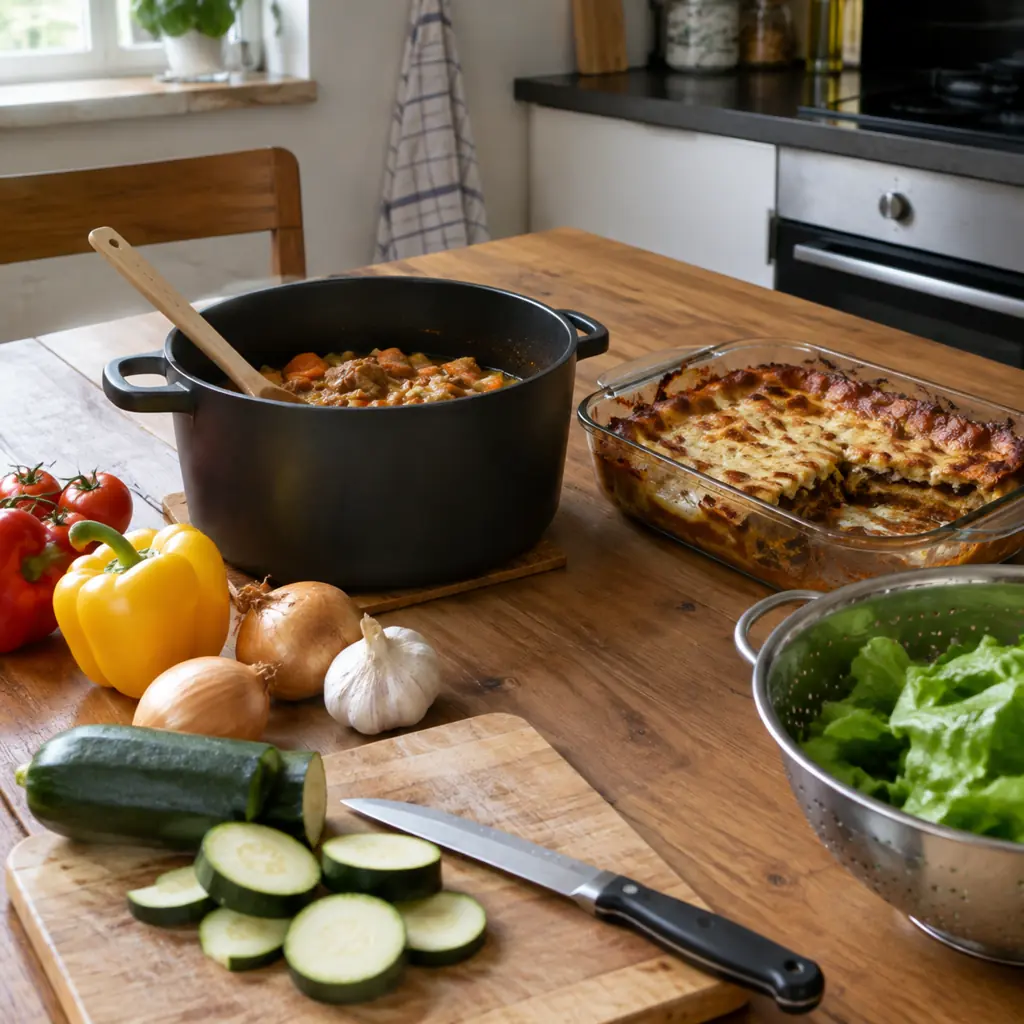
When a producer harvests a lot of one product over a short period, there needs to be a way to absorb those volumes. Baskets can help create an additional outlet. And this sometimes leads to an experience we really love at UglyFruits: helping you discover a new way to cook a product you thought you knew. You’ve got lots of zucchini? Perfect. Maybe it’s time to try roasted zucchini, a cold soup, fritters, or marinated vegetables. Seasonality can also be an invitation to mix up your cooking. Accepting variation also means embracing a bit of seasonality This sometimes requires a small shift in habits.
Instead of deciding exactly what we’re going to eat several days in advance, we can keep part of our meals more flexible.
You can plan a base, then decide at the last minute which vegetables to use based on what needs to be eaten.
This flexibility makes it easier to adapt to available produce and can also help fight food waste.
A basket that varies isn’t necessarily less predictable. It’s simply more influenced by:
- the seasons;
- the harvests;
- availability;
- the realities of producers.
And ultimately, it reminds us of something pretty simple: we eat what grows, not just what’s perfectly planned.