A method for cooking without following a recipe to the letter
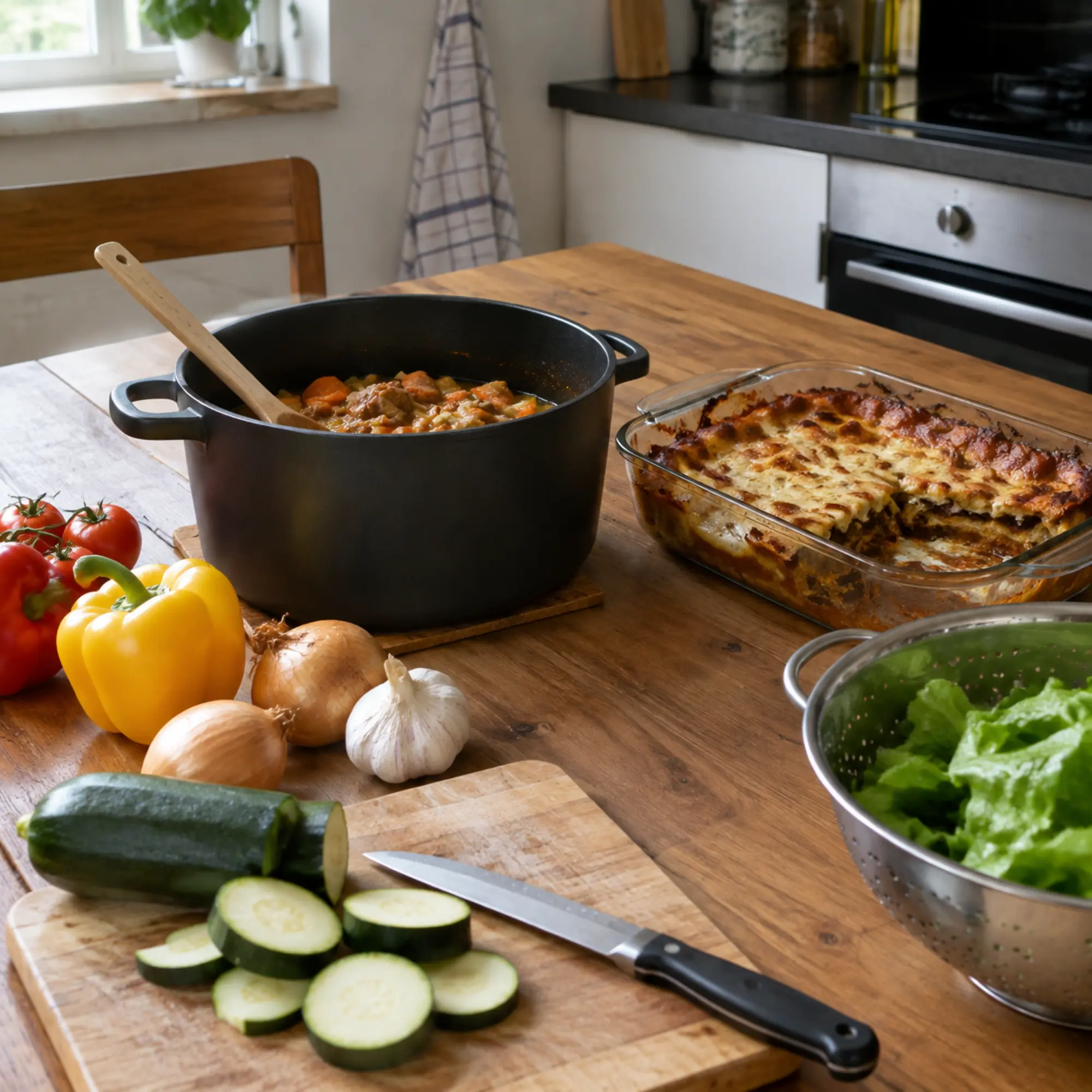
What if your fridge became your cookbook? You've got three carrots, a zucchini, a few potatoes, and half a cabbage. You search for a recipe. And then the internet suggests an "easy vegetable gratin" with twelve ingredients you've never heard of. You're missing the cream, the parmesan, the fresh thyme, two eggs, and probably a good dose of domestic organization. So off you go to the grocery store. And that's exactly where we'd like to suggest a different approach.
Start from the ingredient, not the recipe
Cooking to reduce food waste often begins with a shift in mindset.
Instead of asking:
“What do I need to buy to make this recipe?”
you can ask:
“What do I already have, and how can I cook it?”
This difference seems small.
Yet it can change a lot.
It allows you to start from what’s already available and adapt the meal accordingly, rather than systematically buying new ingredients to follow a specific recipe.
Step one: identify priority items
Start by looking in your fridge.
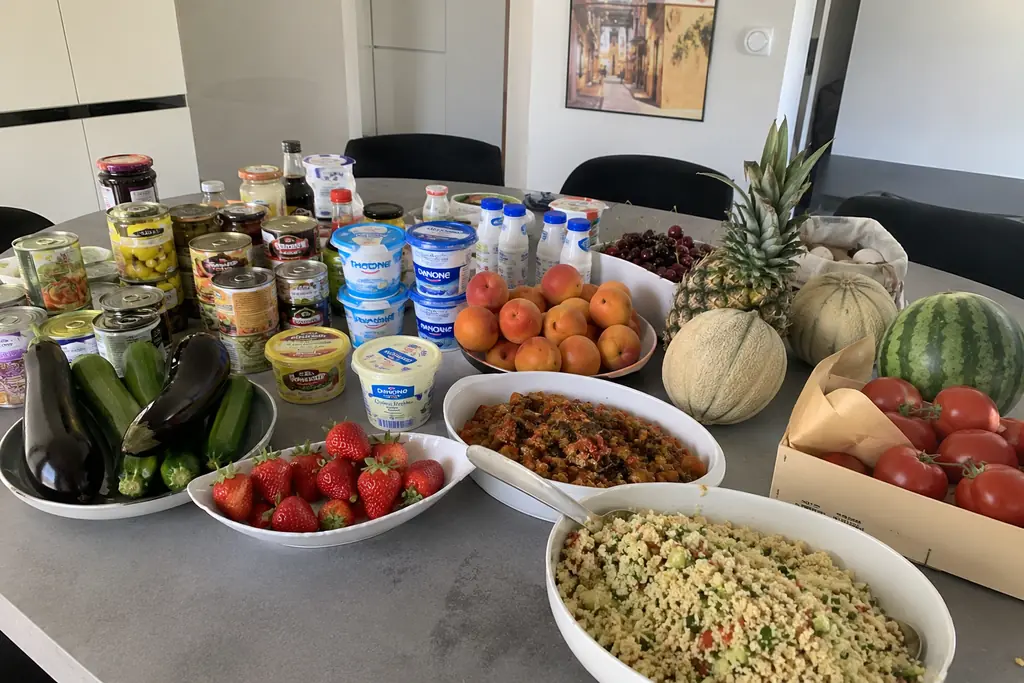
Which vegetables have already been opened? Which fruits are getting very ripe? Which items are the most fragile?
Those are the ones that should take priority.
You can then build your meal around them.
This simple habit helps prevent a forgotten item at the back of the fridge from suddenly becoming “too old.”
Step two: choose a base
Once you’ve identified your vegetables, choose a base that will give structure to the meal: rice, pasta, potatoes, grains, legumes, or bread.
You’ve already got a large part of the dish.
Then, decide what form you want to give it. The same vegetables can become a soup, a stir-fry, a curry, a gratin, a tart, or simply roasted vegetables. A vegetable isn’t tied to just one recipe.
Step three: add whatever you have on hand
This is often where the dish gets its personality. An egg, a bit of cheese, some seeds, herbs, a spice, or a sauce can be enough to transform a very simple preparation. And most importantly, you don’t need to have exactly the ingredients listed in a recipe. A zucchini can replace an eggplant. Swiss chard can replace spinach. An overripe apple can become a dessert rather than waste. Cooking is much more flexible than we tend to think.
The “clean out the fridge” meal
A good habit is to regularly plan a meal where no specific recipe is decided in advance. You open the fridge. You see what’s left. You choose the priority items and you improvise.
This meal might not always be worthy of a fancy restaurant. But it can be delicious. And most importantly, it gives a purpose to the food that might otherwise sit there for a few more days.
Over time, this way of cooking becomes almost second nature.
You no longer look at a vegetable wondering which specific recipe it belongs to, but what possibilities it offers.