Do you throw away your peels and fruit and vegetable stems?
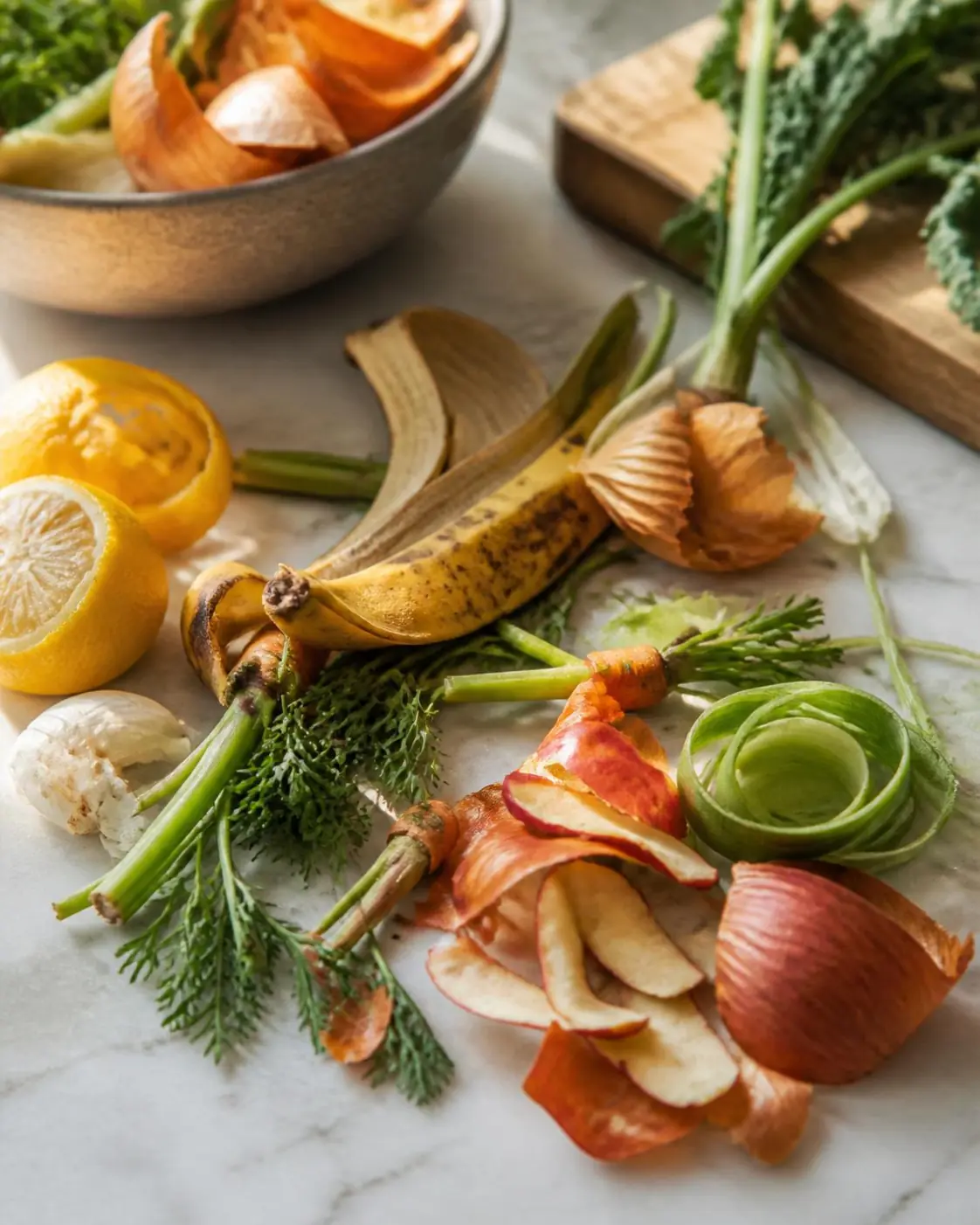
We've got 10 recipes for them. From leek greens to apple peels — everything deserves a second chance on your plate.
There’s an unwritten rule in many kitchens: keep the pretty parts, toss the rest. Leek greens go in the trash. The thinnest rhubarb stalks too. Apple peels? Off to the compost bin if you’re diligent, garbage if you’re not.
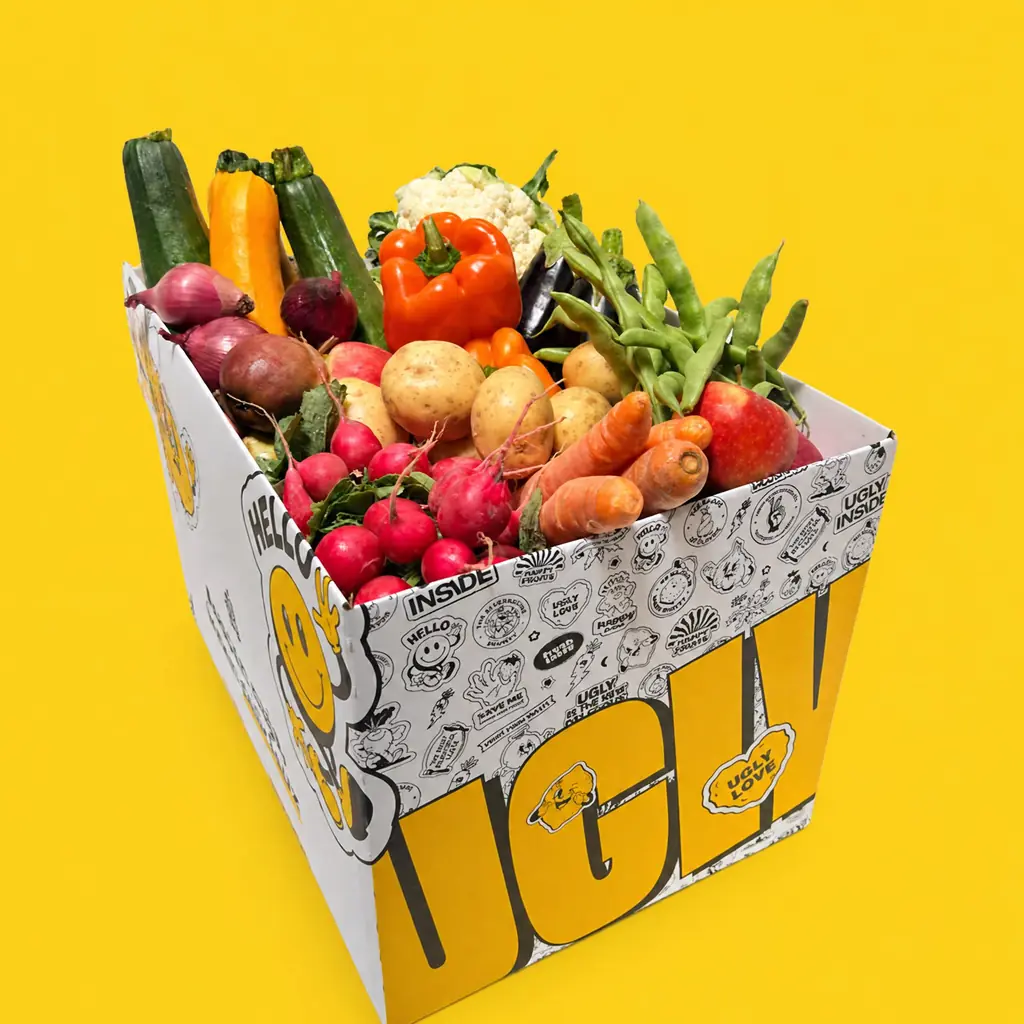
Yet, most of these “scraps” are edible, delicious, and sometimes more flavorful than the parts we keep. Here are 10 practical recipes — simple, no fuss — to cook what we usually throw away using the products you’ll find in an Uglyfruits basket.
The part we throw away is often the most flavorful one.
01 - Homemade broth with leek greens
Leek greens pack more flavor than the white part — they’re just a bit tougher. In a broth, that’s exactly what you want.
1 / Rinse the green leaves thoroughly (they trap dirt).
2 / Place them in a large pot with a carrot, a celery stalk if available, thyme, bay leaf, and a few peppercorns.
3 / Cover with cold water, bring to a boil, let simmer for 45 min with the lid on.
4 / Strain, season lightly with salt.
Freeze in 500 ml portions. This broth replaces any bouillon cube in a risotto, soup, or sauce. Infinitely better and free.
02 - Homemade vinaigrette with fresh onion stems
The green stems of fresh onions have a mild, fresh onion flavor. Finely chopped, they transform an ordinary vinaigrette.
1 / Finely chop 4–5 green stems from fresh onions.
2 / Mix with 3 tbsp olive oil, 1 tbsp apple cider vinegar, 1 tsp mustard, salt, and pepper.
3 / Let it infuse for 10 min before serving. The stems bring freshness and a natural light kick.
Same goes for fresh garlic green stems — even more fragrant, perfect on bruschetta or pasta.
03 - Green garlic butter
Fresh garlic has a milder, more herbaceous flavor than dried garlic. Its green stems — often thrown away — are perfect for a compound butter that adds flavor to everything it touches.
1 / Very finely chop a handful of fresh garlic green stems.
2 / Mix with 100g of softened butter, a pinch of fleur de sel, and a squeeze of lemon juice.
3 / Roll in plastic wrap into a log shape. Refrigerate for 1h or freeze.
4 / Cut into rounds to melt over vegetables, pasta, fish, or toasted bread.
Keeps for 3 weeks in the fridge and 3 months in the freezer. Make a big batch when fresh garlic is in season.
04 - Minestrone soup with outer leek leaves
The outer leaves of leeks, often discarded because they’re too fibrous when raw, soften perfectly when cooked. In soup, they provide an excellent flavor base.
1/ Roughly chop the green leaves and sauté for 5 min in a drizzle of olive oil with garlic and onion.
2 / Add crushed tomatoes (fresh or canned), broth (see recipe 01), salt, pepper, and herbs.
3 / Let simmer for 20 min. Add pasta or legumes 10 min before the end.
The outer leek leaves are often the most flavorful — they’ve been exposed to the elements longer.
05
Quick compote with apple peels
05 - Apple peels and cores
When you peel apples for a pie or fruit salad, don’t throw away the peels. They contain most of the aroma and pectin.
1 / Put the peels and cores (without seeds) in a small saucepan.
2 / Add 3 tbsp water, a pinch of cinnamon, a squeeze of lemon, and a tsp of honey if needed.
3 / Cook on low heat for 15 min with the lid on, stirring occasionally.
4 / Blend until smooth. Taste, adjust. Store in a small jar in the fridge.
Apple skin contains 2 to 5 times more fiber and antioxidants than the flesh. This compote is more nutritious than the classic version.
06
Oven-baked potato peel chips
06 - Potato peels
One of the best zero-waste recipes out there. Potato peels make light, crispy chips that are better than most store-bought snacks.
1 / Rinse and dry the peels well. Pat them thoroughly — that’s what makes them crispy. 2 / Toss with 1 tbsp olive oil, salt, smoked paprika (or cumin, curry, rosemary — your choice). 3/ Spread on a baking sheet in a single layer, bake at 200°C (400°F) for 15–20 min, flipping halfway through. 4 / Serve immediately — they soften as they cool. Potato skin contains potassium, iron, and B vitamins. These chips are genuinely nutritious.
07- Rhubarb stem and fresh onion top pesto
An off-the-beaten-path pesto — slightly tangy thanks to the rhubarb, fresh thanks to the onion stems. Surprising and delicious on pasta or fresh cheese.
1/ Finely cut 2–3 thin rhubarb stalks (the youngest ones, less fibrous) and a handful of fresh onion stems.
2 / Blend with 30g grated parmesan, 30g pine nuts or walnuts, 1 garlic clove, 5 tbsp olive oil, and salt.
3/ Adjust the texture with a bit more oil. Taste — the rhubarb brings natural acidity, no need to add lemon.
Warning: only rhubarb stems are edible. Rhubarb leaves contain oxalic acid and shouldn’t be eaten.
08 Rhubarb syrup with thin stalks
The ends and thin rhubarb stalks you’d normally set aside — too small, too stringy for a pie — make a remarkable syrup for sparkling water, cocktails, or yogurt.
1 / Weigh the stalks and use the same weight in sugar. 2 / Cut into small pieces, put in a saucepan with the sugar and 100 ml water per 300g of rhubarb. 3 / Bring to a boil, lower the heat, let simmer for 10 min. Strain without pressing for a clear syrup. 4/ Pour into a sterilized bottle. Keeps for 3 weeks in the fridge. Add a vanilla bean or a few mint leaves while cooking to vary the flavors.
09 Infused oil with fresh garlic stems
An elegant way to preserve the taste of fresh garlic well beyond the season. The green stems produce a fragrant, mild oil, less pungent than dried garlic.
1 / Wash and dry the stems perfectly — moisture is the enemy of oil preservation.
2 / Place them in a clean, sterilized jar. Cover with quality olive oil.
3 / Close, let infuse for 48h at room temperature, then refrigerate.
4 / Use on roasted vegetables, bruschetta, pasta, or fresh bread.
Consume within 2 weeks and keep refrigerated — fresh garlic-infused oils don’t keep at room temperature for long periods.
10 Leftover veggie fritters with leek leaves and zucchini peels
Leftover veggie fritters are the zero-waste philosophy in a single recipe. You combine what you have, make a simple batter, and end up with a complete and satisfying dish.
1/ Finely chop the green leek leaves. Lightly salt the zucchini peels, let them release moisture for 10 min, then pat dry thoroughly.
2 / Mix the vegetables with 2 eggs, 4 tbsp flour, salt, pepper, a bit of parmesan or grated cheese, and fresh herbs if available.
3/ Heat a pan with a drizzle of oil. Drop spoonfuls of batter, flatten slightly, cook 3 min on each side.
4 / Serve with a dollop of fresh cheese, a green salad, or simply as is.
This recipe is more of a principle than a fixed recipe. Works with any combination of vegetables you have on hand.
The real principle behind all this These ten recipes have one thing in common: they start with the product as it is, not from an ideal shopping list. That’s exactly how much of humanity cooked for centuries — out of necessity first, then for taste.
Food waste didn’t start in supermarkets. It started in our kitchens, with the idea that we could afford not to use everything. These recipes are a simple way to change that — effortlessly, without preaching, just with a bit of curiosity.