Drought, harvests, and prices: what this farming year teaches us
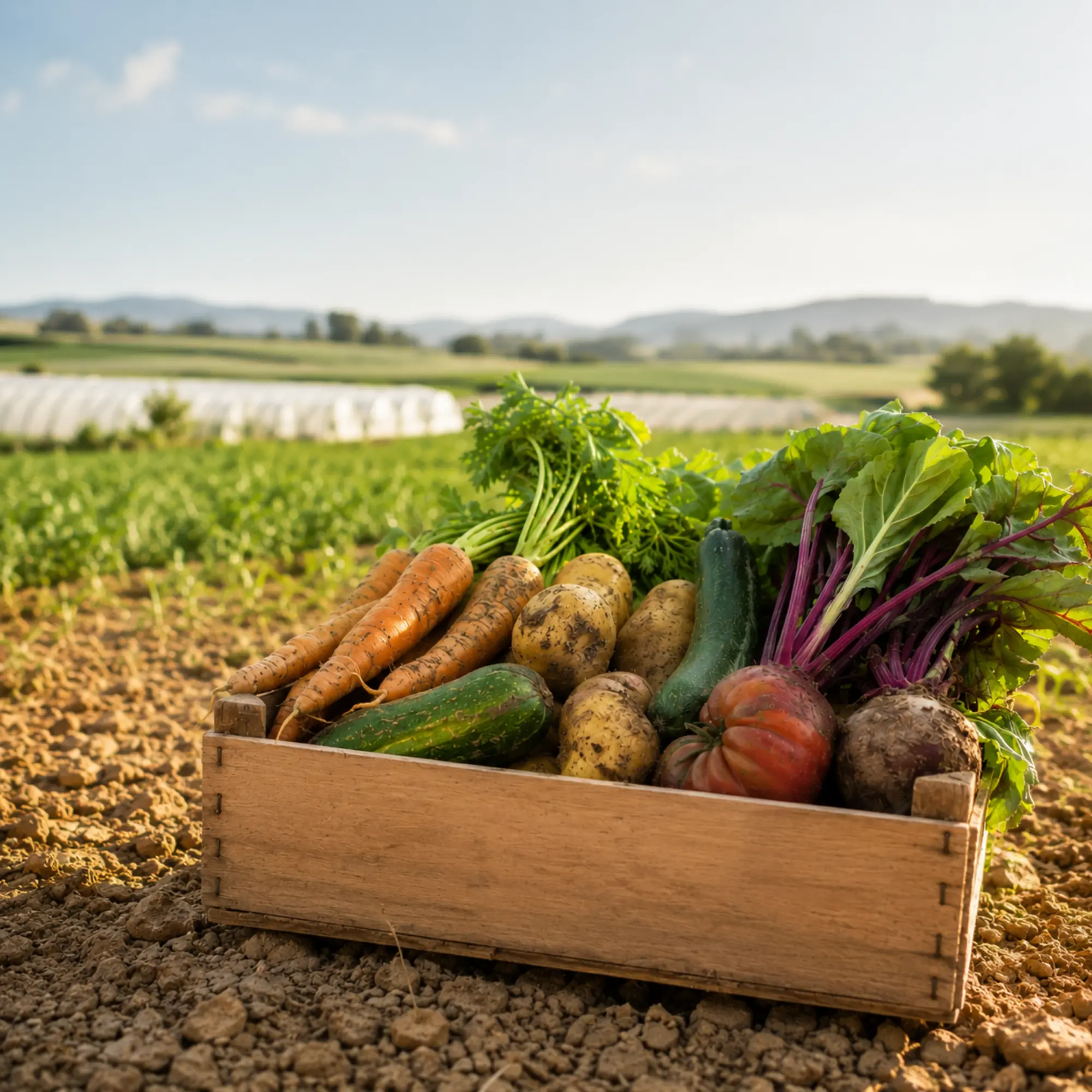
Less water, more work, sometimes smaller harvests… and naturally, questions about prices. But what's really going on behind our vegetables?
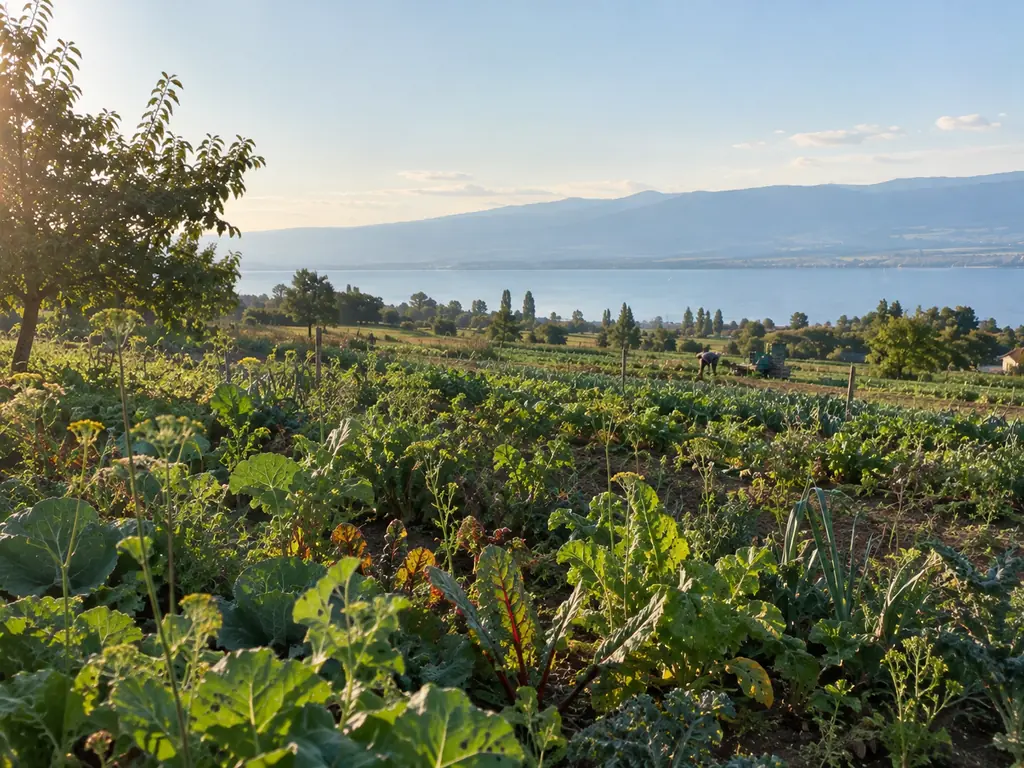
This summer, drought has settled in across Switzerland for the long haul. Since the beginning of June, rainfall has been scarce and heat waves keep rolling in one after another. The Swiss Farmers’ Union is now describing the situation as extreme drought, with significant consequences for many farms.
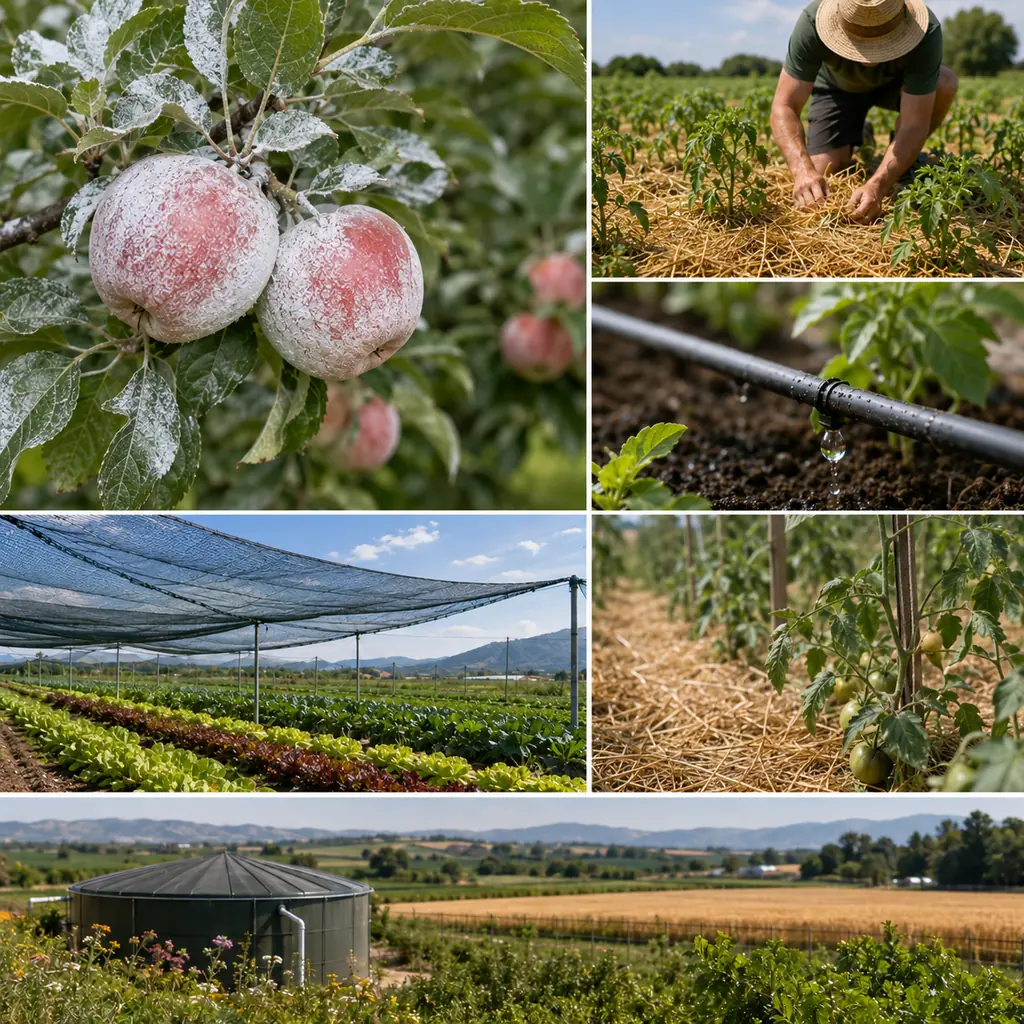
We’ve already shared here how producers are adapting to these conditions: irrigation, mulching, white clay, crop protection… But there’s another consequence, less visible in our fields yet very real for everyone: the cost of producing a vegetable can increase even as the quantity harvested decreases.
And sooner or later, this raises a pretty simple question: who pays the difference?
When producing costs more
Growing a vegetable isn’t just about planting a seed and waiting for it to grow—even if, from the comfort of our couch, that would certainly be convenient.
During drought periods, producers sometimes have to irrigate more, spend more time on certain crops, and accept lower yields. Bio Suisse is currently reporting significantly higher production costs for certain crops, particularly due to additional irrigation, as well as smaller sizes and reduced yields for vegetables, potatoes, and some fruits.
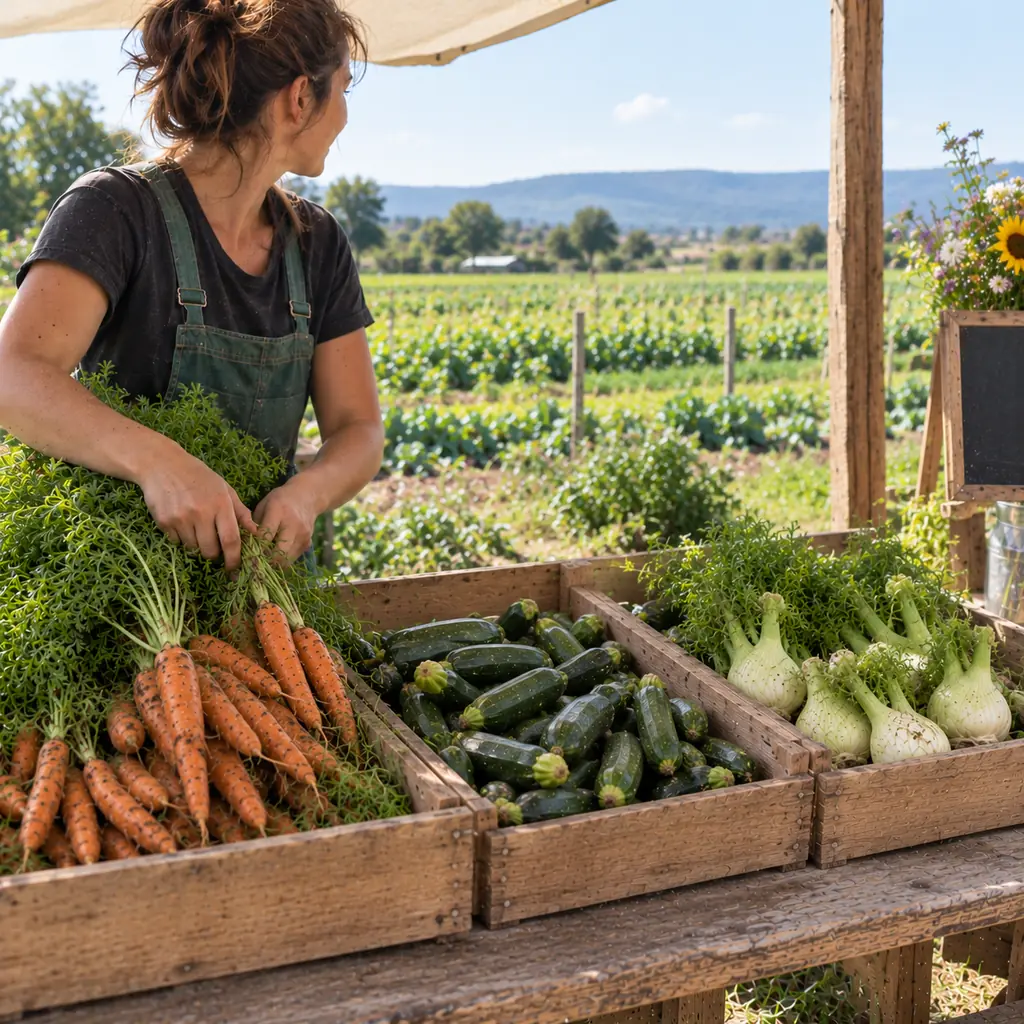
In practical terms, imagine a market gardener who had planned to harvest 1,000 kg of carrots.
If the weather reduces their harvest to 800 kg, but they still had to use just as much—or even more—labor, equipment, and water to produce them, each remaining kilo automatically costs them more.
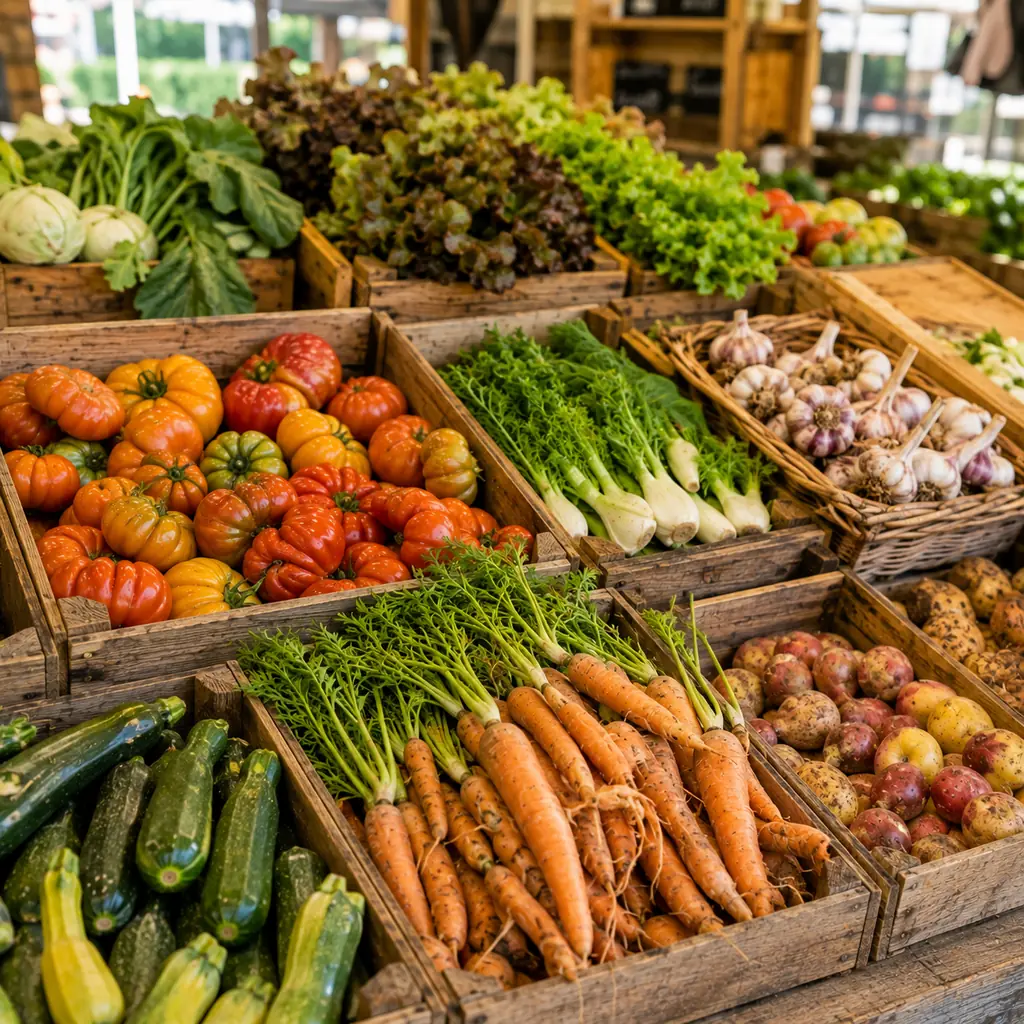
This is a reality quite far removed from what we see in a supermarket aisle. A carrot doesn’t wear a price tag showing the cost of the water used to grow it, the extra hours of irrigation, or the kilos that were never harvested.
So why can prices increase?
The price of a fruit or vegetable depends on many factors: production cost, available quantity, demand, season, imports, transportation, and how the supply chain works.
When supply drops significantly while demand remains steady, prices can rise. This is exactly the mechanism we’re currently seeing with certain agricultural products.
Bio Suisse reports, for example, that an initial increase in indicative carrot prices was decided this summer, amid persistent drought conditions.
The president of the Swiss Farmers’ Union, Markus Ritter, also believes that prices should rise if available quantities decrease enough in Switzerland and abroad. Potatoes are notably among the crops facing significant pressure this year.
This obviously doesn’t mean that all fruits and vegetables will increase in the same way, or that every price change is directly linked to the weather. But it helps us understand something important: the price of a vegetable isn’t independent from what’s happening in the field.
And at UglyFruits, why don’t prices change every week?
This is where our approach differs a bit.
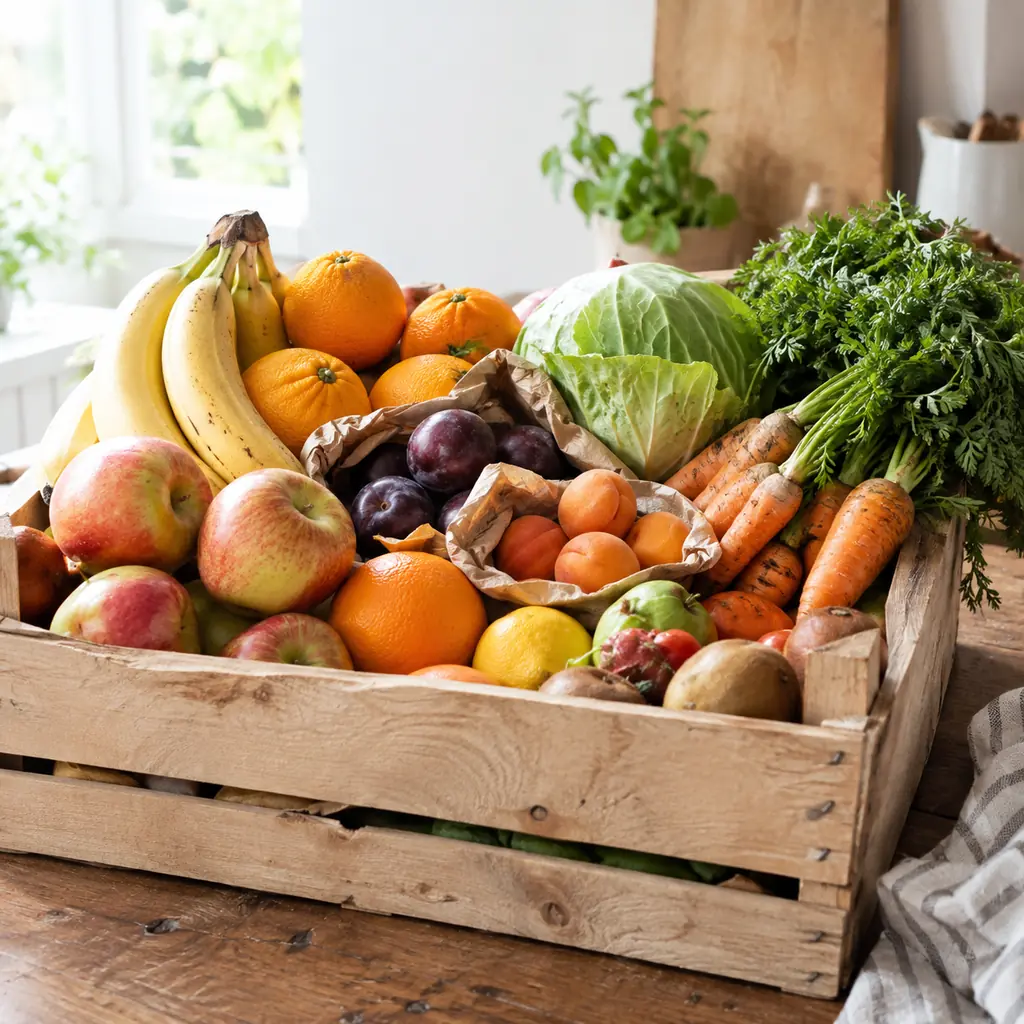
At UglyFruits, we’ve chosen to offer a stable price for our baskets throughout the year, rather than passing on every cost or availability fluctuation to our customers.
Why?
Because we believe a basket of vegetables shouldn’t turn into a mini stock market every week.
A week of drought? + CHF X.
A particularly generous harvest? - CHF Y.
A carrot that decided to put in overtime? + CHF 0.20.
We prefer a simpler, more predictable system for everyone.
This also means that UglyFruits doesn’t renegotiate prices for each product every week with its producers based on momentary fluctuations. We work with our partners in an ongoing business relationship, with prices set within a clear framework.
This stability matters to us, but it also matters to the producers.
A stable price doesn’t mean costs are stable
This is an important distinction.
The price you pay for your basket can stay the same while, behind the scenes, the agricultural context is changing.
If irrigation costs more, if a harvest is smaller, or if certain products become harder to source, we absorb some of these variations in our operations rather than automatically passing them on to each basket.
This is part of our business model and the relationship we want to build with our partner producers.
Conversely, when conditions are favorable and a harvest is particularly abundant, we don’t automatically lower the basket price either.
Why? Because we don’t want to treat producers as a variable to be adjusted.
A more predictable relationship with producers
This way of working has another advantage: it allows us to build a lasting relationship.
Our producers know we’re there to buy their fruits and vegetables, week after week, including when harvests are less “perfect” or when sizes are more irregular.
And this is particularly important in a year like 2026.
Because when the weather puts crops through the wringer, producers don’t just need to sell the best-looking vegetables from a harvest. They need to be able to find value for as much as possible of what they managed to grow.
This is precisely where our approach to non-standard fruits and vegetables makes all the difference.
Not wasting when every harvest counts
A vegetable that’s smaller, larger, twisted, or simply different from the usual standards didn’t require less water, less sun, or less work to grow.
And when farming conditions are tough, it would be pretty ironic to produce under greater constraints only to then discard part of the harvest simply because it doesn’t meet certain aesthetic or size criteria.
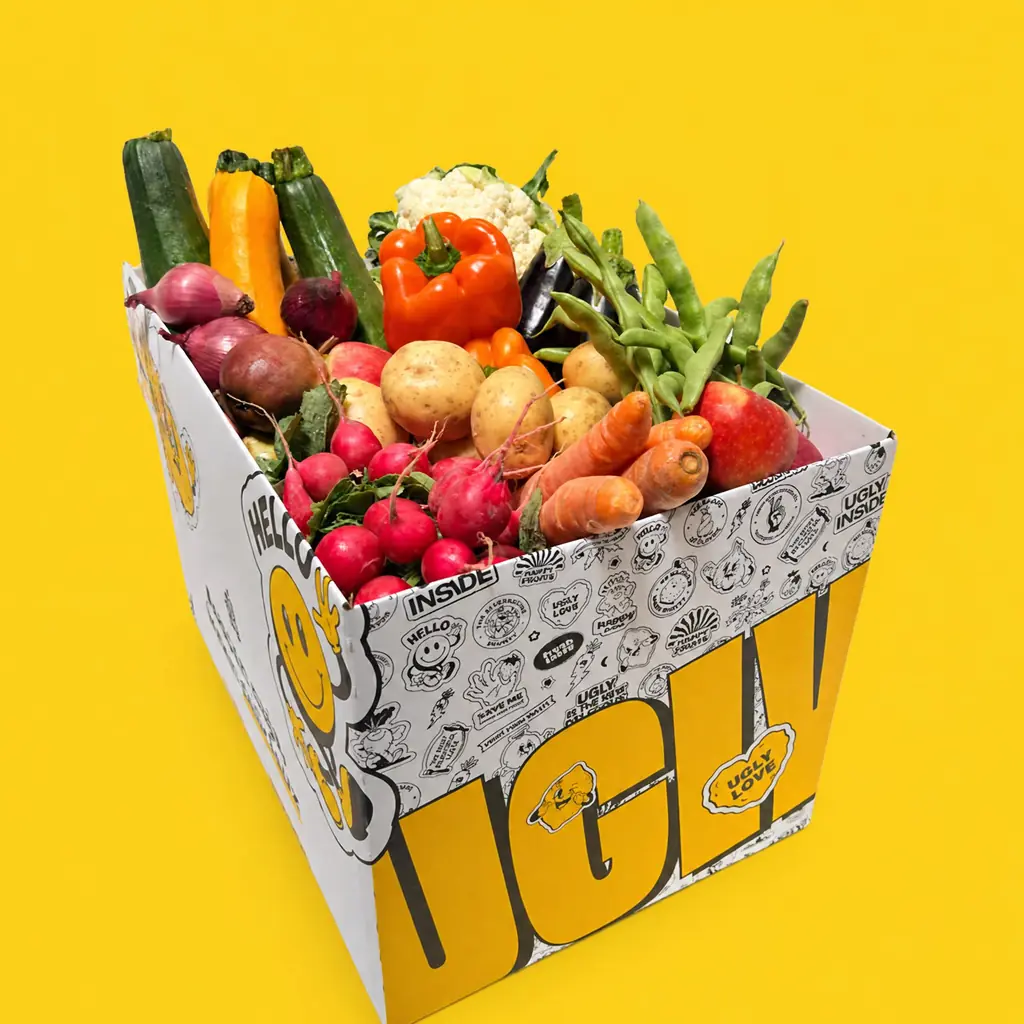
At UglyFruits, we choose to give value to these 100% organic, non-standard fruits and vegetables from our partner producers.
Not because they’re “better” just because they’re ugly.
But because they’re perfectly good to eat.
And in farming, especially when conditions become more uncertain, every harvest that can find its way onto a plate deserves a chance.
Behind every price, there’s always a story
This year of drought ultimately reminds us of something we easily forget when we’re shopping: fruits and vegetables aren’t manufactured in a factory.
Their availability, size, appearance, and cost depend directly on what’s happening in the fields.
At UglyFruits, we’ve chosen not to pass every fluctuation directly onto your basket price. We prefer to work long-term with our producers, value their harvests in all their diversity, and accept that nature doesn’t always produce exactly what we had in mind.
Because a stable price doesn’t change the weather.
But a stable relationship with those who grow our vegetables can make a real difference.
And this year, more than ever, we’d rather be on the side of vegetables that grow… than on the side of price tags going haywire.