Can you really support producers just by doing your grocery shopping?
Yes. But not by magic. "Supporting producers" is an expression we hear a lot. But what does it actually mean? Buying local? Buying organic? Buying directly from the farm? Choosing seasonal products? Accepting non-standard vegetables? The answer obviously isn't just one right action. But our food choices can help create certain types of market opportunities and therefore add value to certain productions.
A producer needs customers… but also market opportunities
Producing is one thing. Selling what you’ve produced is another. A producer can grow a beautiful harvest and still face difficulties if their usual outlets can’t absorb the volumes or certain products.
That’s why diversifying food distribution channels is so valuable.
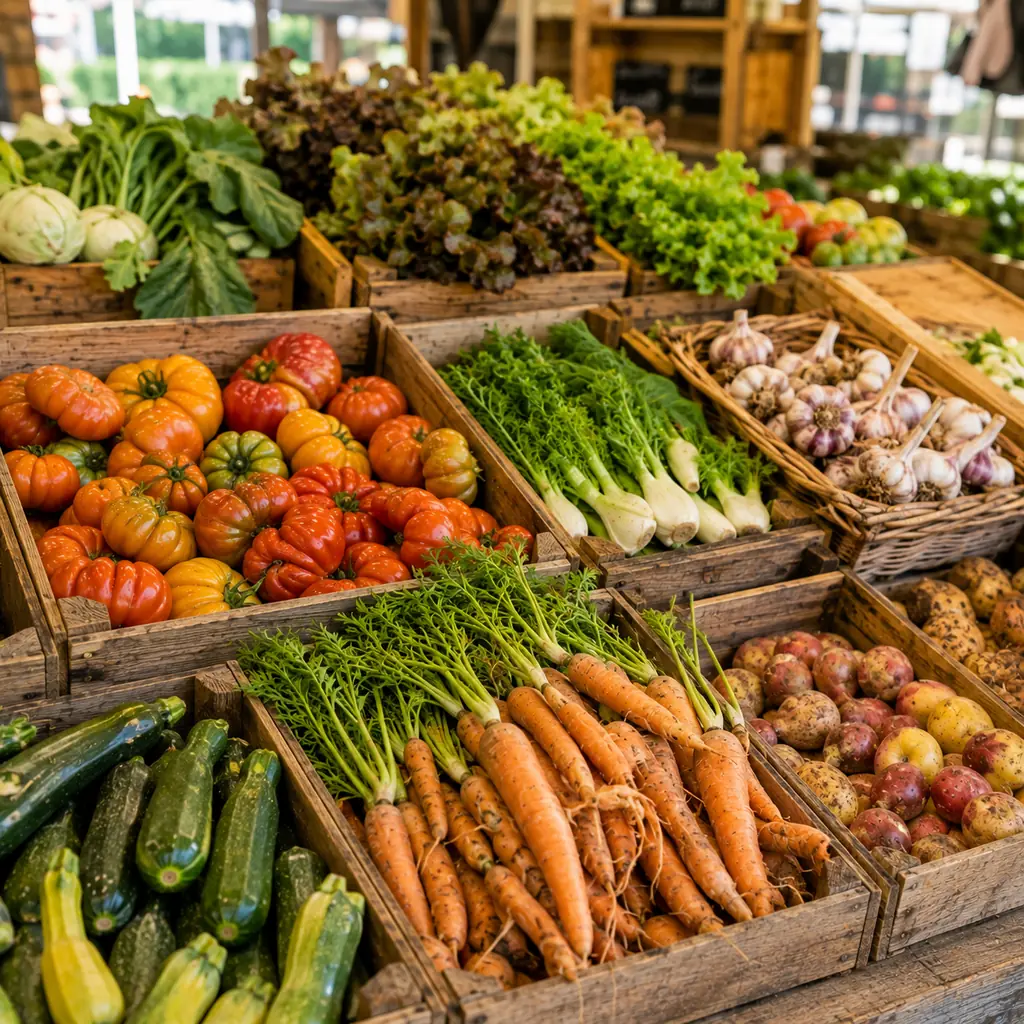
Depending on the situation, a producer can work with stores, restaurants, markets, processors, basket systems, or direct sales. Each channel meets different needs.
Buying differently can therefore help change demand.
This obviously doesn’t mean that each individual purchase will transform Swiss agriculture. But collectively, our habits influence which products find a market. If more consumers accept: • seasonal products; • different sizes; • less standardized fruits and vegetables; • more direct distribution channels; this can help expand the possibilities for adding value.
This is particularly important for products that don’t perfectly match the usual standards. Supporting a producer isn’t just about buying local Local is an interesting criterion, but it doesn’t tell the whole story.
When we want to consume more responsibly, it can also be useful to look at producer compensation, production conditions, the distribution model, the volumes actually sold, and the waste generated throughout the chain.
A local product that ultimately goes uneaten has lost much of its value. Conversely, providing an outlet for a product that’s already been grown can help better value the work that went into it. And what about food waste? It’s directly connected.
When we waste food, we’re not just wasting what ends up in our trash. We’re also wasting part of the work, resources, and energy needed to produce, harvest, prepare, and transport it.
That’s why reducing food waste is also a way to indirectly support agricultural work. Before looking to produce more, it might be worth asking how we can better use what already exists.
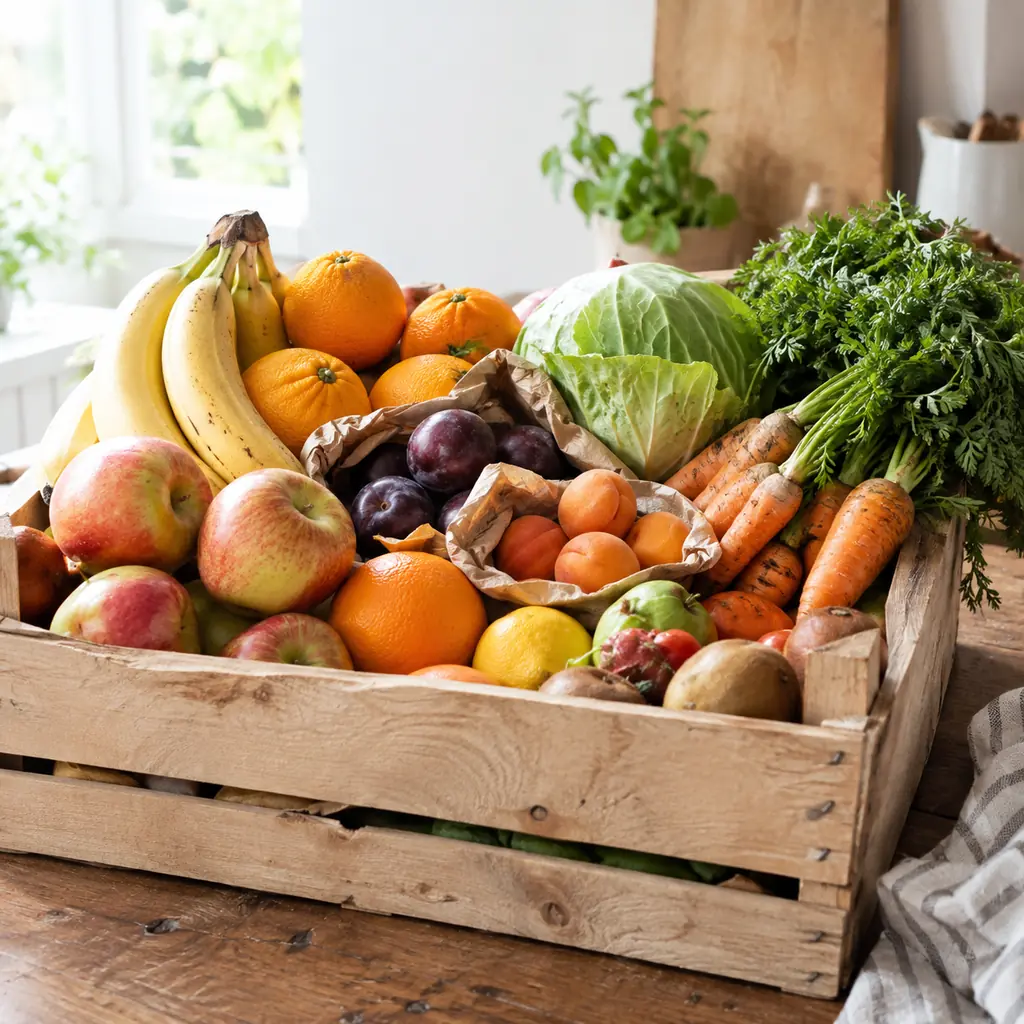
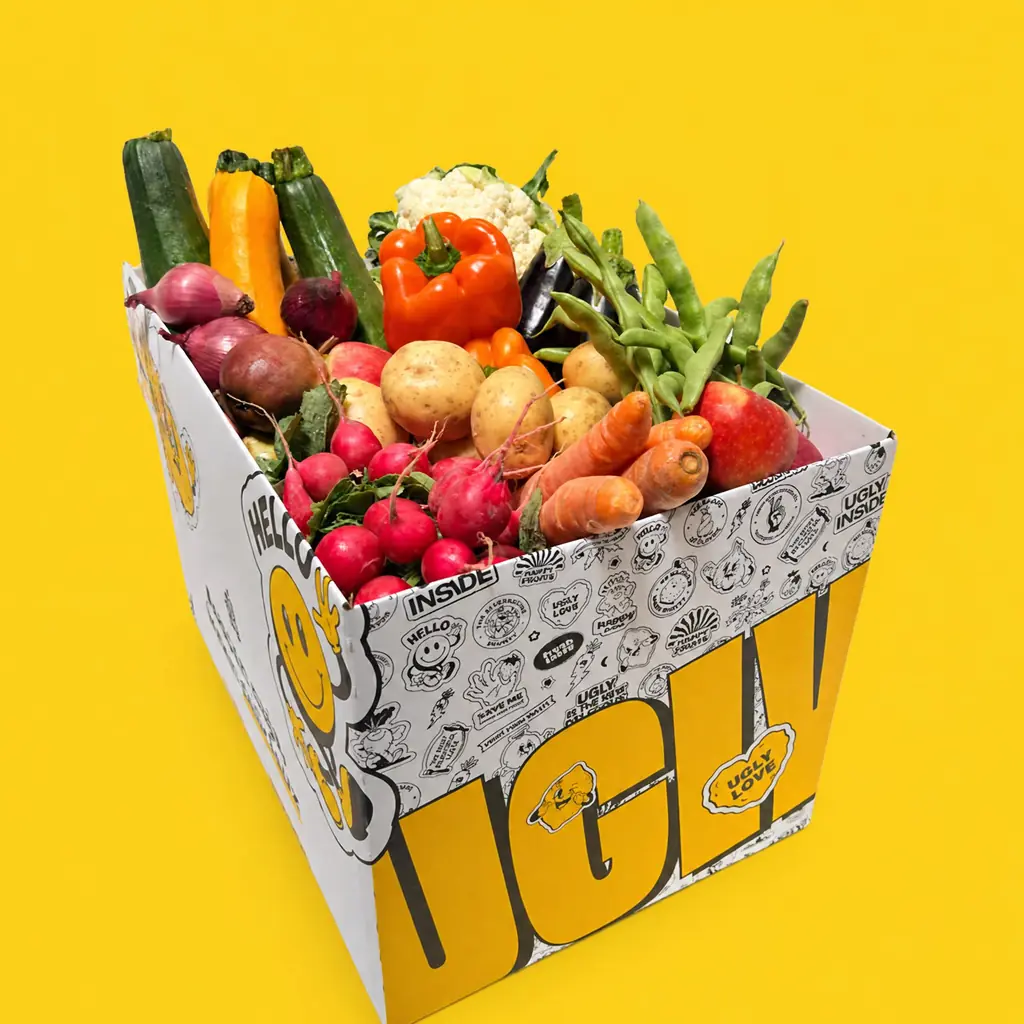
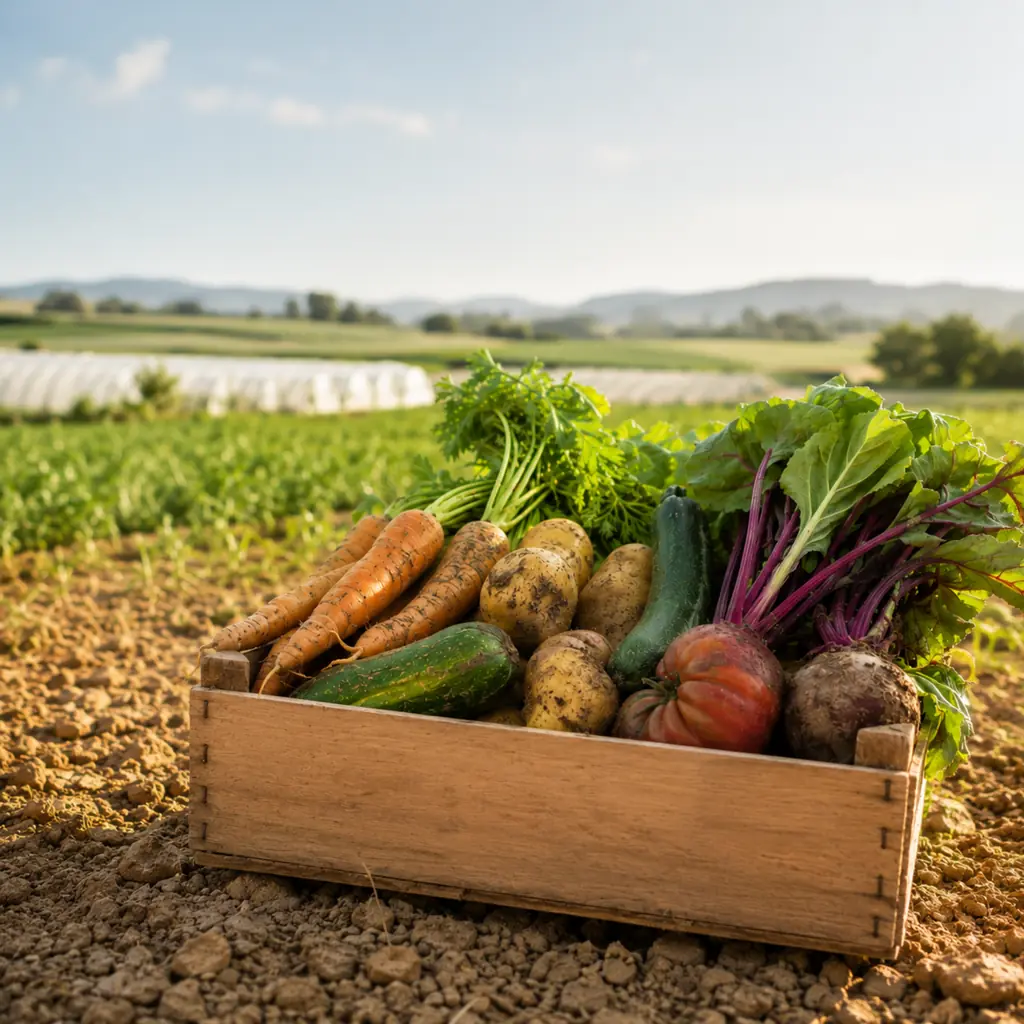
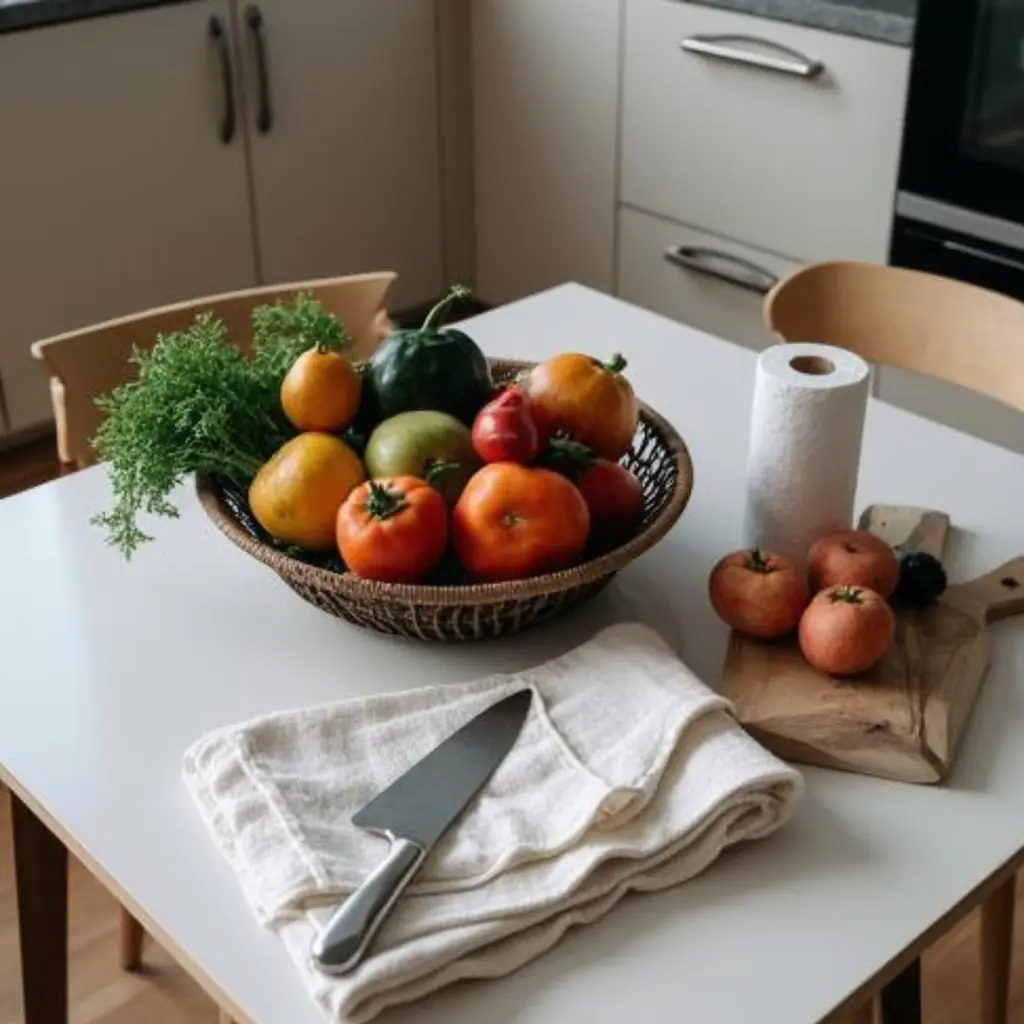
A crooked carrot, a smaller apple, or an oversized zucchini aren’t necessarily lower quality products. They’re simply different. And accepting this difference might seem like a small gesture. Yet it’s also a way of saying that a food’s value isn’t defined by its appearance.
How can you concretely support producers?
There’s no single way to do it. Depending on your possibilities, you can prioritize seasonal products, pay attention to their origin, choose channels that properly value agricultural work, accept more diversity in fruits and vegetables, and above all avoid wasting what you’ve bought. These are small choices. But multiplied by thousands of consumers, they can help shift demand.