Why producers can't just "slash prices" on their vegetables
When there's an abundant harvest, it's easy to imagine that lowering the price is all it takes to sell everything. In reality, it's a bit more complicated. "If there's too much, why not just sell them cheaper?" The question seems logical. When a producer harvests lots of zucchini, carrots, or tomatoes, you'd think a small price drop would simply move the surplus. After all, isn't it better to sell for less than not sell at all?
Not necessarily. Because a vegetable coming out of the ground isn’t yet a product ready to be sold. Between the field and our plate, there’s a whole chain of work, costs, and constraints. And when a harvest is particularly abundant, these realities become even more visible.
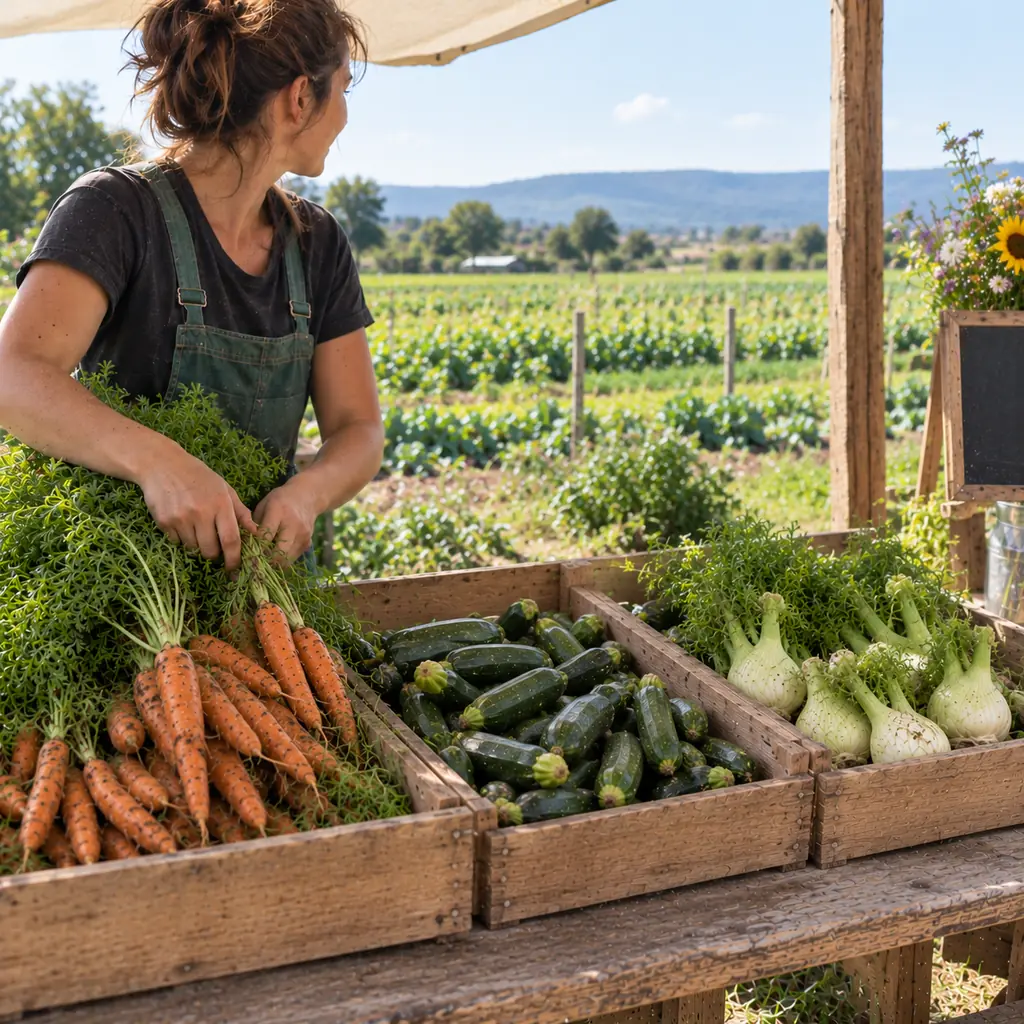
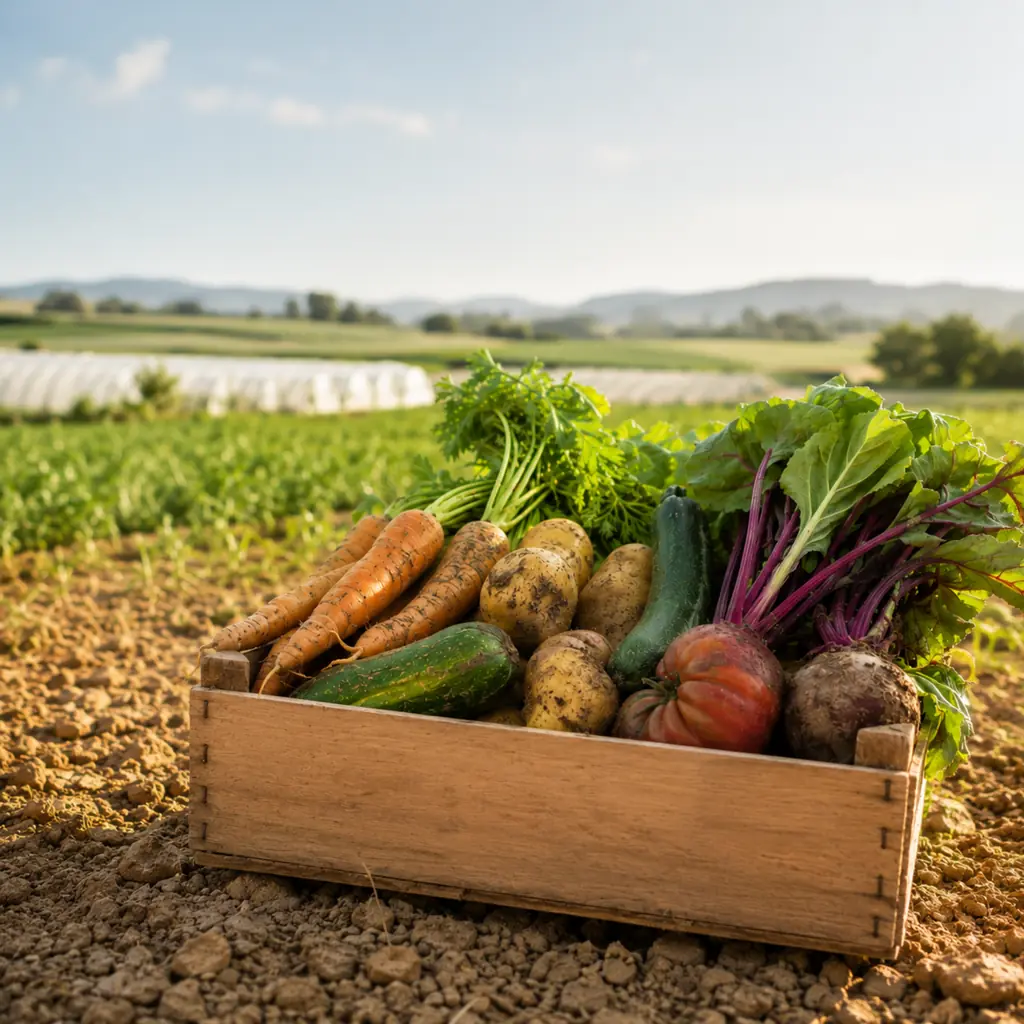
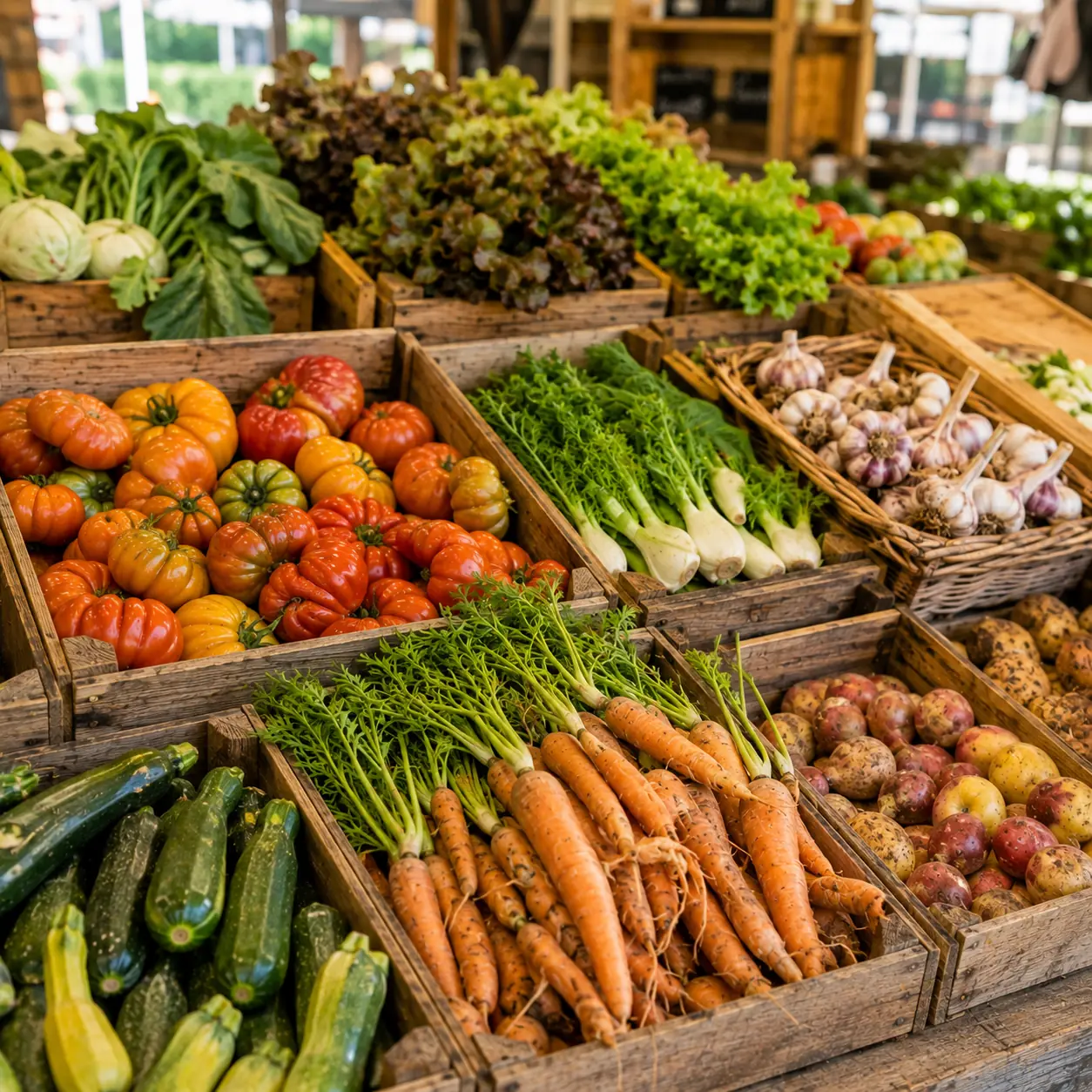
A vegetable growing in a field isn’t yet a product to sell Let’s take a carrot. Before it’s even harvested, the producer has had to prepare the plot, buy seeds, sow, maintain the crop, and deal with weather conditions. Then comes the harvest, which also requires time, labor, and equipment. But the work doesn’t stop there.
Depending on the sales channel, the carrots will need to be sorted, possibly washed, packaged, stored, and transported. Behind a simple kilogram of vegetables, there’s a whole series of steps and costs:
- Agricultural work and harvesting;
- Seeds, equipment, and infrastructure;
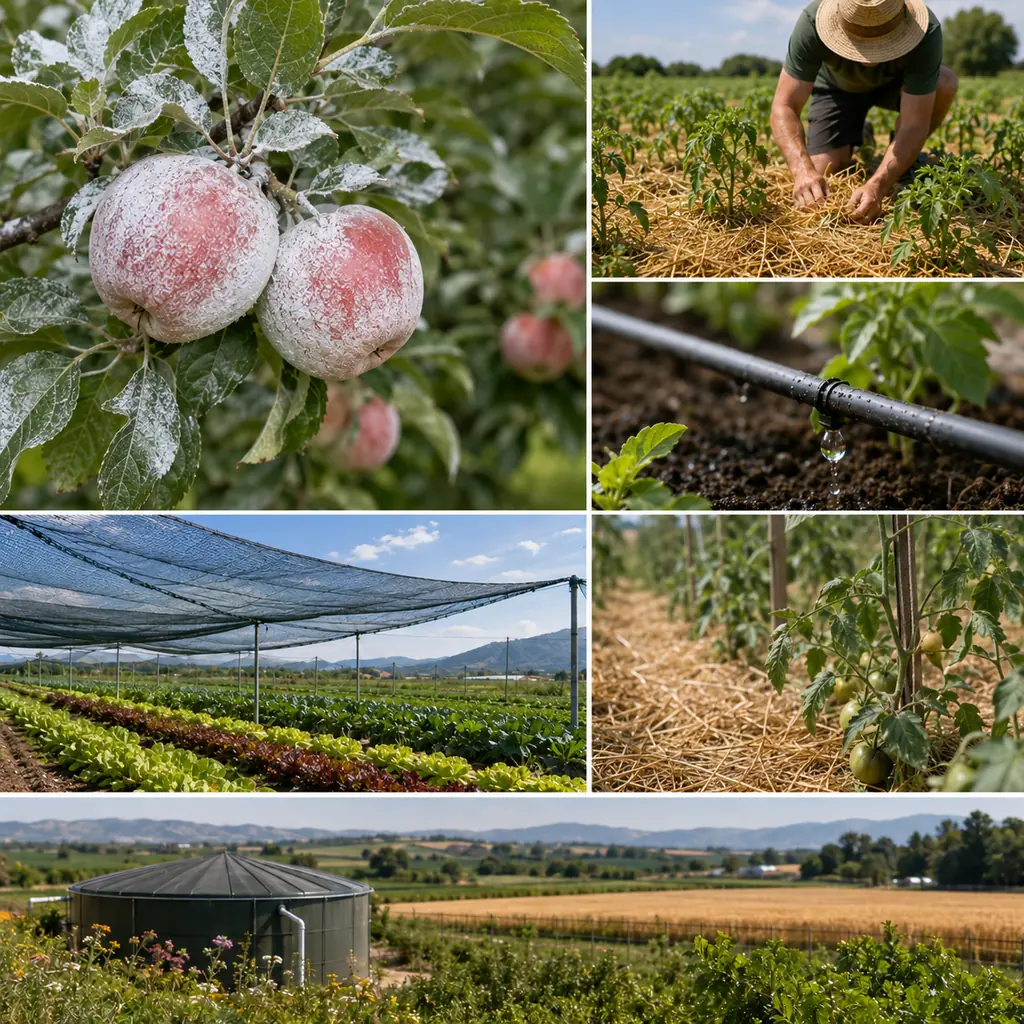
- Water and energy needed for production and preservation;
- Sorting, packaging, storage, and transport.
A significant part of a vegetable’s value is built well before it arrives in your kitchen. An agricultural surplus isn’t a free product Let’s imagine a market gardener harvests far more zucchini than expected this year. On paper, that’s good news: they have more vegetables to sell. But they also need to find more buyers. And if their usual outlets can’t absorb this extra quantity, the problem remains. A price drop can sometimes speed up sales, but it doesn’t necessarily create enough demand. And if the price falls below what’s needed to cover production and marketing costs, the producer doesn’t solve their problem: they simply turn a hard-to-sell harvest into a financial loss. Producing more doesn’t automatically mean earning more.
This is one of those realities of agriculture that can be hard to grasp: the producer doesn’t fully control how much they harvest, nor always the demand when their products are ready. The real challenge: finding other outlets
When a fruit or vegetable doesn’t meet a buyer’s criteria, it doesn’t necessarily mean it’s bad or unusable.
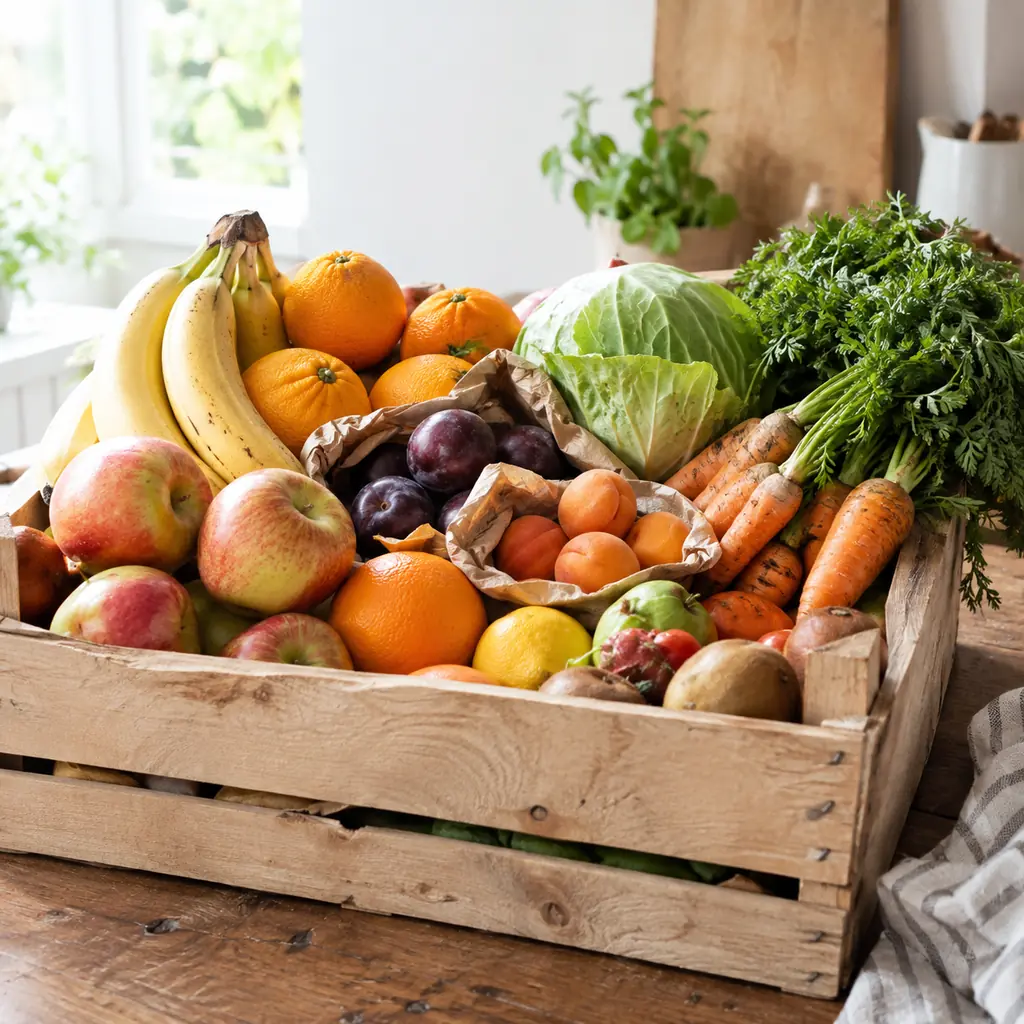
This is particularly relevant for non-standard fruits and vegetables. A carrot can be crooked, an apple smaller, or a zucchini particularly large while still being perfectly good. Commercial sizing and food quality are two different things.
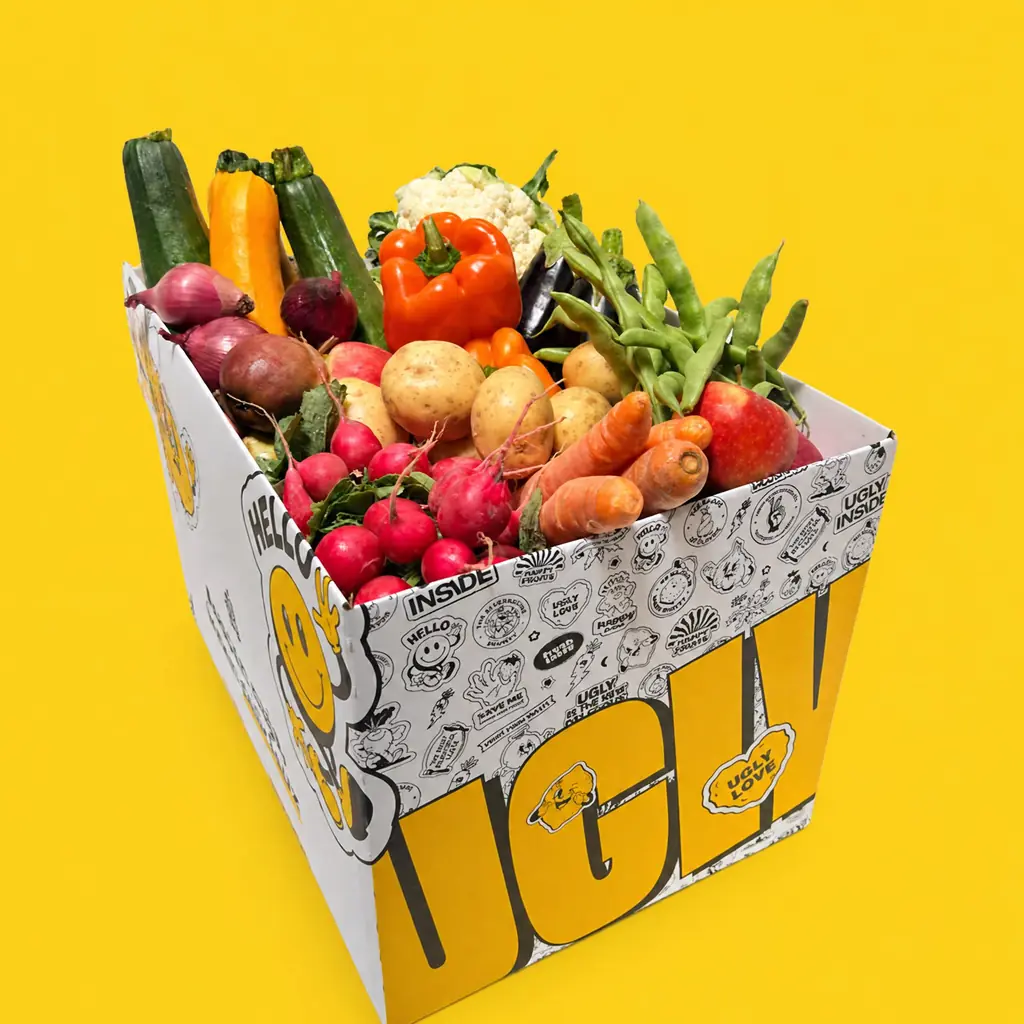
UglyFruits is looking for another way out. This is precisely where our approach comes in. We’re not looking for “lower quality” vegetables or products nobody wants. We’re looking for organic fruits and vegetables that can be perfectly good while being different from products usually selected for their size or appearance. A carrot can be crooked. An apple can be small. A zucchini can be particularly large. A batch can have very different sizes. This doesn’t necessarily diminish their food quality. It simply means they don’t always fit the same sales channel. Fighting food waste isn’t just about asking consumers to throw away less. It’s also about rethinking how products can be valued before they even reach our kitchens. And that’s our small contribution: creating an additional outlet for some of these products. Because a carrot that doesn’t fit into a perfectly calibrated box doesn’t necessarily need to be sold at a loss.