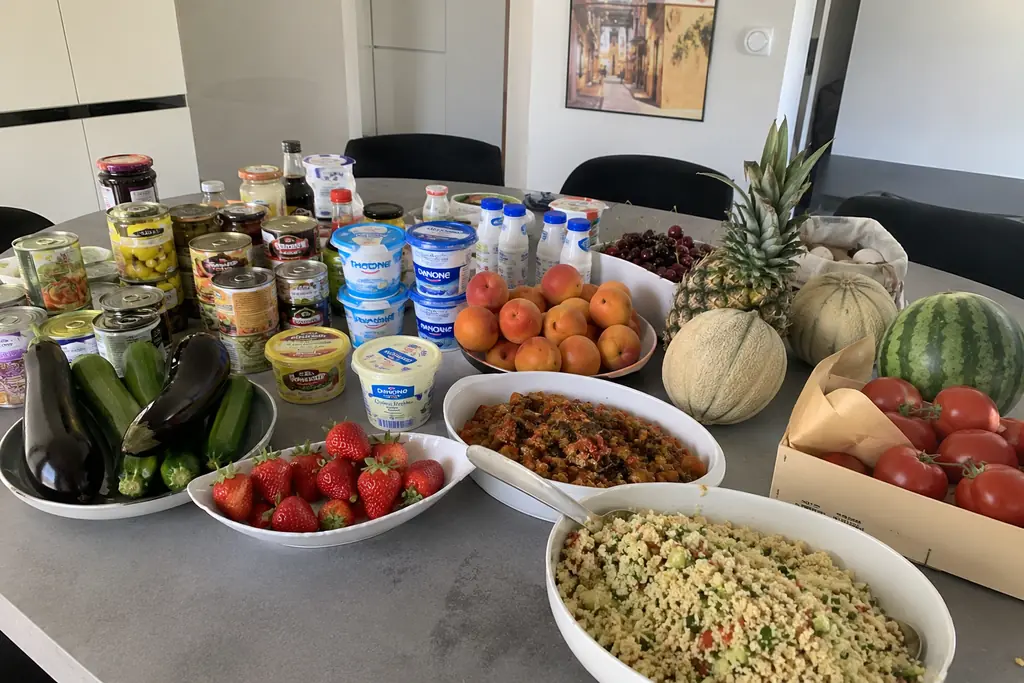
World Food Day: innovating to feed tomorrow
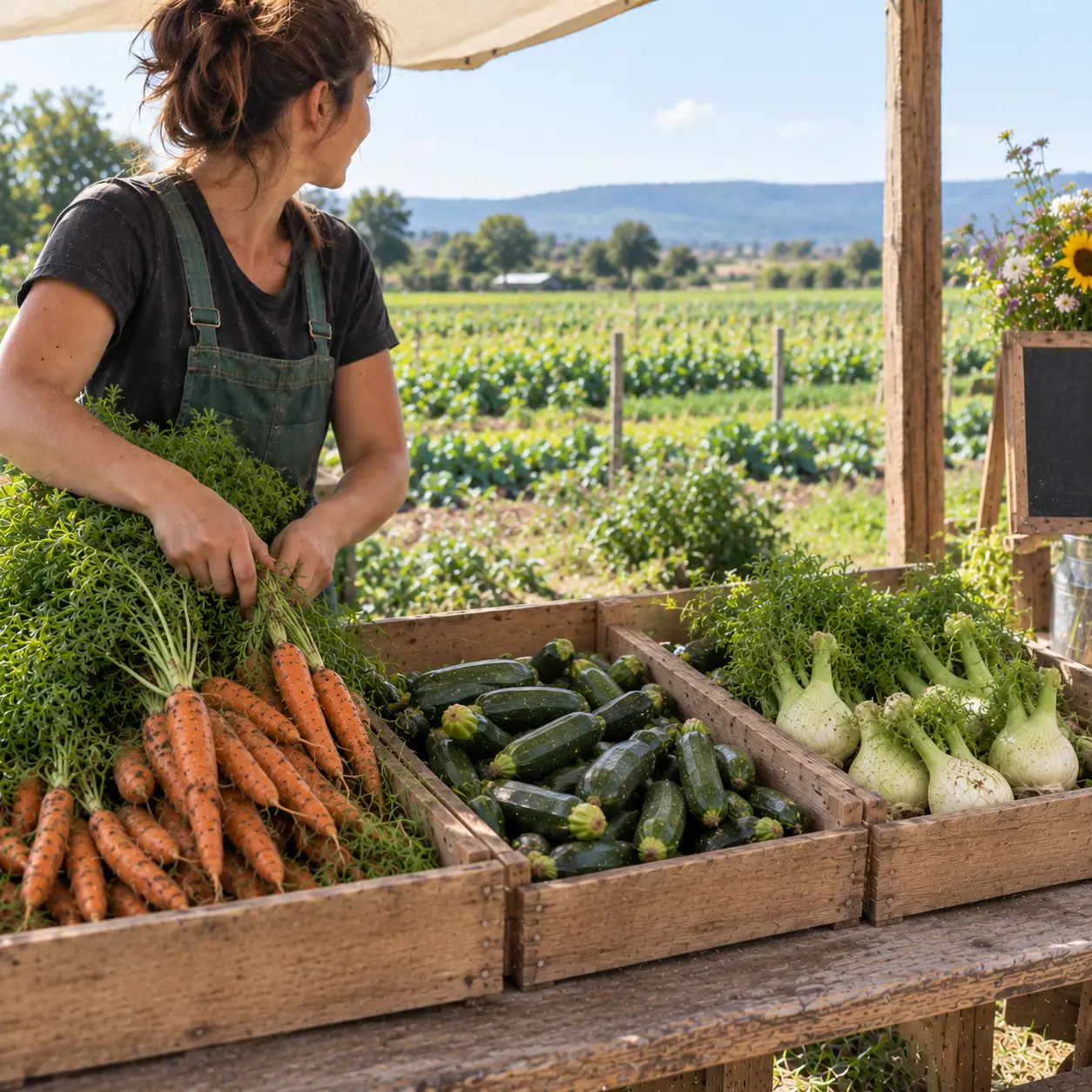
On October 16, the whole world celebrated food. We raised a toast with a crooked zucchini. Here's a look back at a day that speaks to us, with a few numbers, and what each of us can do about it
One day, one theme: “Innovate today to feed tomorrow”
Every October 16, World Food Day marks the founding of the FAO in 1945. It’s celebrated in over 150 countries to raise awareness about global hunger and encourage concrete actions toward a more sustainable food future.
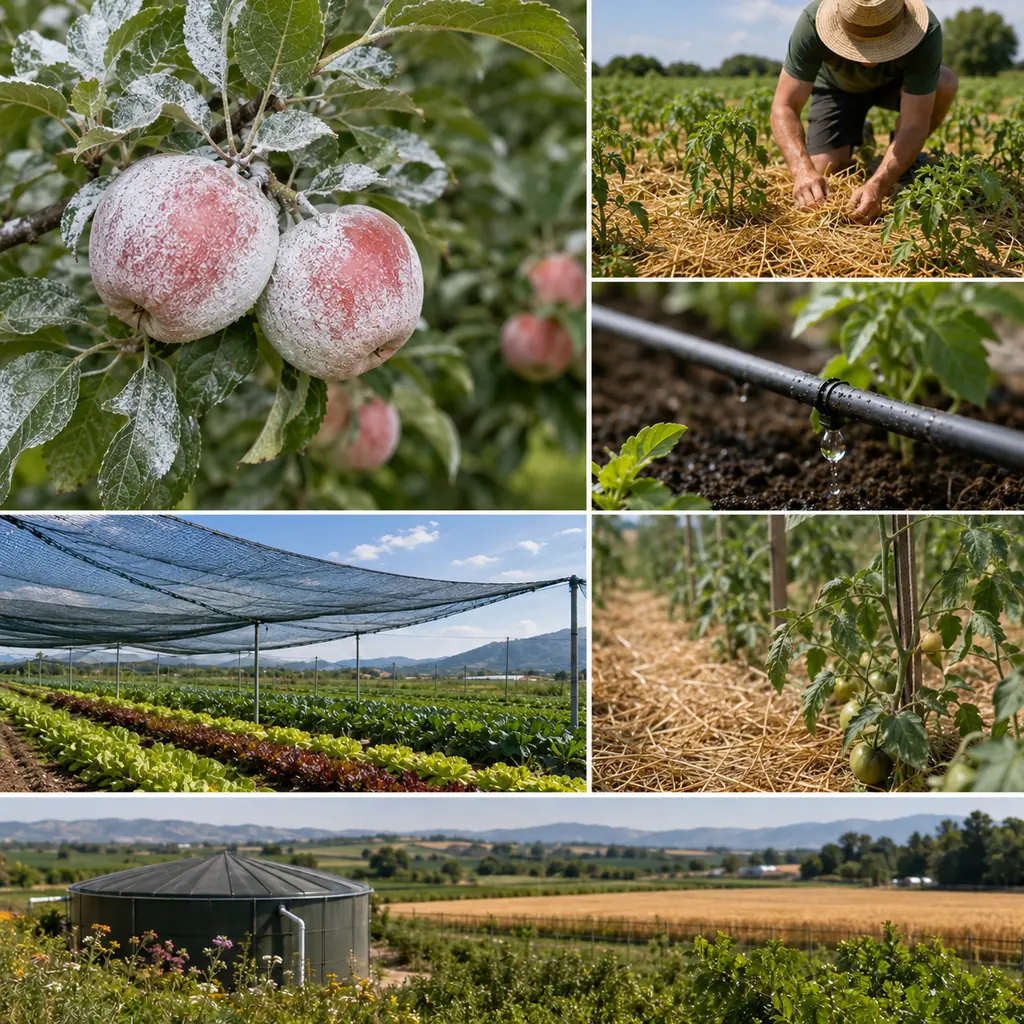
The 2026 theme is “Innovate today to feed tomorrow.” It calls for mobilizing science, technology, and innovation, but also traditional knowledge, to build sustainable agri-food systems. And innovation doesn’t always need a laboratory: sometimes, it’s simply about looking differently at what’s already in front of us.
Numbers that give you food for thought
A few benchmarks to set the scene.
Globally. According to the FAO, over 13% of food is lost after harvest, before even reaching retail, and 19% is still wasted in stores and households. In total, these losses and waste account for 8 to 10% of global greenhouse gas emissions. Fruits and vegetables, being fragile produce, are on the front line: the FAO reported losses of 22% in 2019, compared to 9% for grains and legumes.
In Switzerland. According to the Federal Office for the Environment (FOEN), Swiss consumption generates around 2.8 million tons of food losses each year, or nearly 310 kg of avoidable losses per person. Good news: we were at 330 kg in 2017. But that’s nothing to brag about, since the federal government’s goal is to cut these losses in half by 2030. A quarter of our food system’s environmental footprint comes from these avoidable losses.
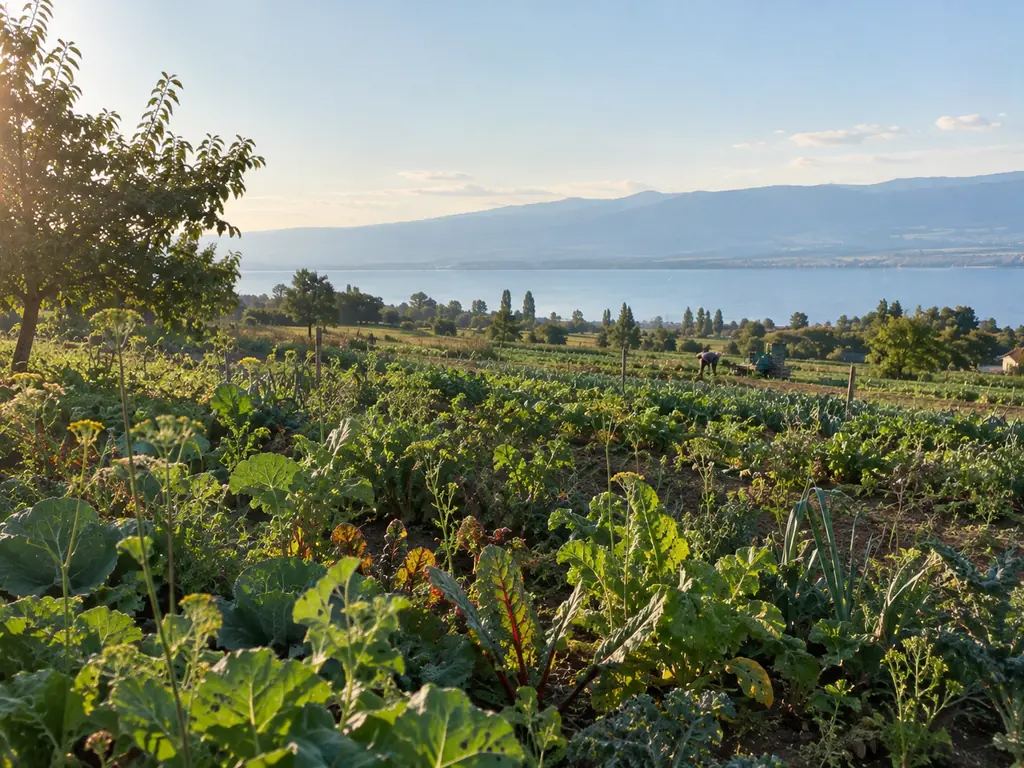
Part of this waste happens very early, in the fields, when perfectly good fruits and vegetables are rejected because of their size or appearance.
What if innovation also meant eating “ugly” vegetables?
The FAO reminds us in its action guidelines: everyone can choose nutritious foods, waste less, and take care of natural resources and biodiversity. The message is crystal clear, and it doesn’t require a revolution in our kitchens.
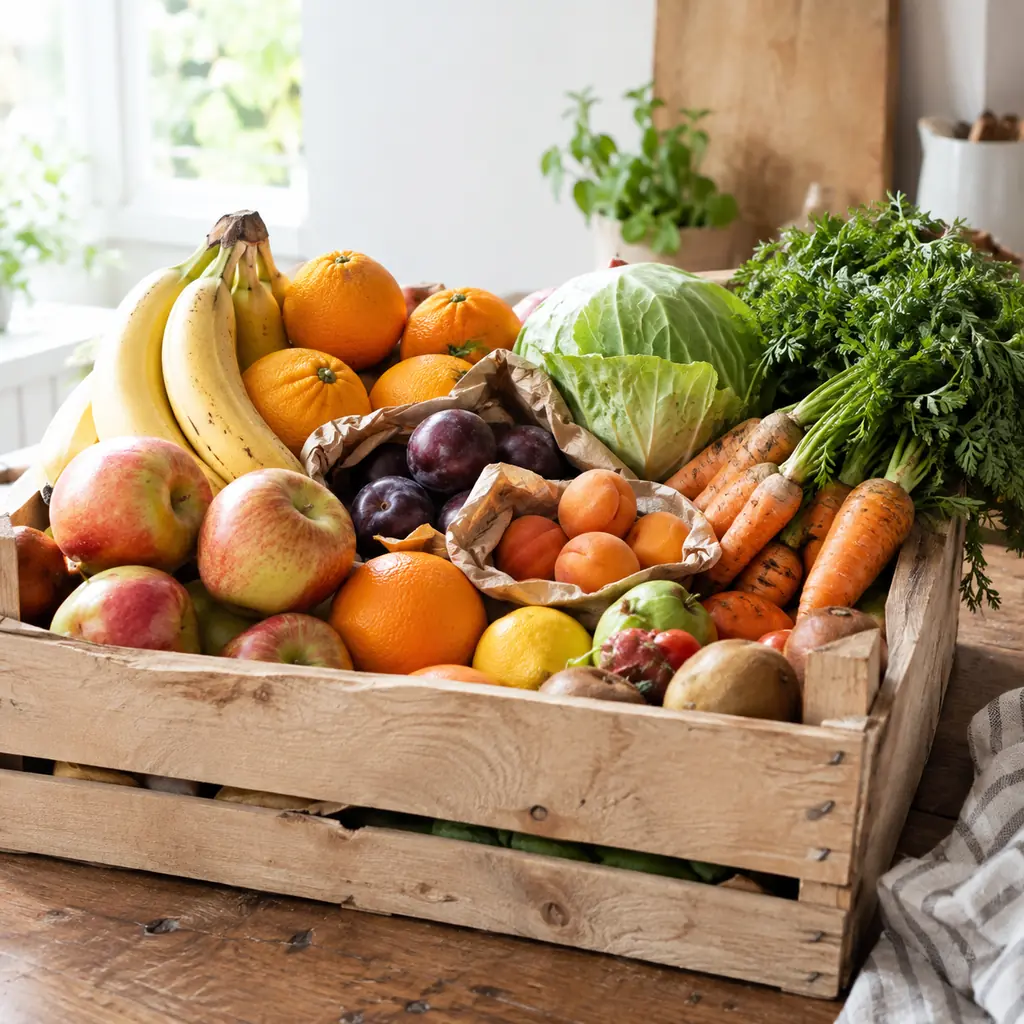
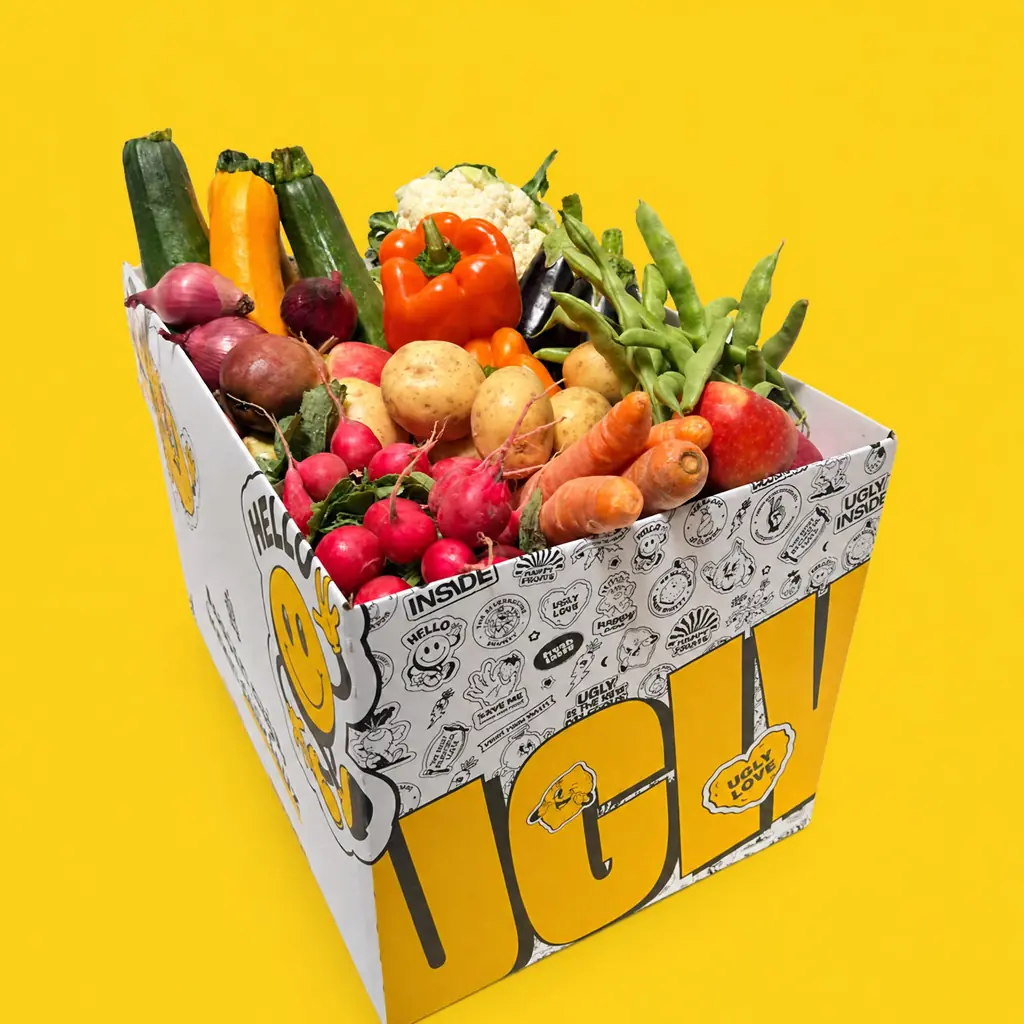
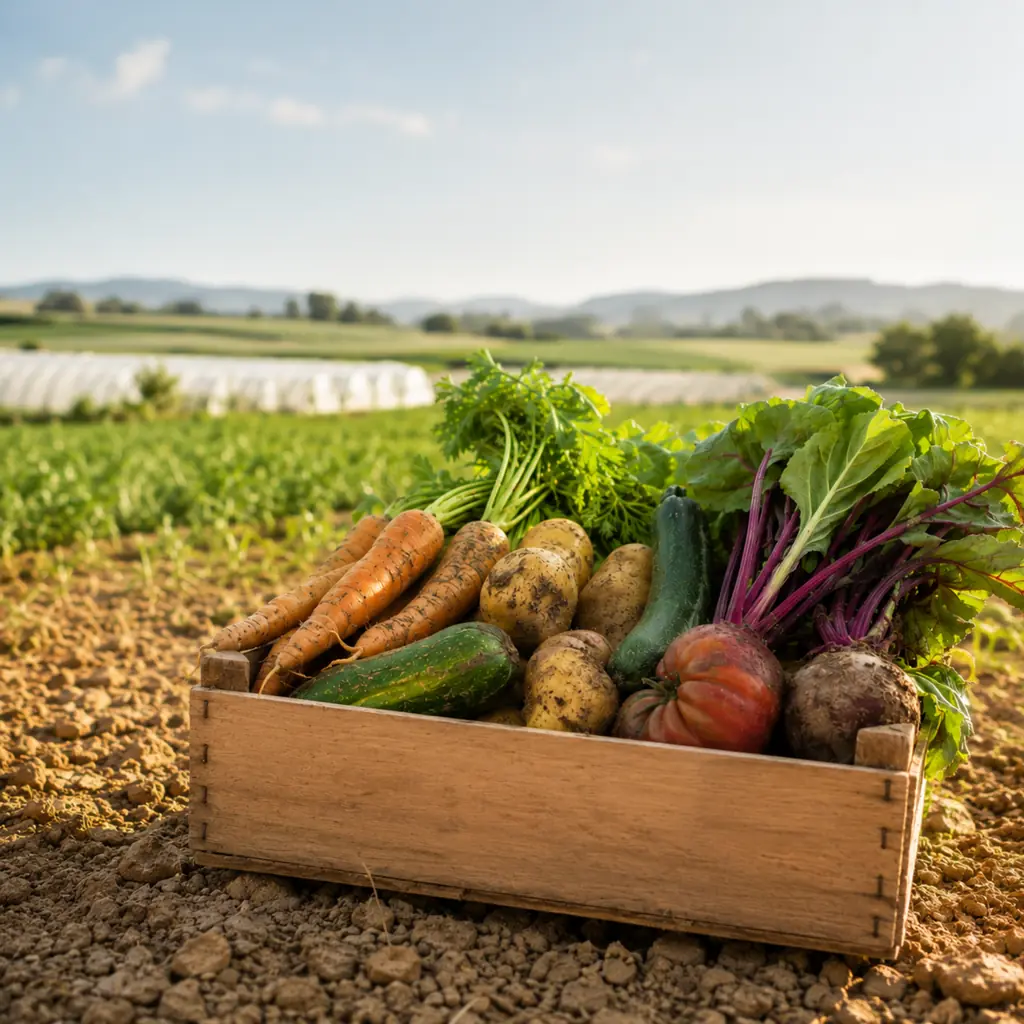
That’s precisely where UglyFruits stepped in. Since 2018, we’ve been offering baskets of organic, local fruits and vegetables that don’t meet the aesthetic standards of mainstream retail, with the same great taste and the same vitamin content. Our idea isn’t revolutionary. It’s actually pretty simple: if it’s good, we take it.
Short supply chains: common sense that’s (too) often overlooked
Shortening the path from producer to plate is also a way to feed tomorrow:
- For producers: the entire harvest is valued, including tomatoes that are round, oval, or square.
- For you: fresh products, harvested in the morning at the producer’s and quickly delivered to you, without spending weeks in cold storage.
- For the planet: optimized packaging and limited transportation.
- And if our baskets include imported products (between 10 and 20% depending on the season…especially during transitional seasons), these products are imported through our Swiss producers so they also benefit from these imports, while ensuring the expected traceability and quality.
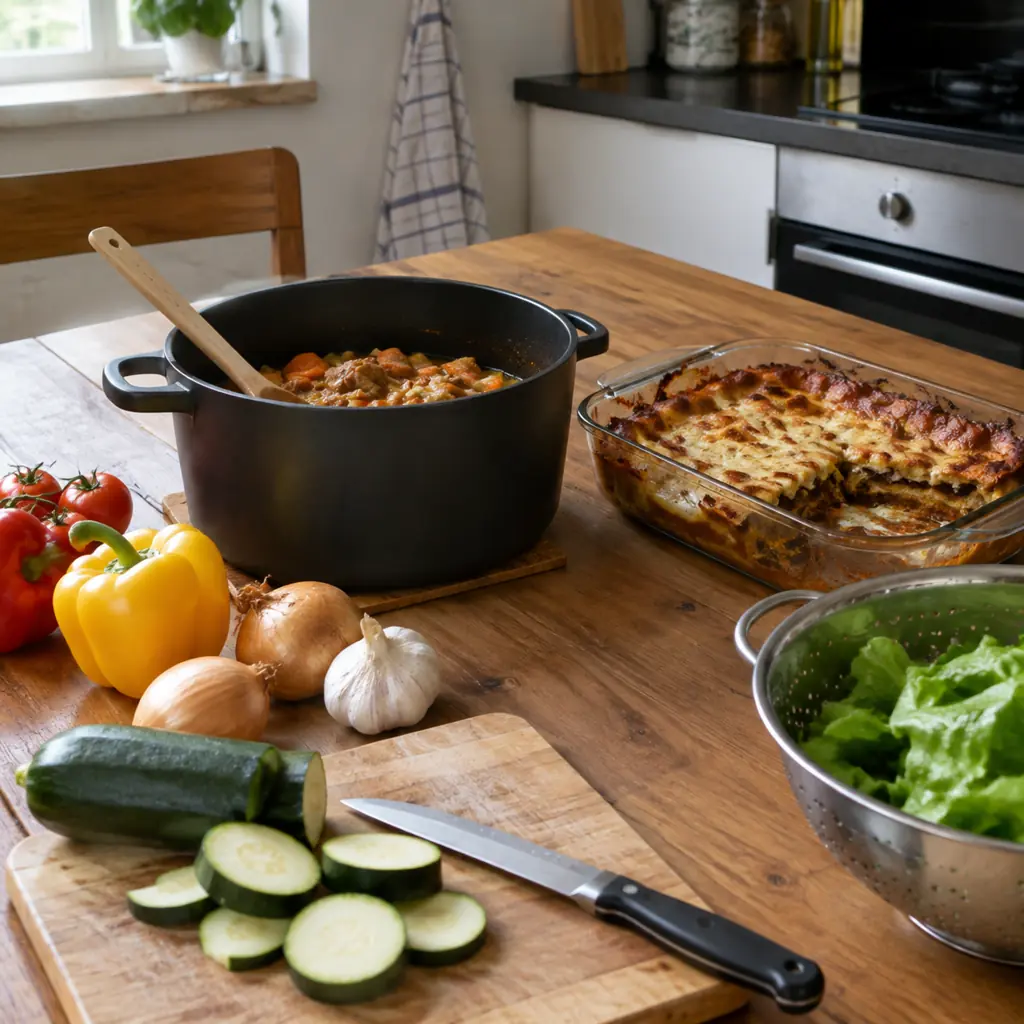
No big speeches, just concrete action, with a bit of character in the basket. And if your zucchini looks like it pulled an all-nighter, it’ll still make an excellent soup. Promise.
We’re not the only ones (and that’s a good thing)
Let’s be honest: UglyFruits won’t feed the world on its own. But the FAO says it itself, collective action can bring positive change. There are a thousand ways to get involved, and they complement each other:
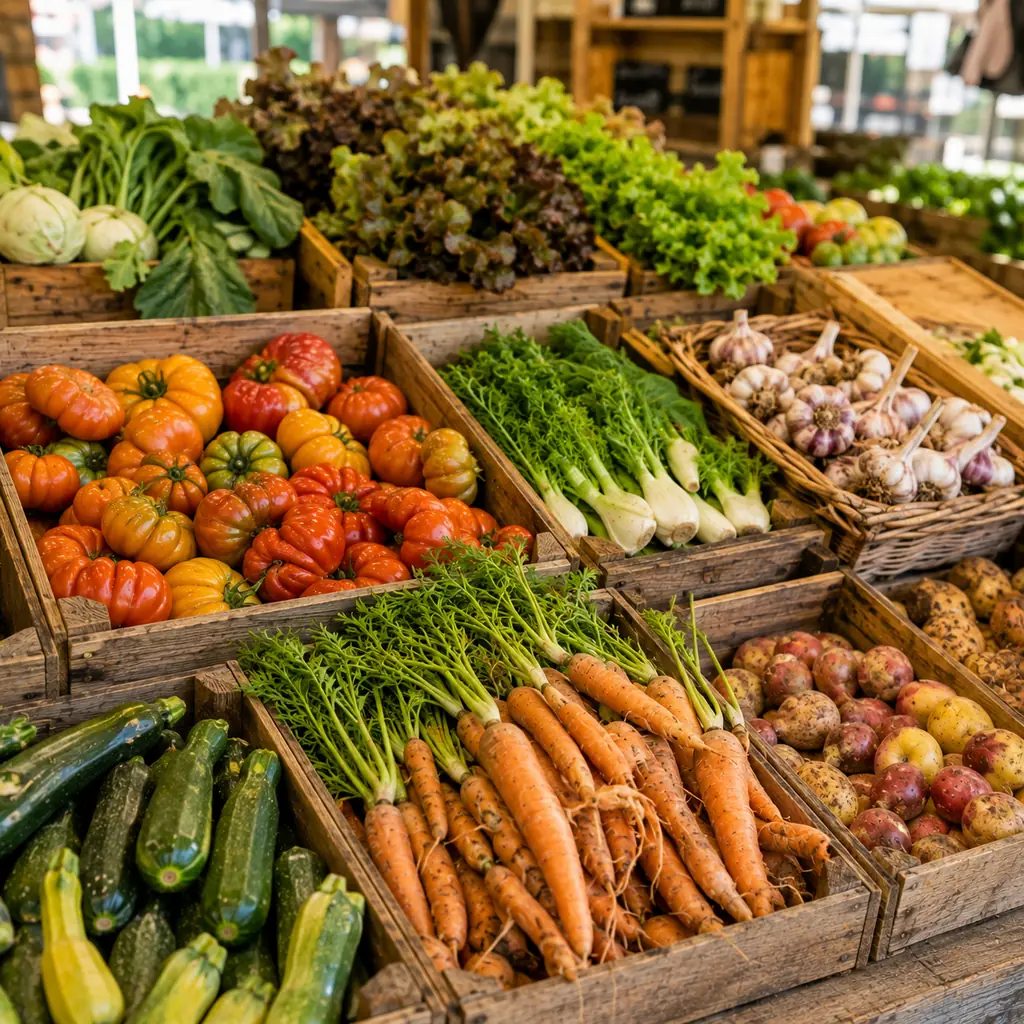
- shop at the market or a local cooperative grocery store;
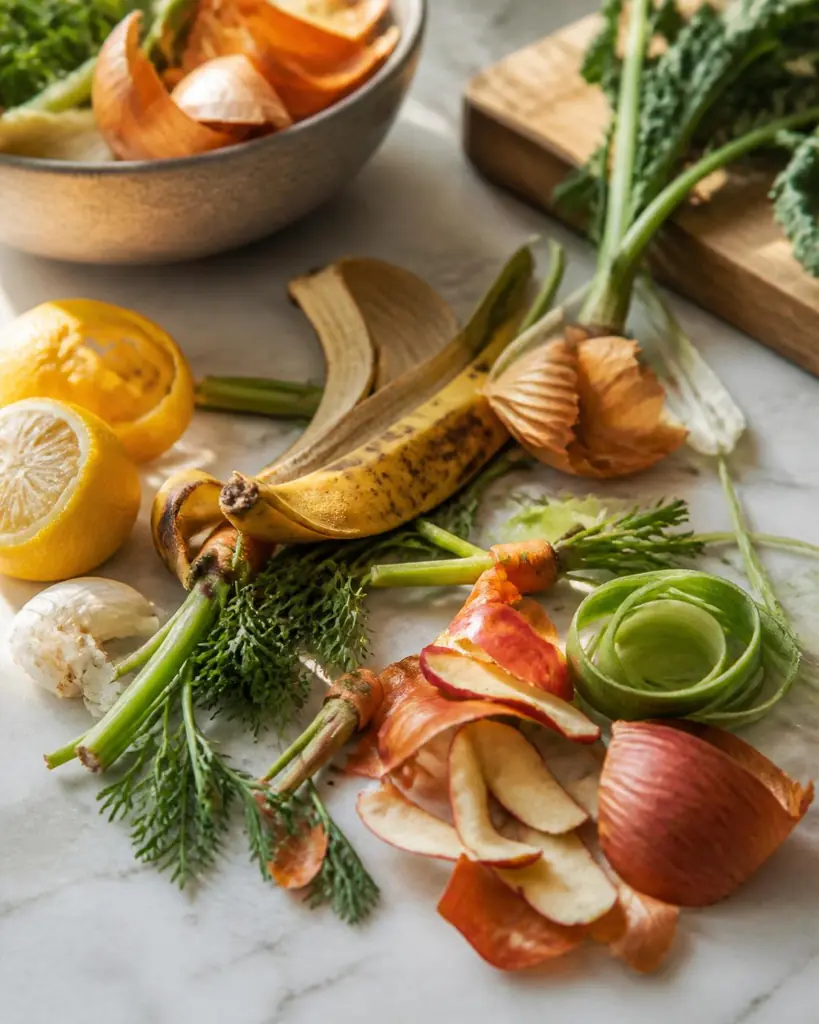
- plan your meals and proudly cook your leftovers;
- support anti-food waste initiatives near you;
- or welcome a basket of slightly imperfect fruits and vegetables into your kitchen.
Everyone chooses their entry point. The important thing is to take the first step.
A world day is useful for stepping back and looking at the bigger picture. But it’s in our everyday choices that the future of our food is shaped: what we buy, where it comes from, and what we find beautiful. At UglyFruits, we’ve made our choice: an apple with character tastes just as good.
Sources
- FAO, World Food Day 2026: fao.org/world-food-day
- FAO, Director-General’s statement on the International Day of Awareness of Food Loss and Waste (13% / 19% / 8–10% of emissions)
- FAO, The State of Food Security and Agriculture report 2019 (22% losses on fruits and vegetables, 9% on grains)
- FOEN, “Food losses”: bafu.admin.ch/fr/pertes-alimentaires (ZHAW 2025 data: 2.8 million tons, 310 kg/person)