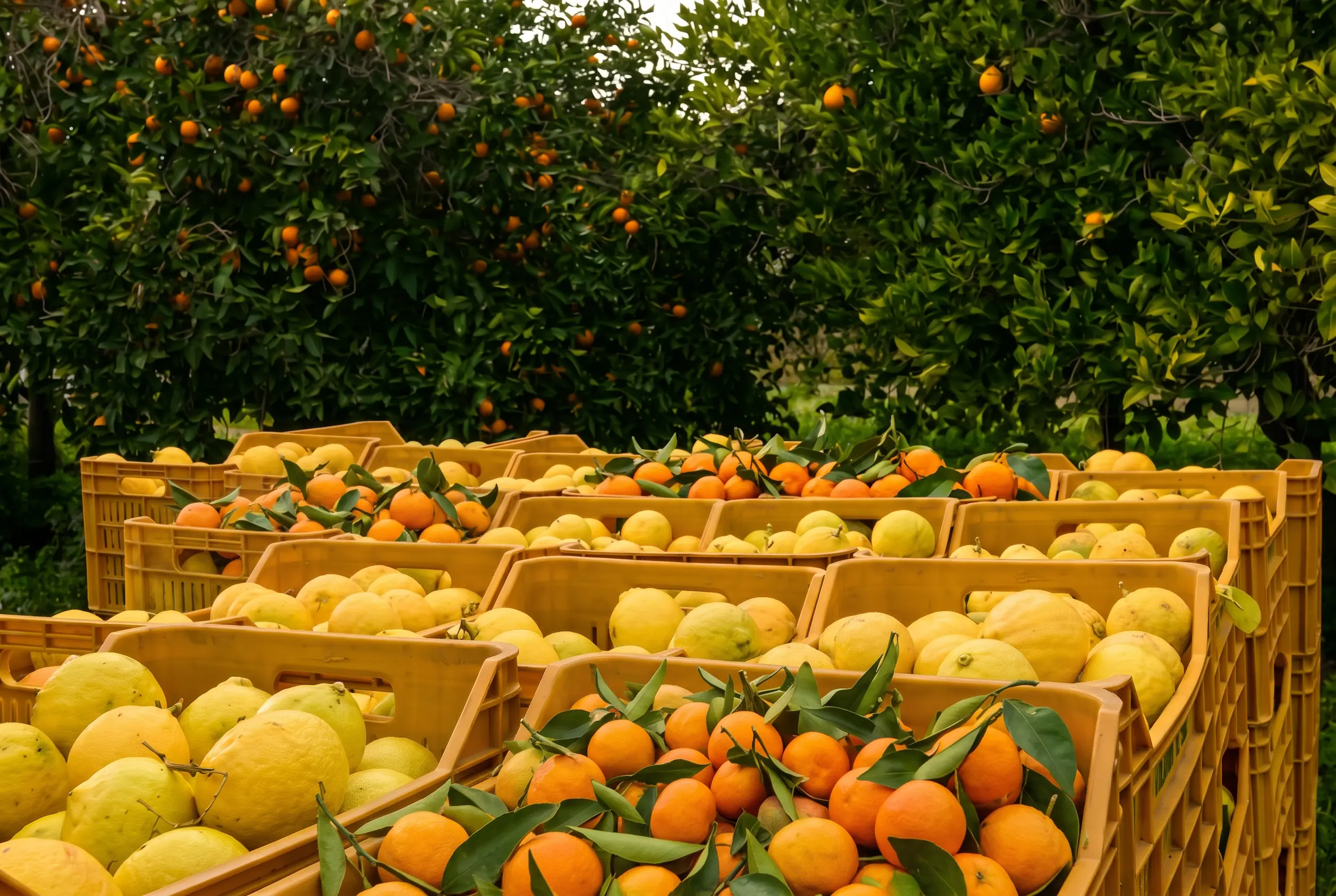
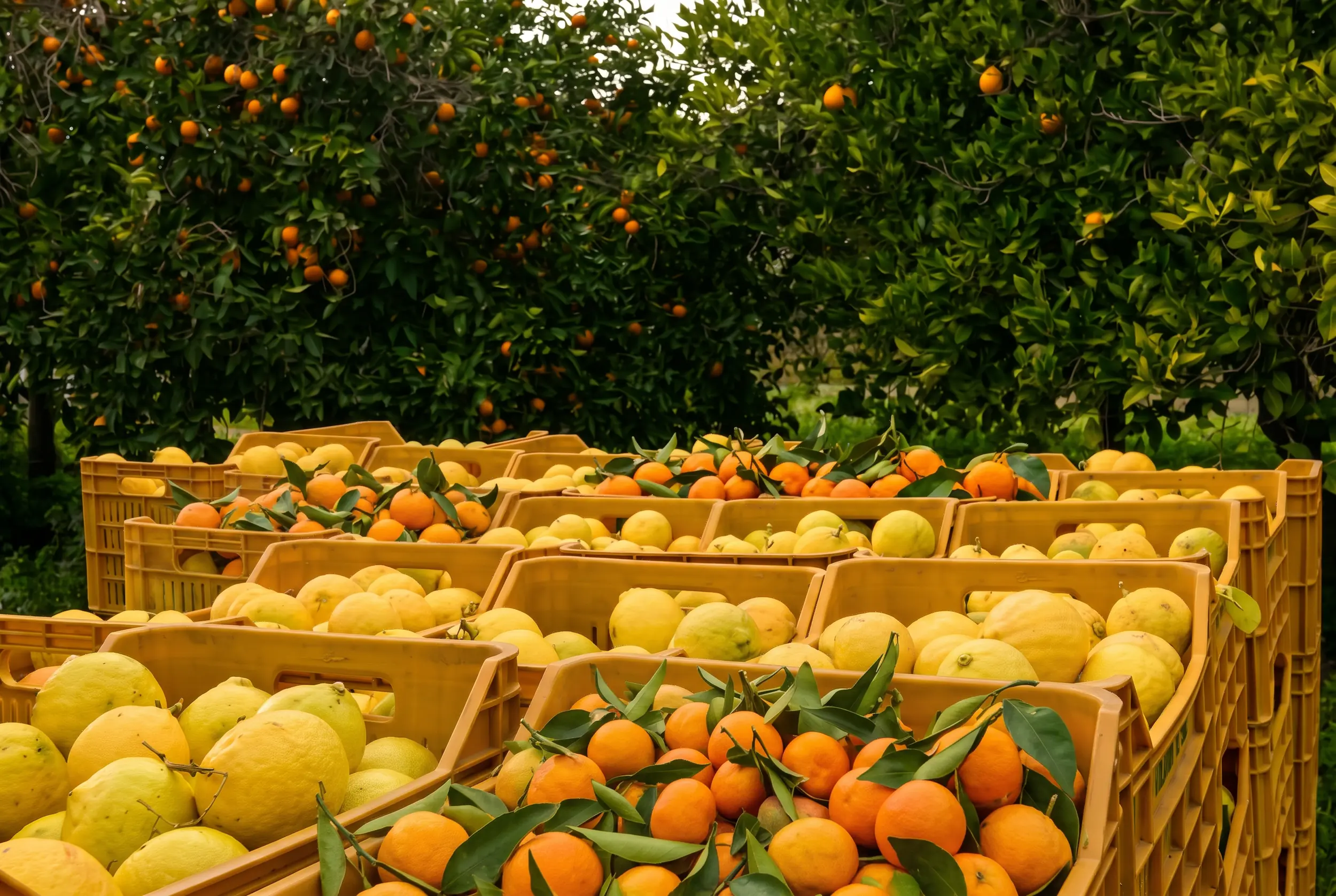
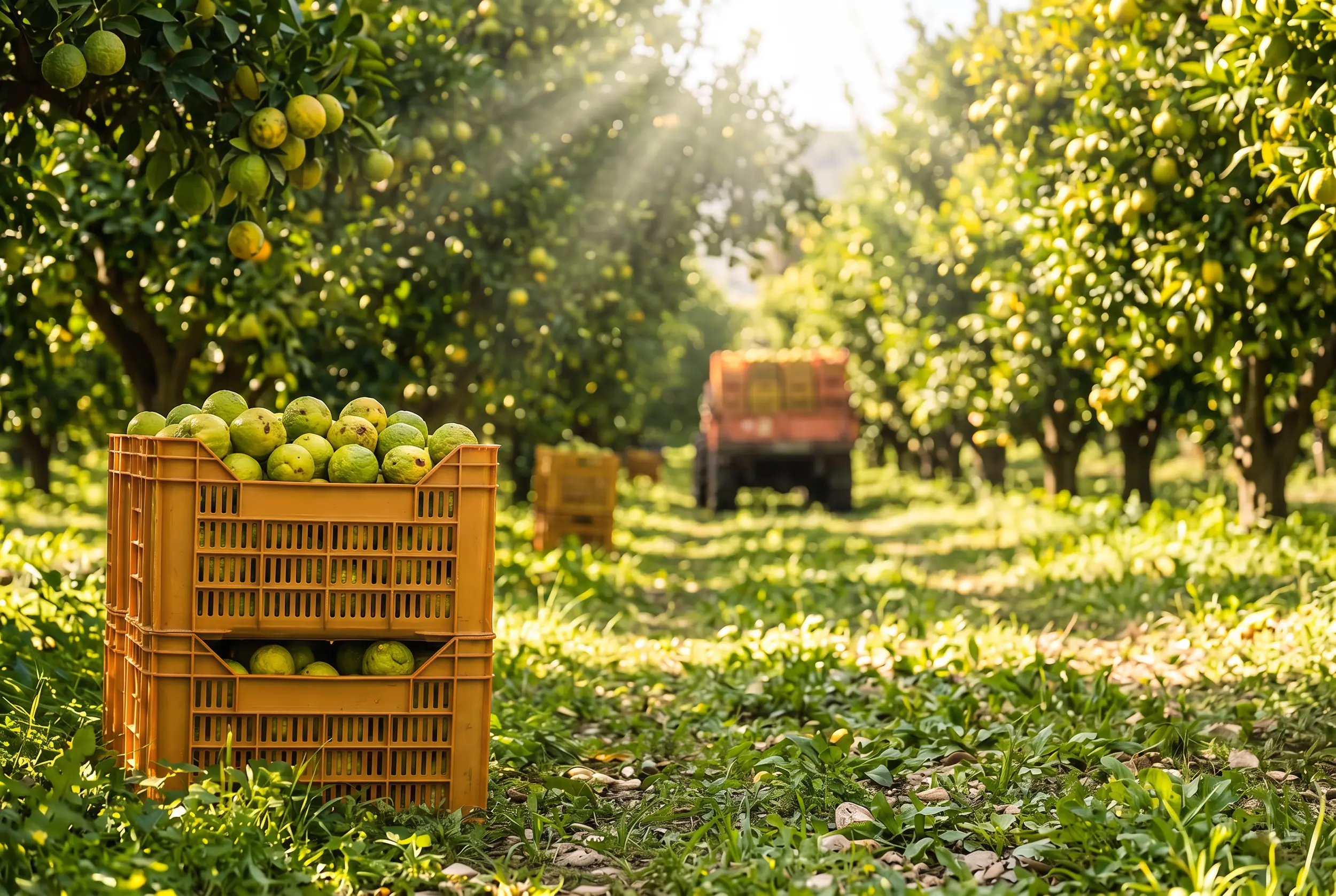
To make it to store shelves, citrus fruit needs to be the right size, have a regular shape, and unblemished skin. The fruit in this sale doesn’t check all those boxes. Too irregular for conventional channels, these organic citrus fruits are heading to Switzerland and your kitchen.
This year’s bergamot harvest was excellent, so abundant that branches broke under the weight of the fruit. Some were picked from these broken branches, while others were harvested early to relieve the trees. On top of that, there are fruits whose skin or size doesn’t meet fresh market standards.
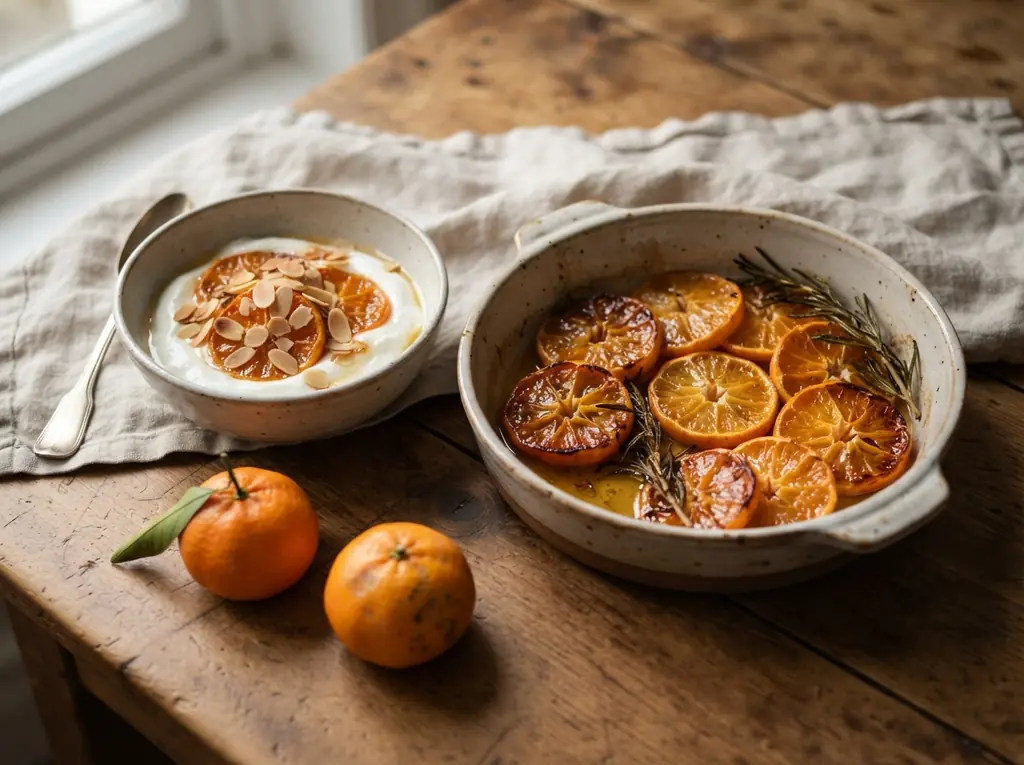
As for the clementines, there’s a bit of everything in the box: odd shapes, marked skins, and perfectly normal fruits. The producer confirmed it: they keep just as well and taste the same as standard clementines.
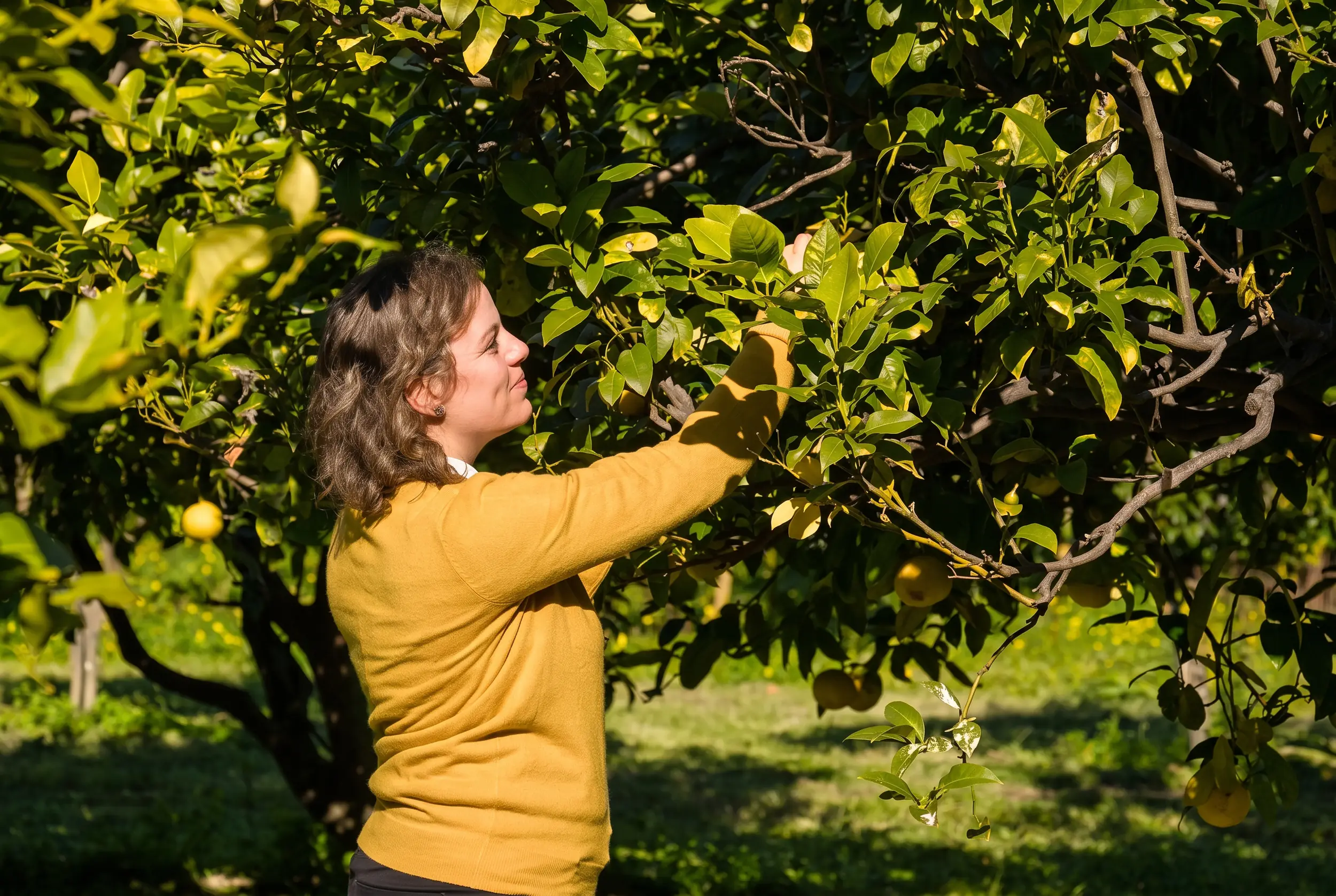
Two small organic farms from the province of Reggio Calabria, that have teamed up to sell their harvest all at once.
The bergamots come from Koramare, a farm of about thirty hectares in the San Pasquale valley, at the foot of the Aspromonte mountains and close to the Ionian Sea. Its name comes from Calabrian Greek and means “land to love.” Production began in the middle of the last century in the Siciliano family’s garden. Today, they grow bergamots, oranges, and lemons among olive trees, eucalyptus, and pine forests.
The clementines come from Le Terre di Zoè, a 9-hectare family farm in the Gioia Tauro plain, on the other coast of Calabria. Originally focused on olives, it later switched to citrus and has been certified organic since 2004.
One-time delivery, outside the Uglyfruits subscription
Clementines and bergamots like it cool: the vegetable drawer in your fridge, or a cellar, unheated garage, or frost-free balcony. Clementines will keep for one to two weeks. Take them out a bit before eating — they’re more fragrant at room temperature. Bergamots keep for several weeks in a cool place, like lemons.
Avoid sealed bags, and check the box from time to time: one damaged fruit can spoil its neighbors, so it’s best to remove it early.
Can’t use all your bergamots at once? Grate the zest before it dries out and freeze it in small portions, then squeeze the juice into an ice cube tray. You’ll have enough to flavor a cake, sauce, or drink for months.
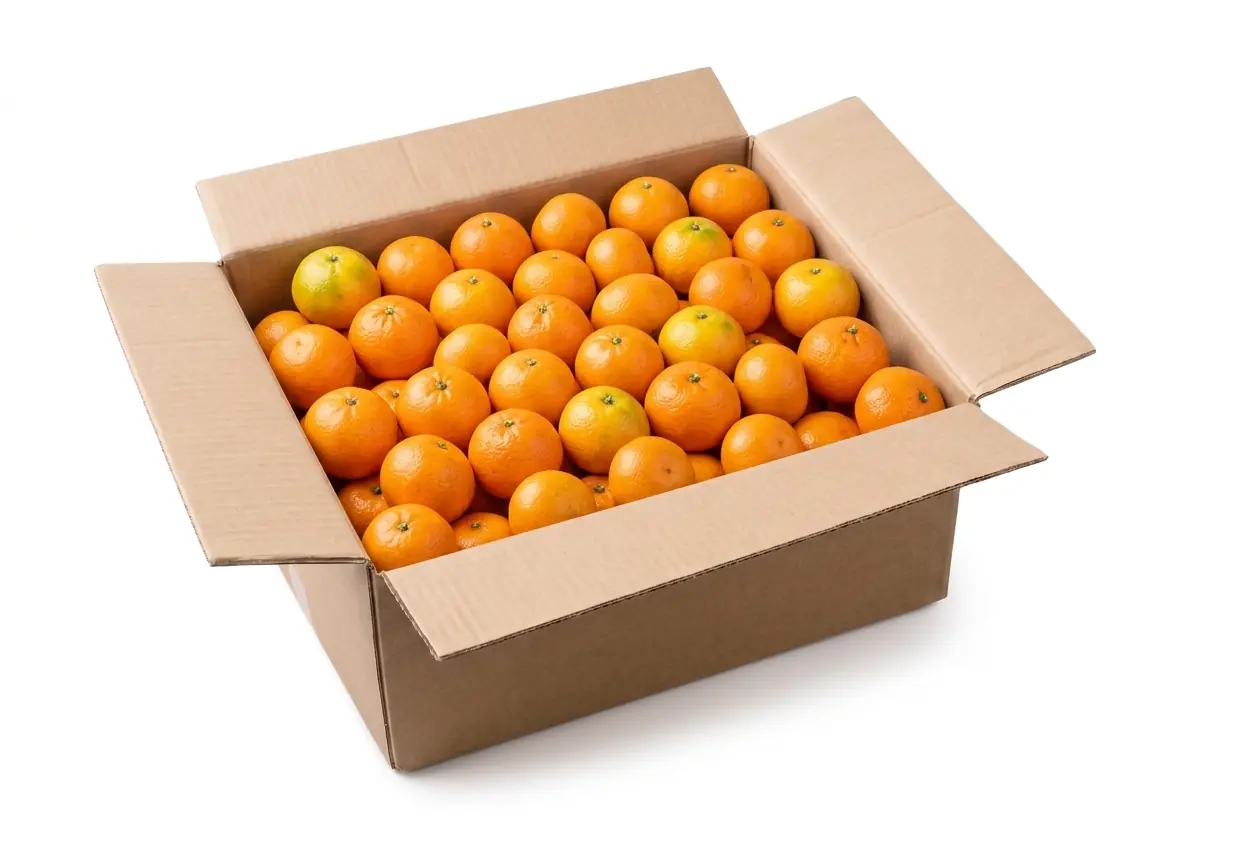
Unsorted organic clementines grown by Le Terre di Zoè: odd shapes, marked skins, and perfectly normal fruits all in the same box.
Their thin skin peels off easily, and their sweet, juicy flesh contains few or no seeds. Eat them in segments, juice them, or add them to a fruit salad, cake, or winter fennel salad.
This lot contains 8 kg of organic clementines. These are fresh fruits: keep them cool and count on one to two weeks.
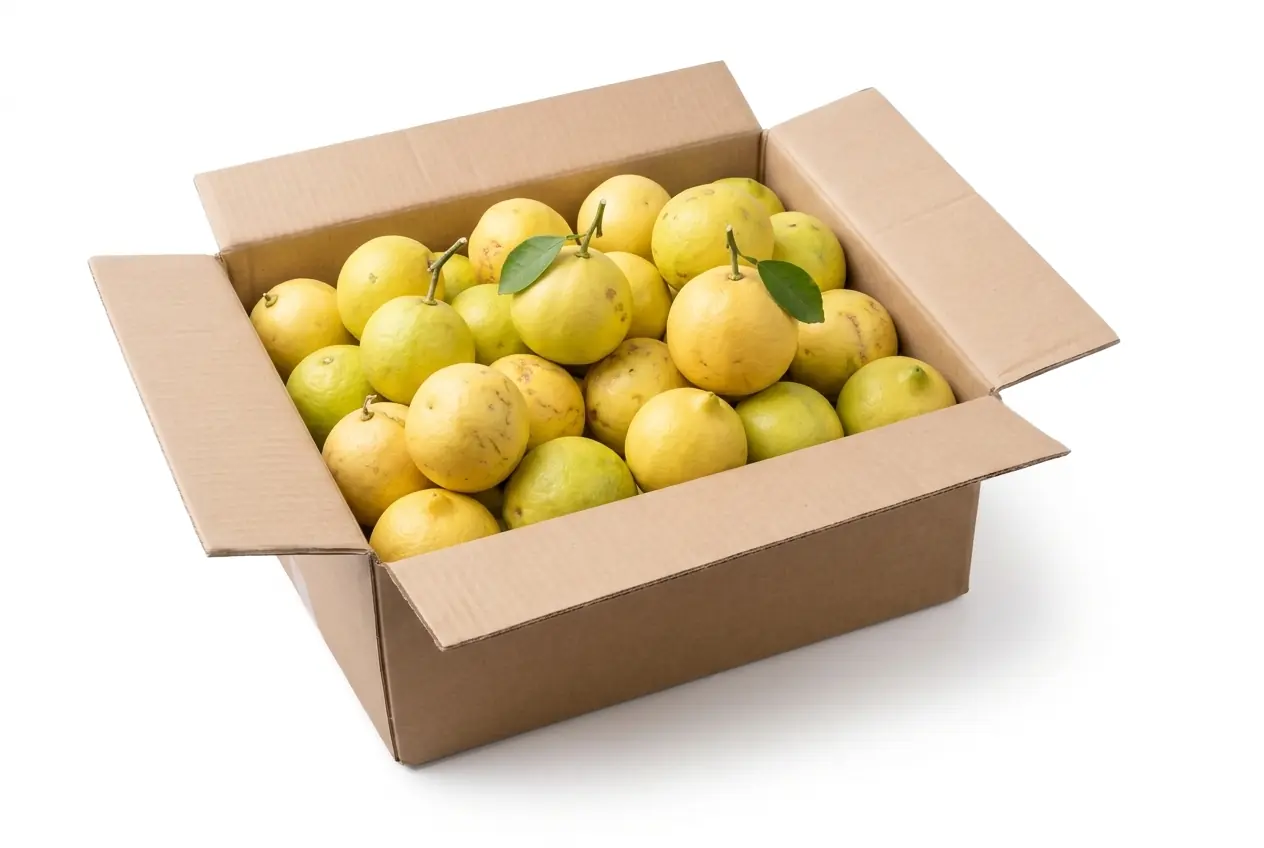
Bergamot isn’t eaten like a clementine: its flesh is very acidic and bitter. It’s used for its zest, which is highly fragrant, and for its juice, much like you’d use a lemon.
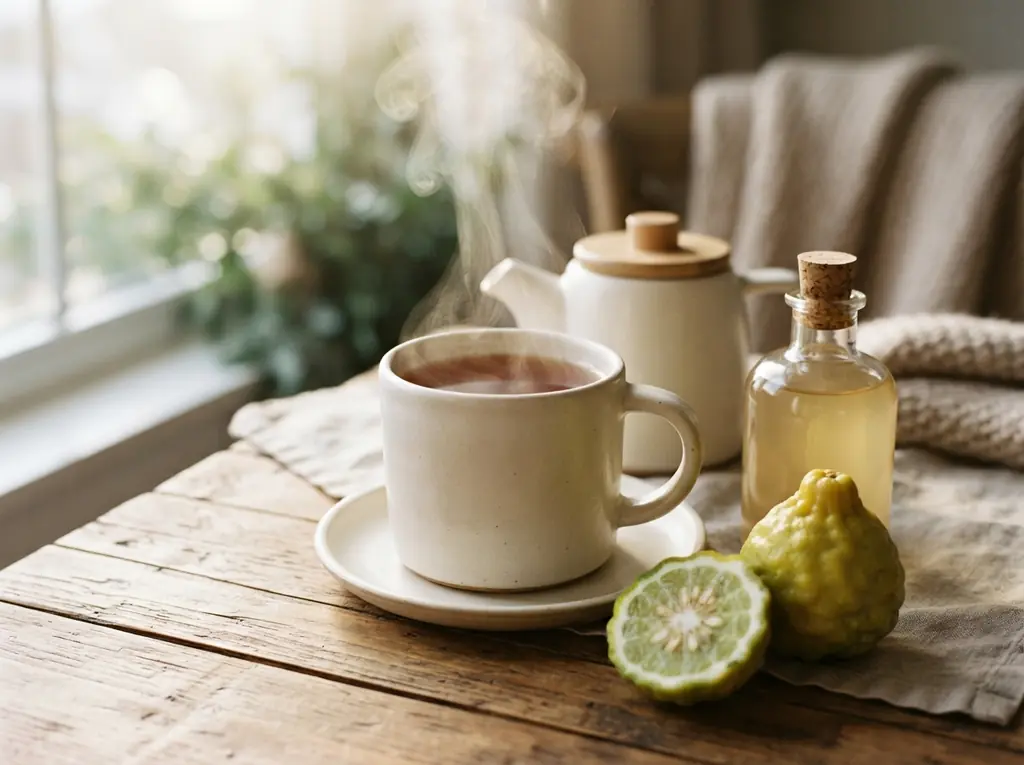
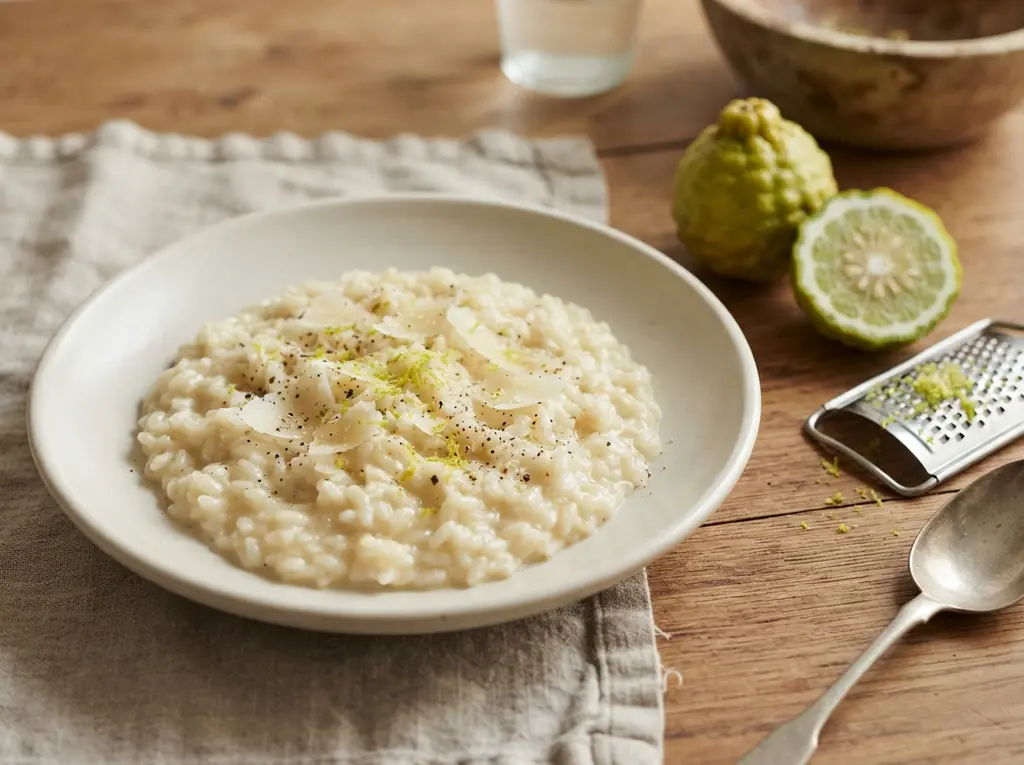
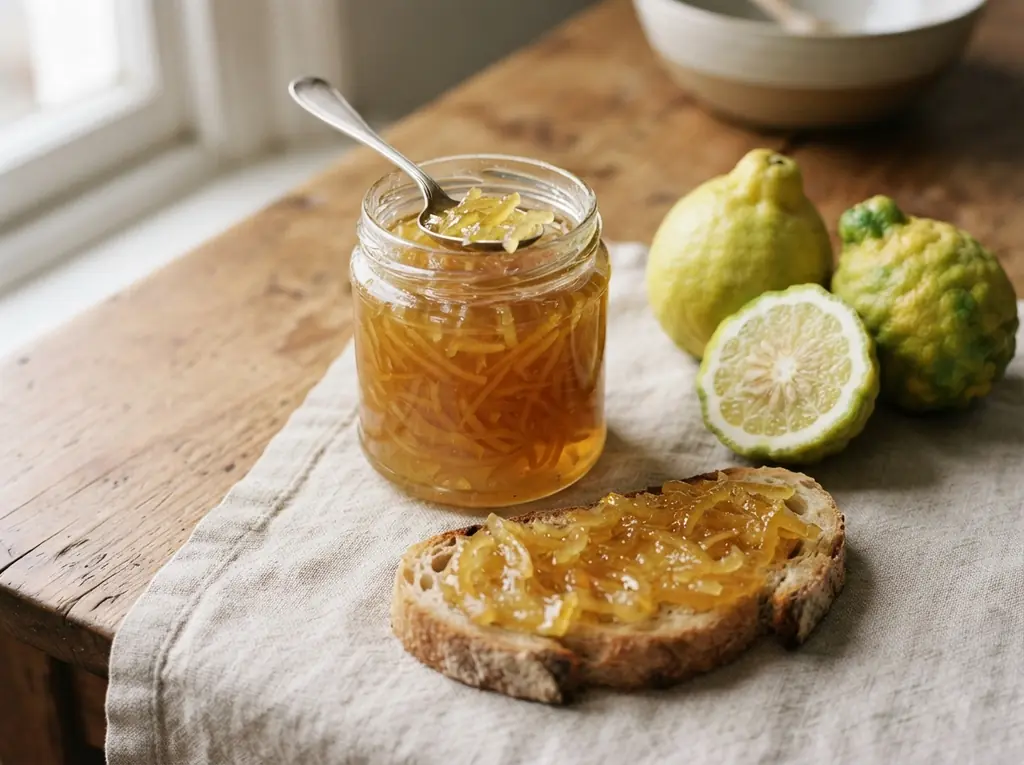
Its fresh, floral scent is the flavor of Earl Grey tea. Grate the zest into cake batter, shortbread, or cream. Add the juice to a vinaigrette, fish marinade, or homemade lemonade. The peels also make excellent marmalade and candied peel.
This lot contains 4 kg of organic bergamots from Koramare. These are fresh fruits: kept cool, they’ll last several weeks.
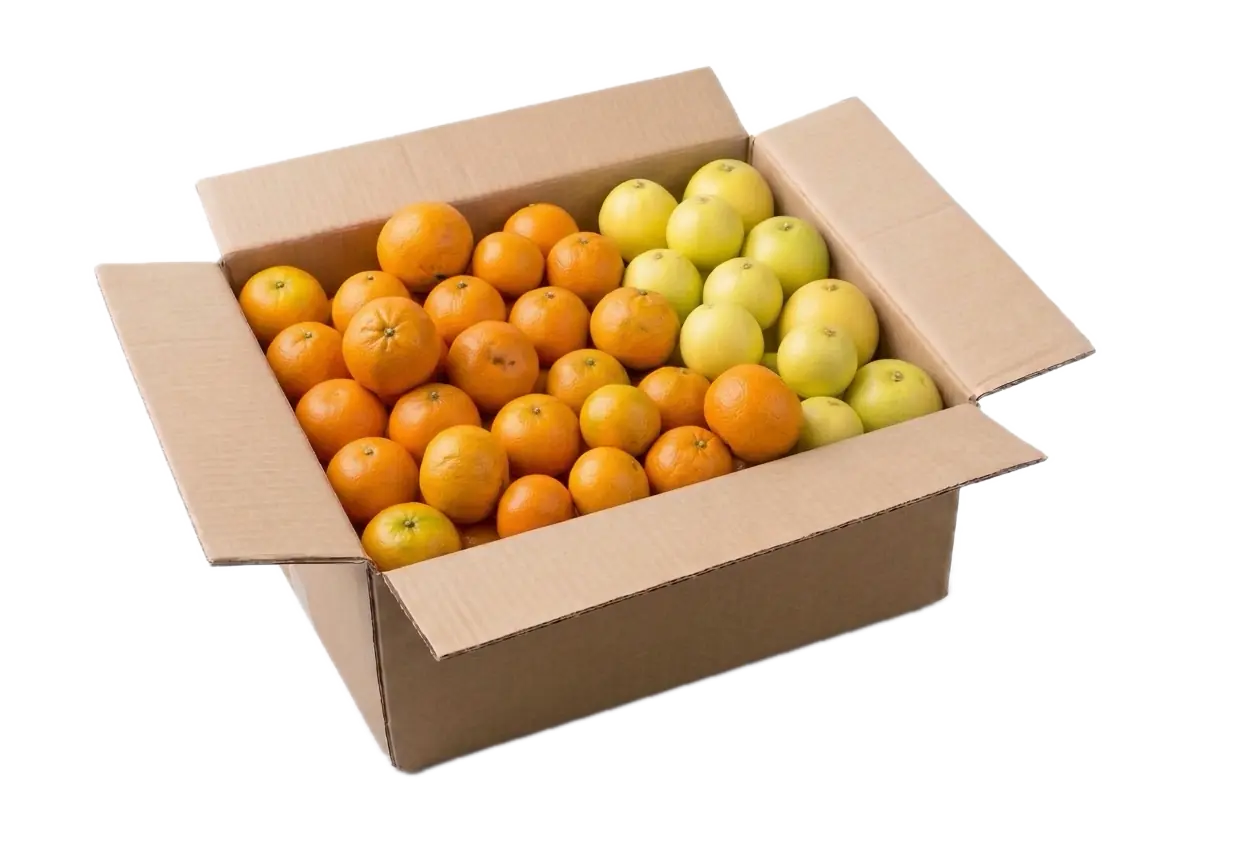
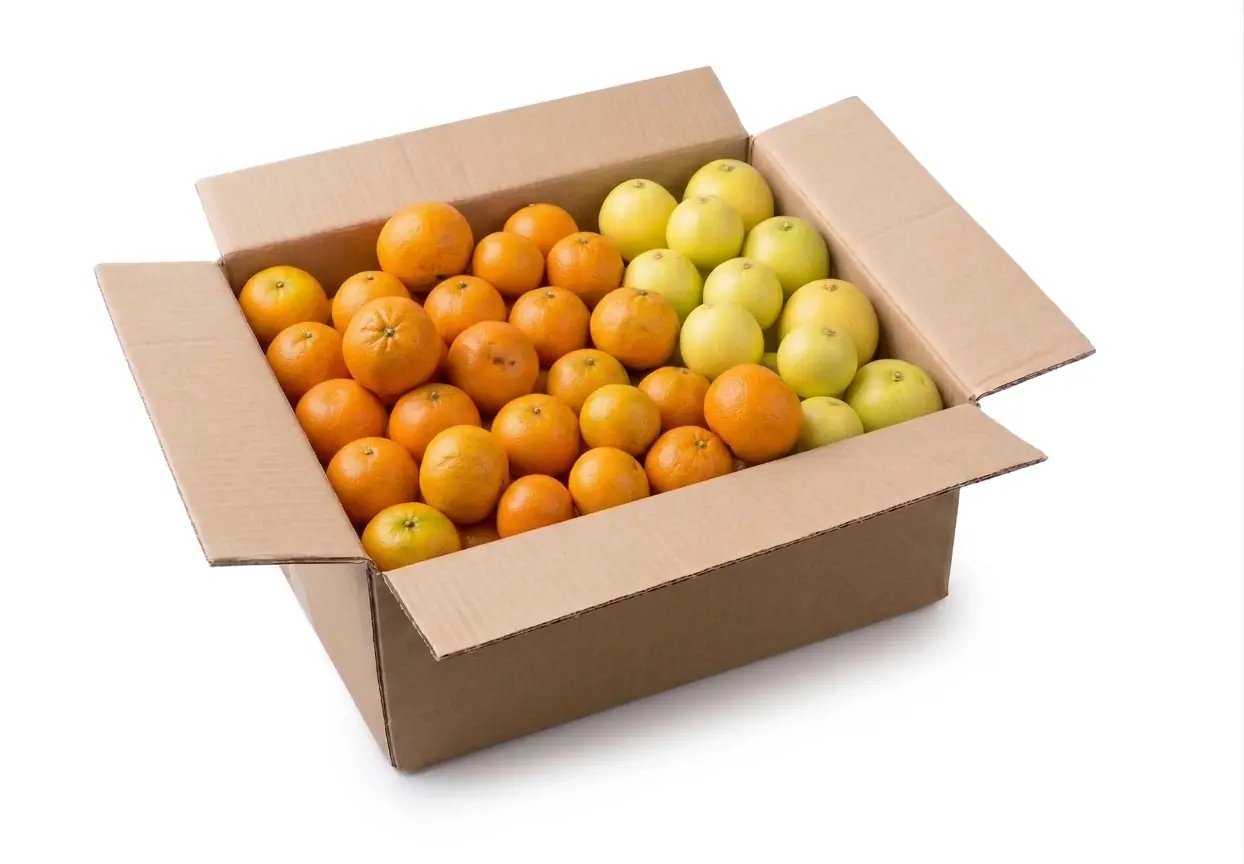
A taste of both farms: clementines from Le Terre di Zoè for everyday eating, and bergamots from Koramare to add flavor to your cooking.
The clementines are sweet, juicy, and easy to peel. The bergamots are used for their zest and their very acidic juice: a few drops are enough to brighten up a vinaigrette, fish, or dessert.
This lot contains 6 kg of organic clementines and 2 kg of organic bergamots. These are fresh fruits: keep them cool.
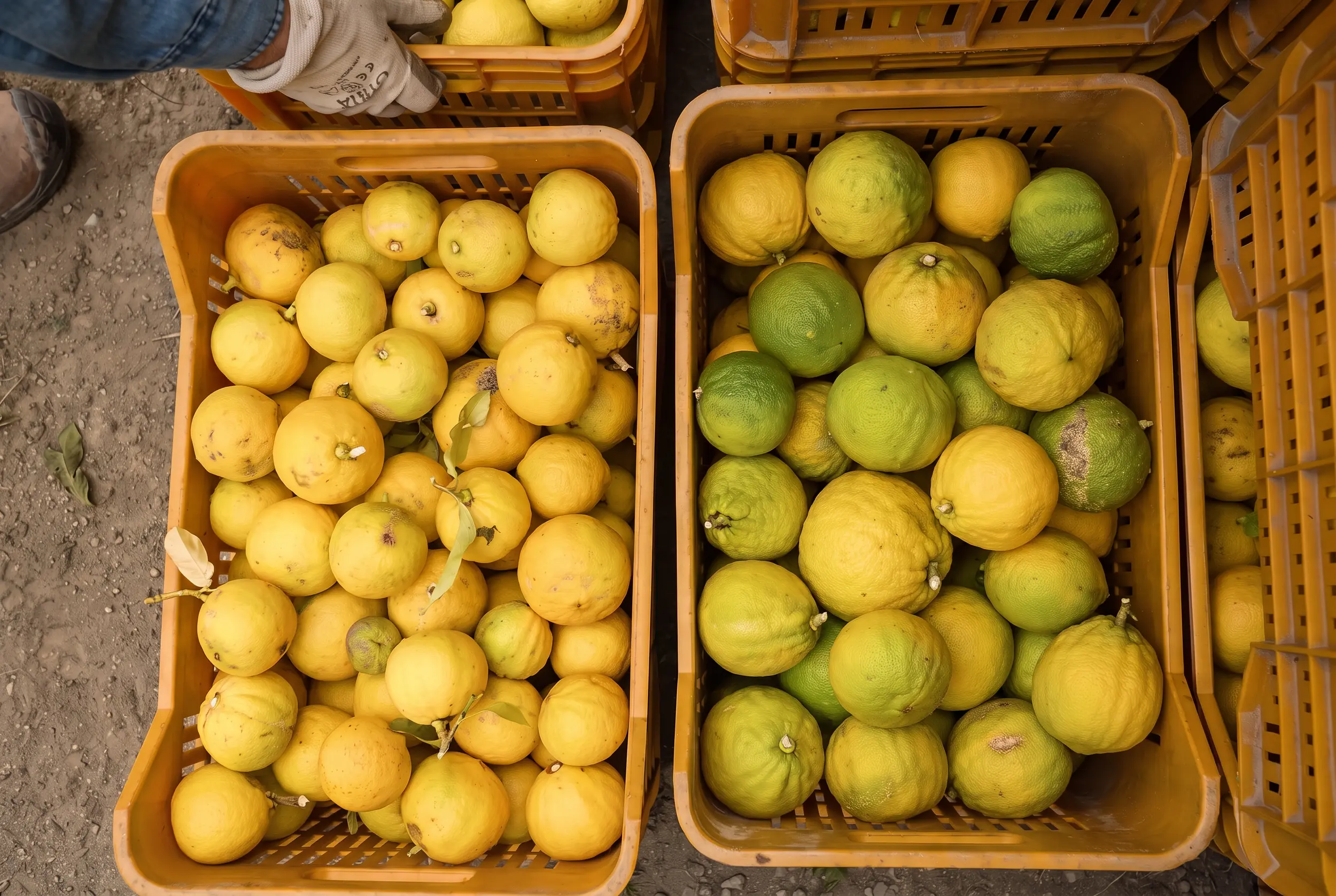
It looks like a small yellow orange, sometimes still green. Almost all of the world’s production comes from a narrow coastal strip: the province of Reggio Calabria alone supplies most of it, and Koramare is right in the middle of it.
It’s the skin that made its reputation. The essential oil extracted from it has had a protected designation of origin since 2001. It’s what gives Earl Grey tea its flavor, and it’s found in many perfumes.
In cooking, bergamot is used like a very fragrant lemon: a little zest is enough for a cake, cream, or fish. Its juice, more bitter than lemon juice, adds acidity to vinaigrettes, marinades, and drinks. You can also make jams and infusions with it!
Don't miss our next rescues
The next flash offer is coming very soon.
Subscribe to the newsletter to be the first in line!