Expiration dates: what they really mean...
...and why your nose often knows more than the label! "Expired" — a word that strikes fear... and, let's be honest, fills our trash cans way faster than our plates. Every year, a good chunk of food waste doesn't come from food that's actually gone bad, but from simple date confusion. This article is your chance to set the record straight (and the dates on the labels): here's everything you need to know to stop throwing out food just to be on the safe side.
Two dates, two very different meanings
On your packaging, two labels look similar… but they’re not the same at all. On one hand, the famous “use by”, and on the other, the more nuanced “best before”. A small difference in wording, but a world of difference in what they actually mean.
The “use by” date is a matter of safety. Past this point, the product can pose a real health risk (bacterial growth), even if it looks perfectly fine. No second chances here: respect the date, end of story.
The “best before” date is a matter of quality. The product remains completely safe to eat after this date: it may just have a little less crunch, color, or flavor. In other words, “best before” is exactly that — not a hard deadline.
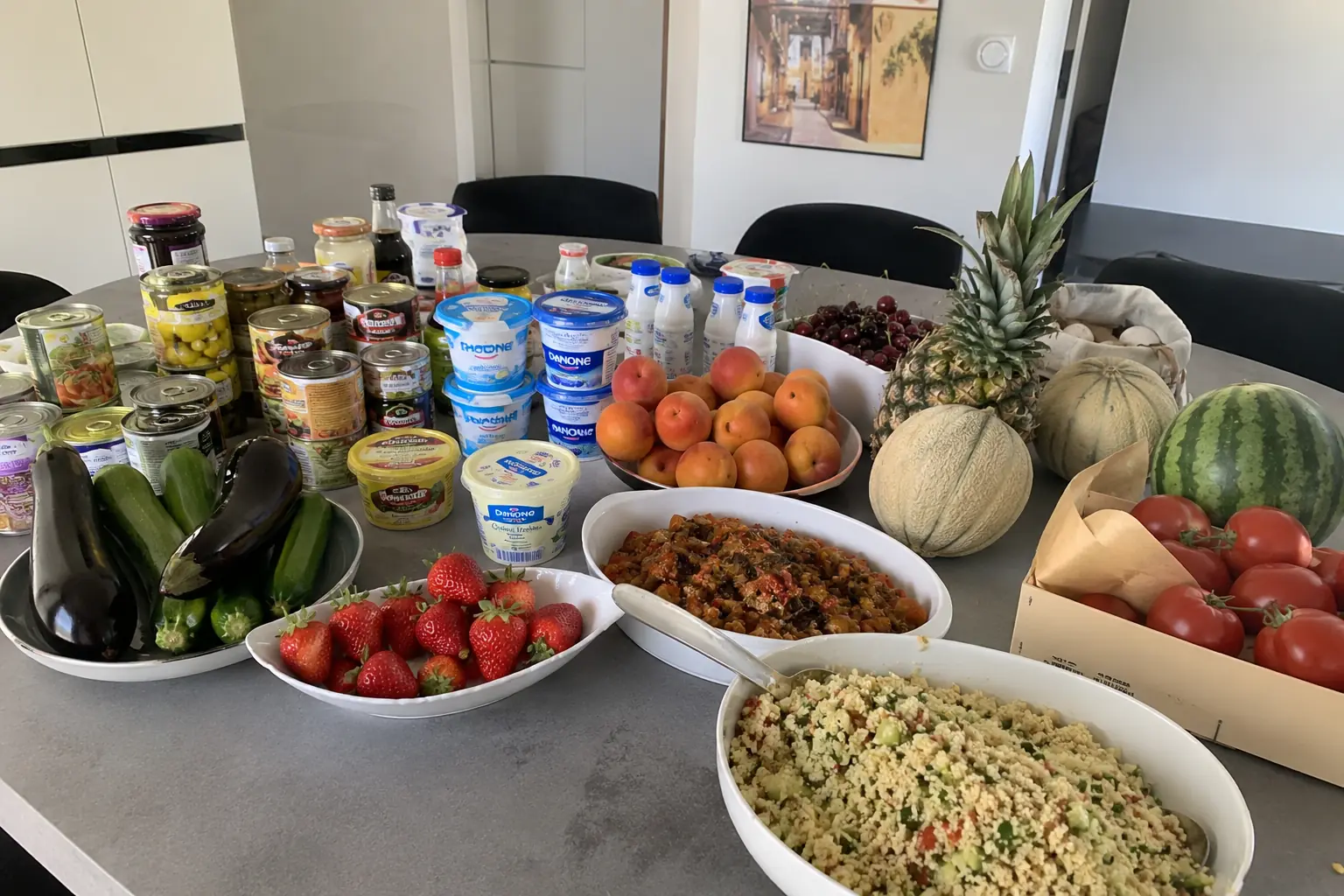
Bottom line: yogurt, cookies, or a bag of pasta that’s past its “best before” date shouldn’t automatically be tossed. You can open it, smell it, taste it… and often enjoy it just the same.
“Use by”
- What it guarantees: The food safety of the product
- After the date?: Don’t eat it, non-negotiable
- Products concerned: Fresh and perishable products: meat, fish, fresh dairy, prepared meals
“Best before”
- What it guarantees: Optimal quality (taste, texture, color)
- After the date?: You can very often still eat it, it’s just lost a bit of its oomph
- Products concerned: Dry or shelf-stable products: pasta, rice, canned goods, cookies, fruits and vegetables
Real-life examples to make it crystal clear
- A yogurt with a “best before” date of July 2? It’ll very likely still be excellent on the 10th, or even well after — texture and taste may just change slightly.
- A bag of rice, pasta, or a can with a “best before” date in 6 months? These dry goods actually keep for months, sometimes years, past that date, with no danger at all.
- A ground beef patty or fresh fish with a “use by” date of tomorrow? No messing around here: straight to the pan today, or into the freezer.
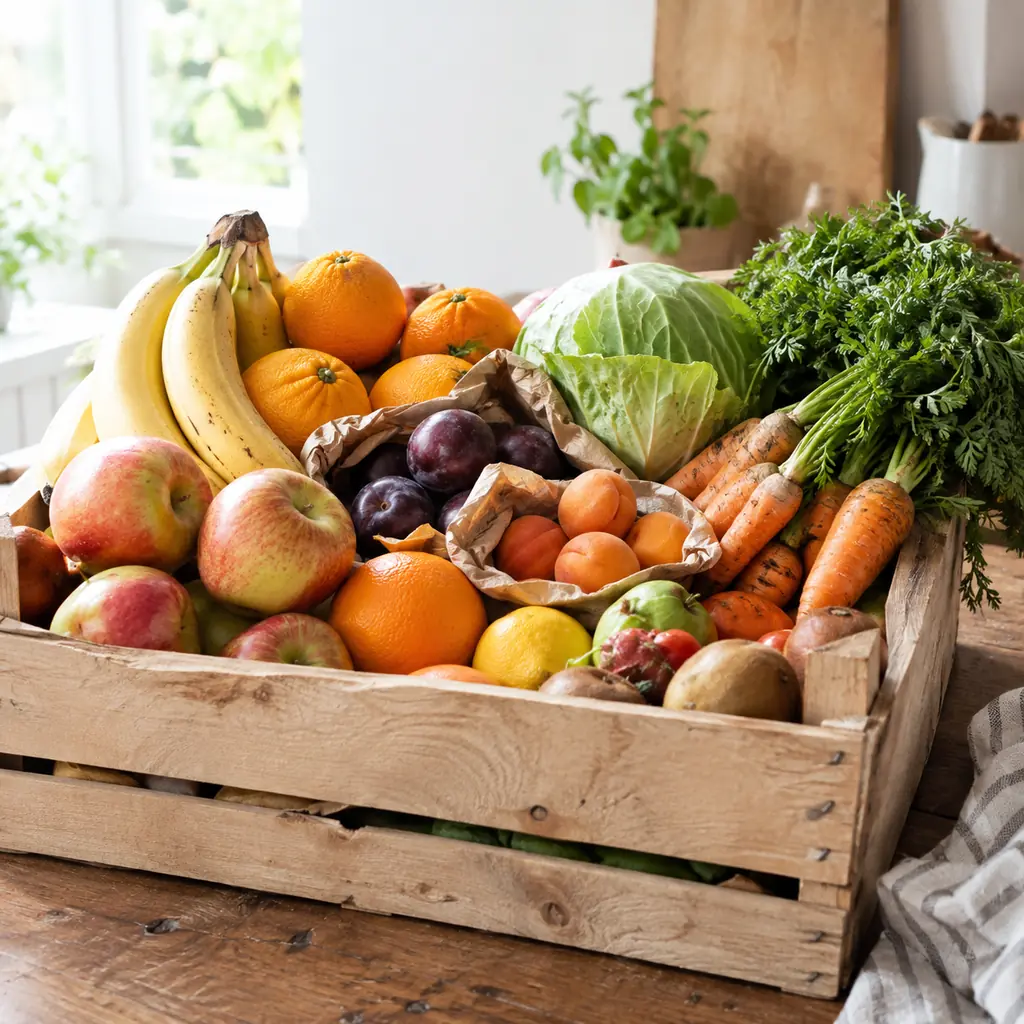
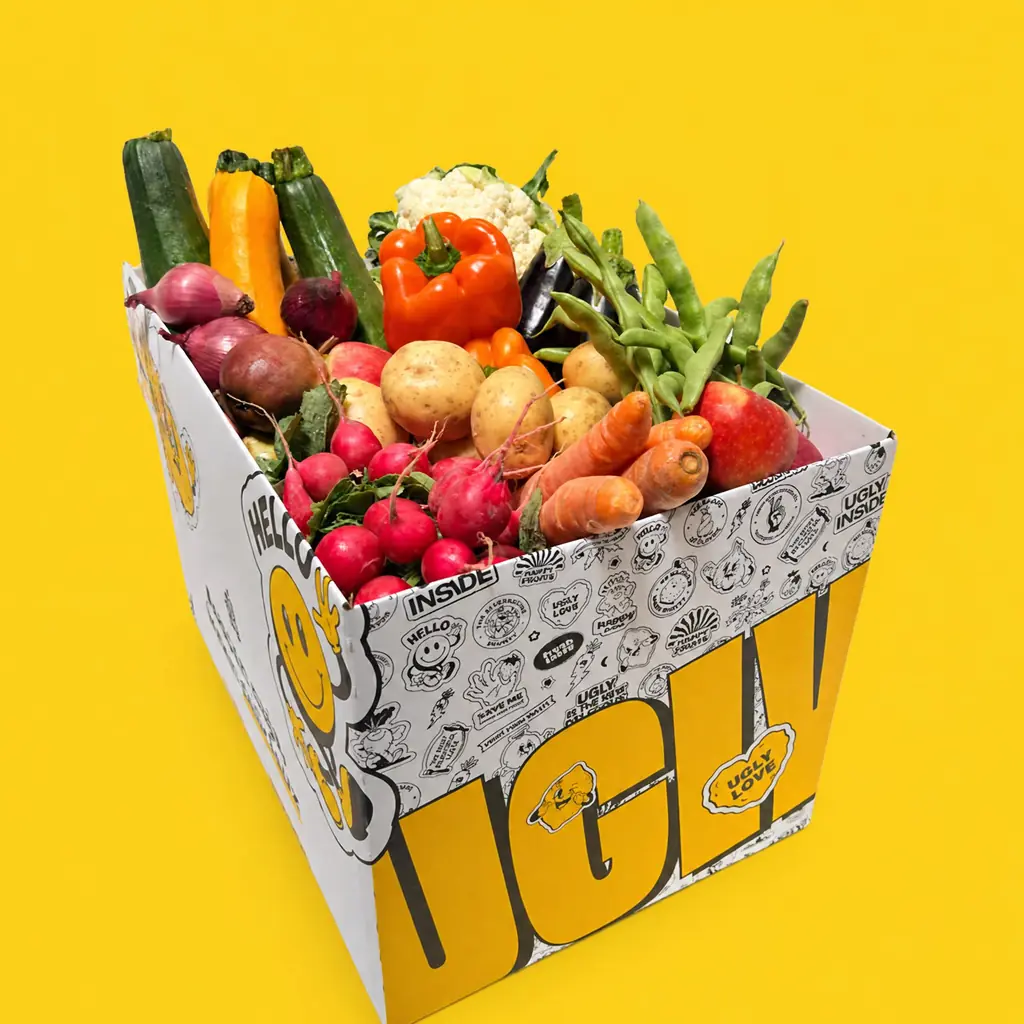
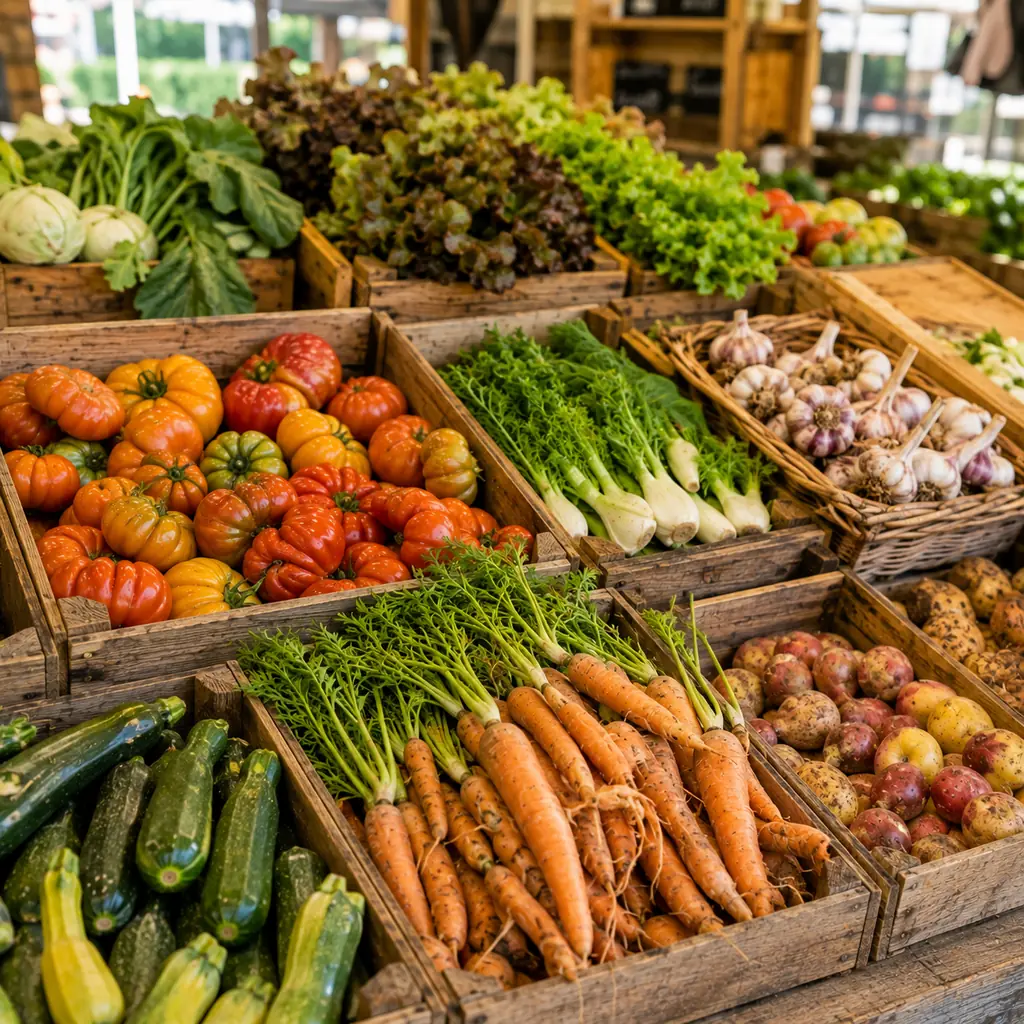
- And what about fruits and vegetables? They usually don’t have any “use by” or “best before” date displayed: your senses are the label. A slightly spotted apple, a somewhat wilted carrot, or an “ugly” non-standard fruit aren’t expired — they’re just fruits with personality. And that’s exactly what we celebrate at UglyFruits.
DIY tests: your best ally against food waste
Before reaching for the trash can, a few simple checks can help you judge a product way better than any printed date:
- The sight test: color, texture, visible mold. A fruit with a small spot isn’t ruined, just a fruit you peel a bit more.
- The smell test: an unusual, sour, or downright unpleasant odor is the most reliable signal there is, way before any label.
- The touch test: a product that’s abnormally sticky, slimy, or has a texture that’s drastically changed — you’ll notice right away.
- The taste test (as a last resort, for “best before” products only): a tiny bite is enough to confirm what your nose already knew. Never taste a product past its “use by” date: safety always comes before curiosity.
Don’t judge a fruit by its peel
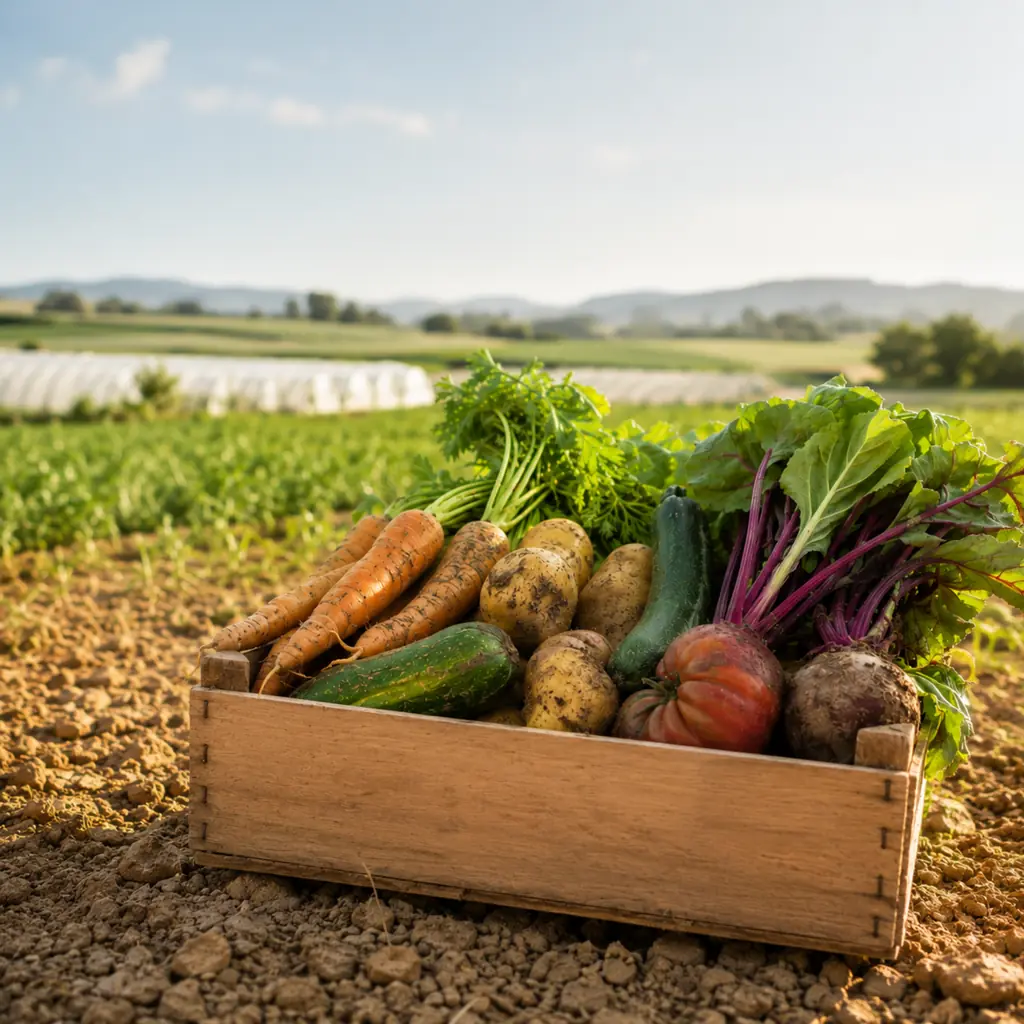
An imperfect fruit, an expiration date a few days past, or a small blemish don’t tell the whole story of a food. Our partner producers grow their fruits and vegetables year-round with the same high standards, whether they’re perfectly round or delightfully lopsided. The result: less food waste, more flavor, and 100% organic baskets that are above all 100% delicious.
So next time a date makes you hesitate, take three seconds: look, smell, and trust your senses as much as the label. Your wallet, the planet (and your taste buds) will thank you.