White clay, mulching, drip irrigation: our producers' anti-waste techniques to beat the heat
The recent RTS investigation from July 2026 on Swiss agriculture paints a clear picture: between heatwaves and drought, crops are struggling, and producers must get creative to save their harvests.
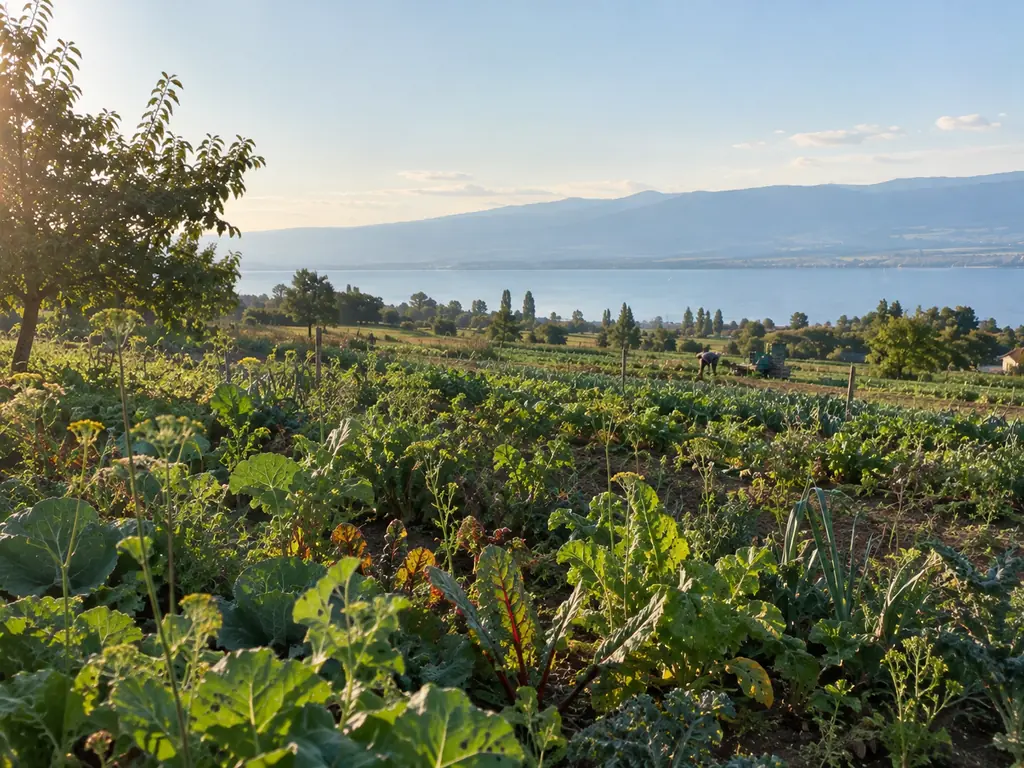
In the Seeland, Switzerland’s largest vegetable garden, a strange white powder has appeared on fruit trees. No, it’s not stray flour: it’s clay. And it’s just the tip of the iceberg when it comes to the arsenal of techniques our producers are deploying this summer to minimize losses.
These techniques hit close to home for us: they’re not just about saving a harvest threatened by heat, they’re also, often without saying so, genuine anti-waste efforts. Fewer fruits scorched by the sun, fewer vegetables lost due to poorly timed watering, fewer harvests left abandoned in the field: every action counts to ensure that as much of what grows actually makes it to our plates. Let us give you the grand tour, technique by technique.
White clay, sunscreen for orchards
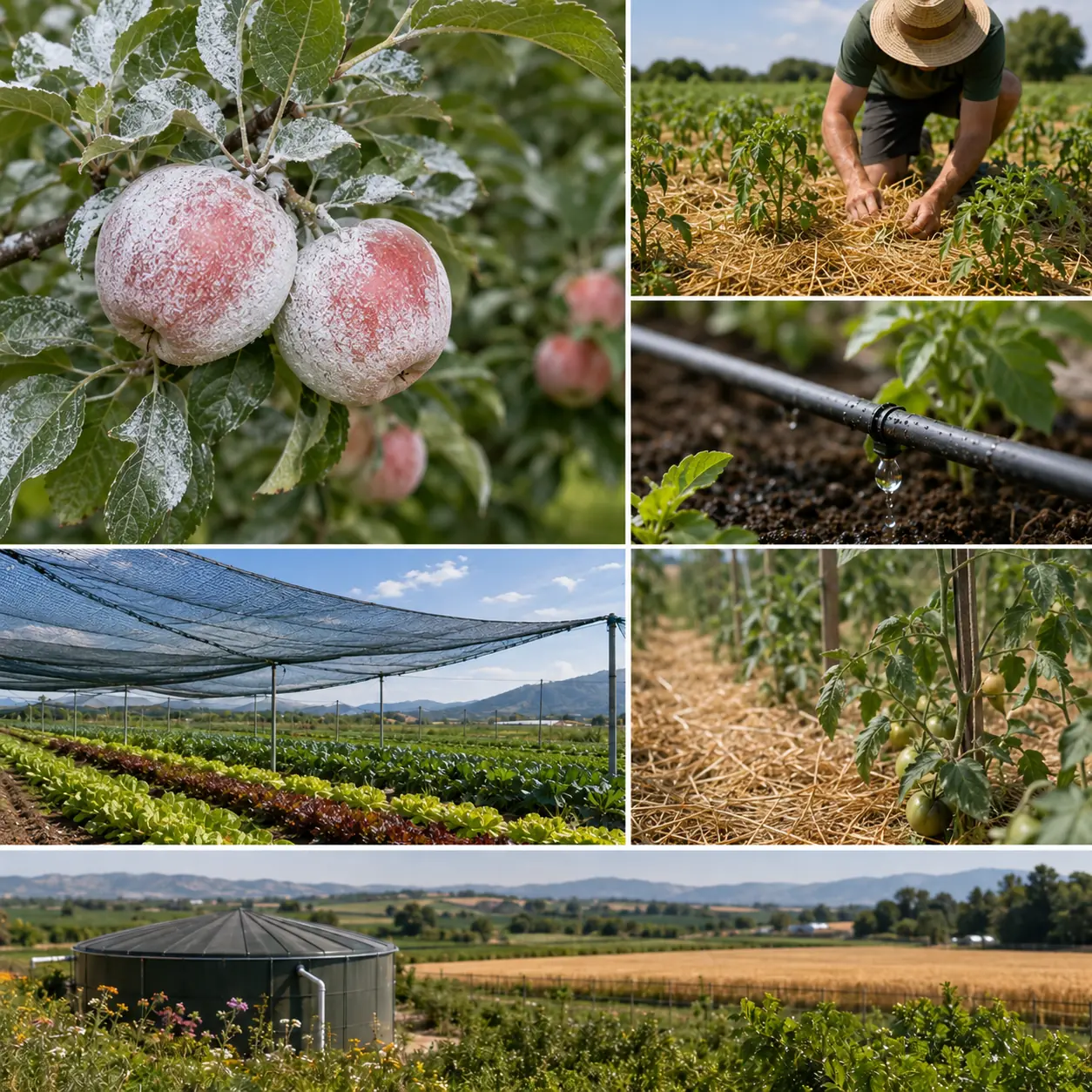
Let’s start with the star of the report: kaolin, a natural white clay sprayed directly onto leaves and fruit. Once dry, it forms a thin mineral film that acts as a genuine sunscreen for plants: it reflects part of the radiation and limits fruit overheating, reducing the risk of sunburn and skin damage on apples, pears, or cherries. It also has a welcome side effect: its rough texture and color deter certain pest insects from settling on leaves and fruit, reducing the need for pesticide treatments. Used in organic orchards since the late 1990s, it’s become widespread in recent years as intense heat episodes multiply.
The concrete result for you: an apple that’s received this treatment may look slightly different (sometimes a more matte skin, a few traces of powder before washing) without affecting its taste or quality. It’s almost a sign that the fruit was well protected rather than a flaw to reject.
Mulching, the miracle blanket
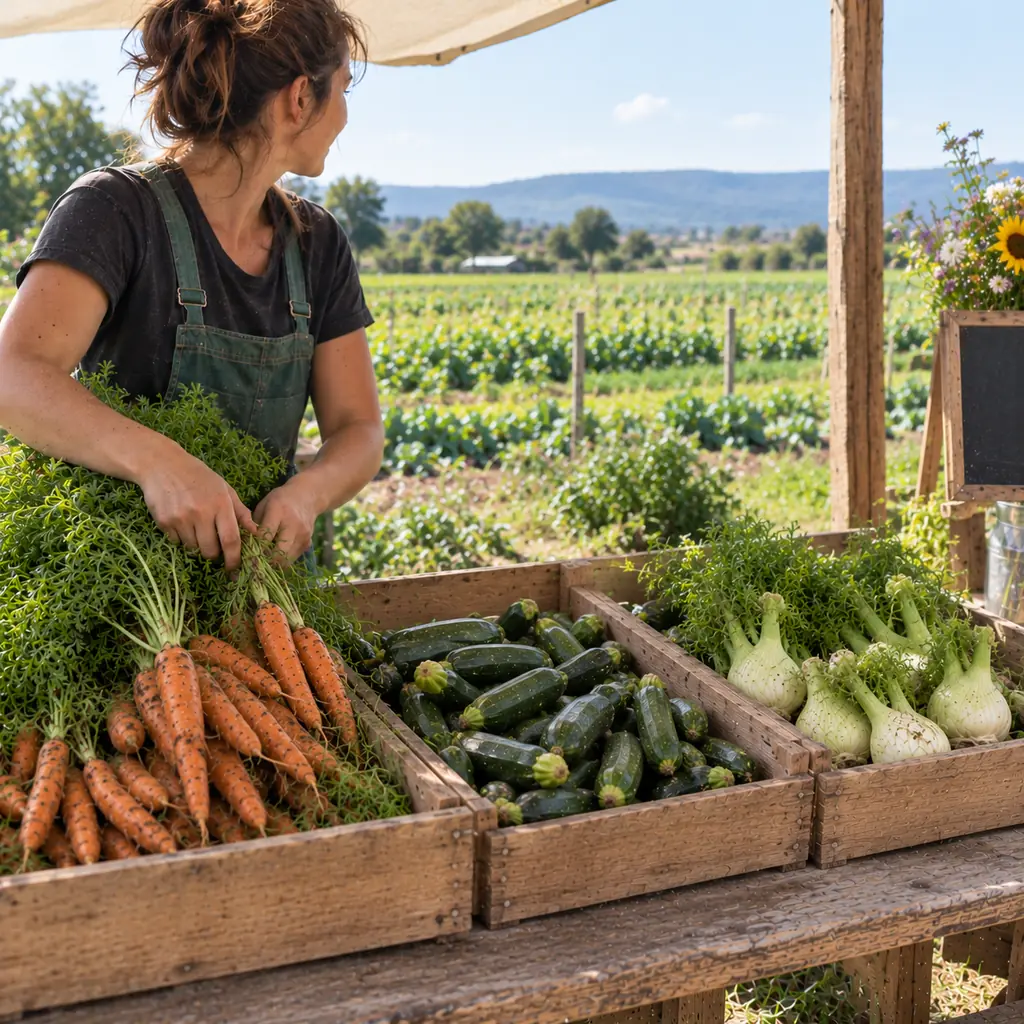
Another technique, more discreet but just as effective: mulching. By covering the base of plants with a 5 to 10 centimeter layer of straw, coarse compost, or wood chips, market gardeners create a genuine organic blanket on the soil. This cover limits water evaporation, stabilizes soil temperature, and considerably reduces how often watering is needed—a huge advantage when every drop of water counts.
Mulching also has an often-overlooked anti-waste benefit: by preventing fruits like zucchini or tomatoes from resting directly on warm, moist soil, it reduces the risk of rot and fungal diseases, and therefore losses at the end of the chain, before the harvest even reaches our baskets.
Drip irrigation, precision over excess
Gone are the days of broadcast watering that wastes as much water as it actually delivers to the roots: more and more of our partner producers are turning to drip irrigation, a network of small perforated tubes that delivers water directly to the base of each plant, down to the liter. This system saves water compared to traditional watering, while providing crops with a constant water supply, which limits the famous “water stress” responsible for the irregular shapes or uneven sizes you sometimes find in our baskets. Ironically, the technique designed to save harvests from drought is also, indirectly, an ally in the fight against food waste.
Shade nets, an XXL parasol for crops
In some plots, especially for the most sensitive crops like young shoots, lettuces, or strawberry plants, shade nets are now installed above the rows. These technical fabrics filter part of the direct sunlight while letting through the air and light needed for photosynthesis. Think of it as a parasol on a field-wide scale, helping limit plant evapotranspiration and reduce leaf burn during heatwaves.
Betting on tomorrow: resistant varieties and research
Beyond immediate solutions, the Confederation is working on longer-term adaptations. The Agroscope agricultural research station is currently testing varieties more resistant to heat and drought, sometimes drawing on old varieties already better adapted to warmer climates, or cereals imported from regions with climates similar to what Switzerland will experience in a few decades. The Federal Office for the Environment is also encouraging farms to invest in water storage and improving soil water retention, two levers that will help better absorb difficult summers ahead.
What this means for your baskets
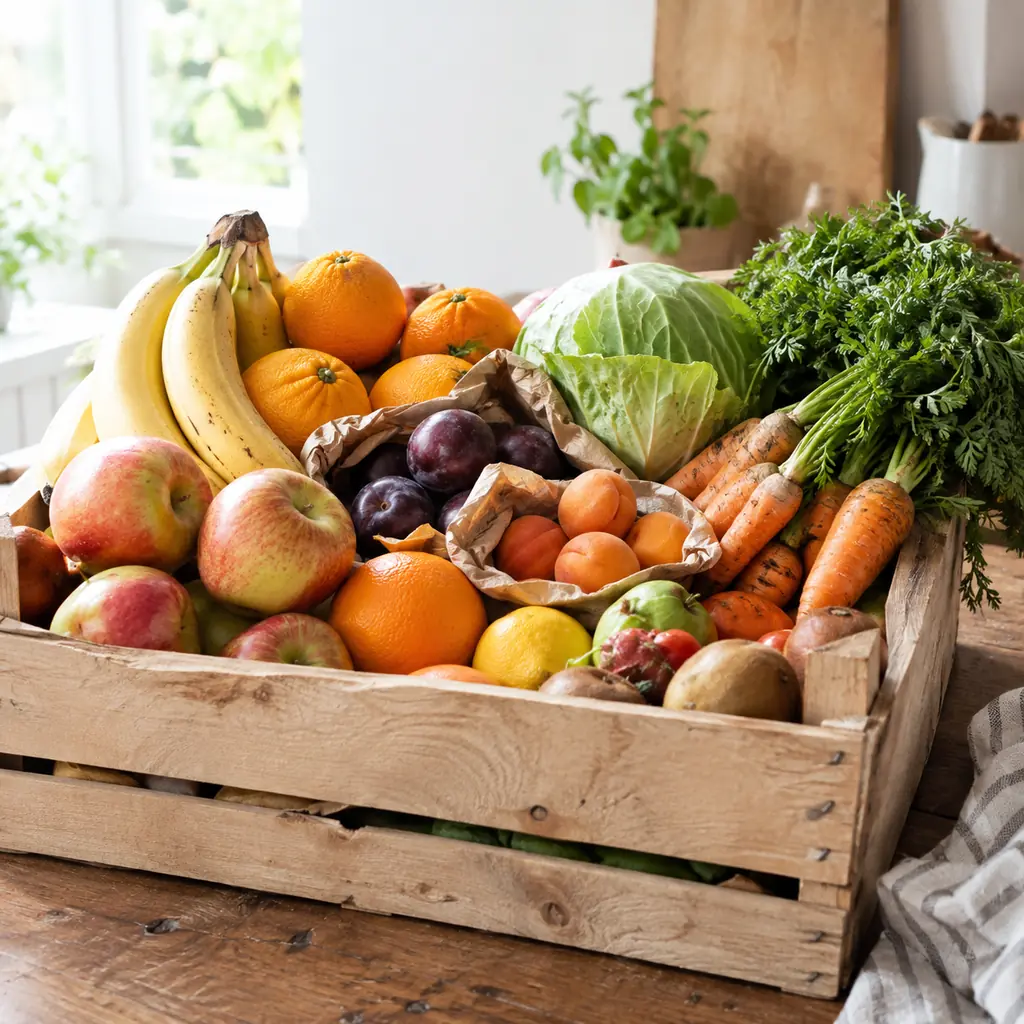
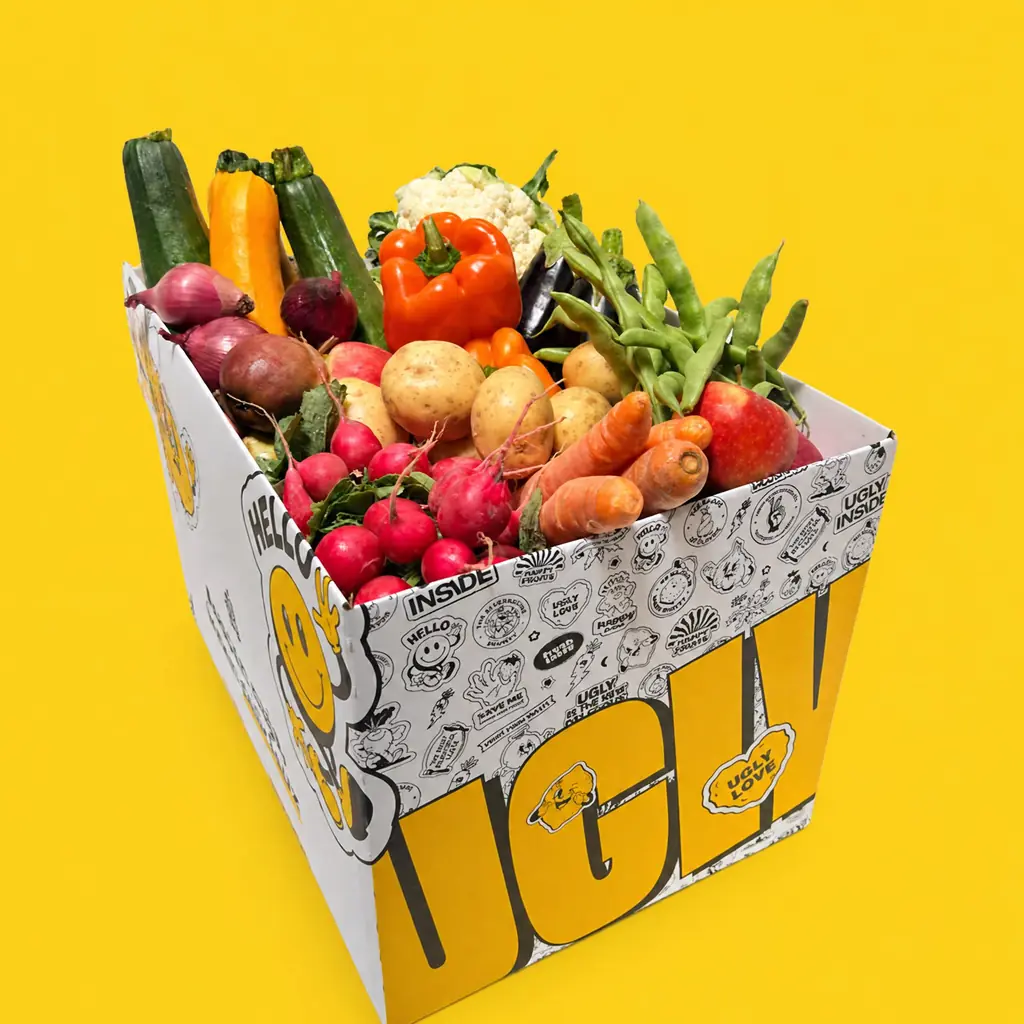
All these techniques have one thing in common: they require time, observation, and often a bit more work than the easiest (and most water-hungry) solution. They also explain why, this summer more than others, you might find in your UglyFruits baskets some sun-marked fruits, sizes that march to their own drum, or shapes that don’t quite fit the mold. These aren’t mishaps: they’re the visible traces of adaptation work carried out in the field, day after day, under heat we wouldn’t wish on anyone.
Choosing these non-standard fruits and vegetables is therefore also a concrete way to support these efforts, rather than leaving in the field what doesn’t meet the usual aesthetic standards. An apple dusted with clay or a slightly crooked pepper has never had a better excuse.
Sources: RTS report on Swiss agriculture facing the heat (July 2026); RTS, “Heatwave: how Swiss agriculture is coping with water shortages”; Le Temps, “In Switzerland, agriculture under climate pressure”; Federal Office for the Environment (FOEN).