Is UglyFruits really more expensive than the supermarket?
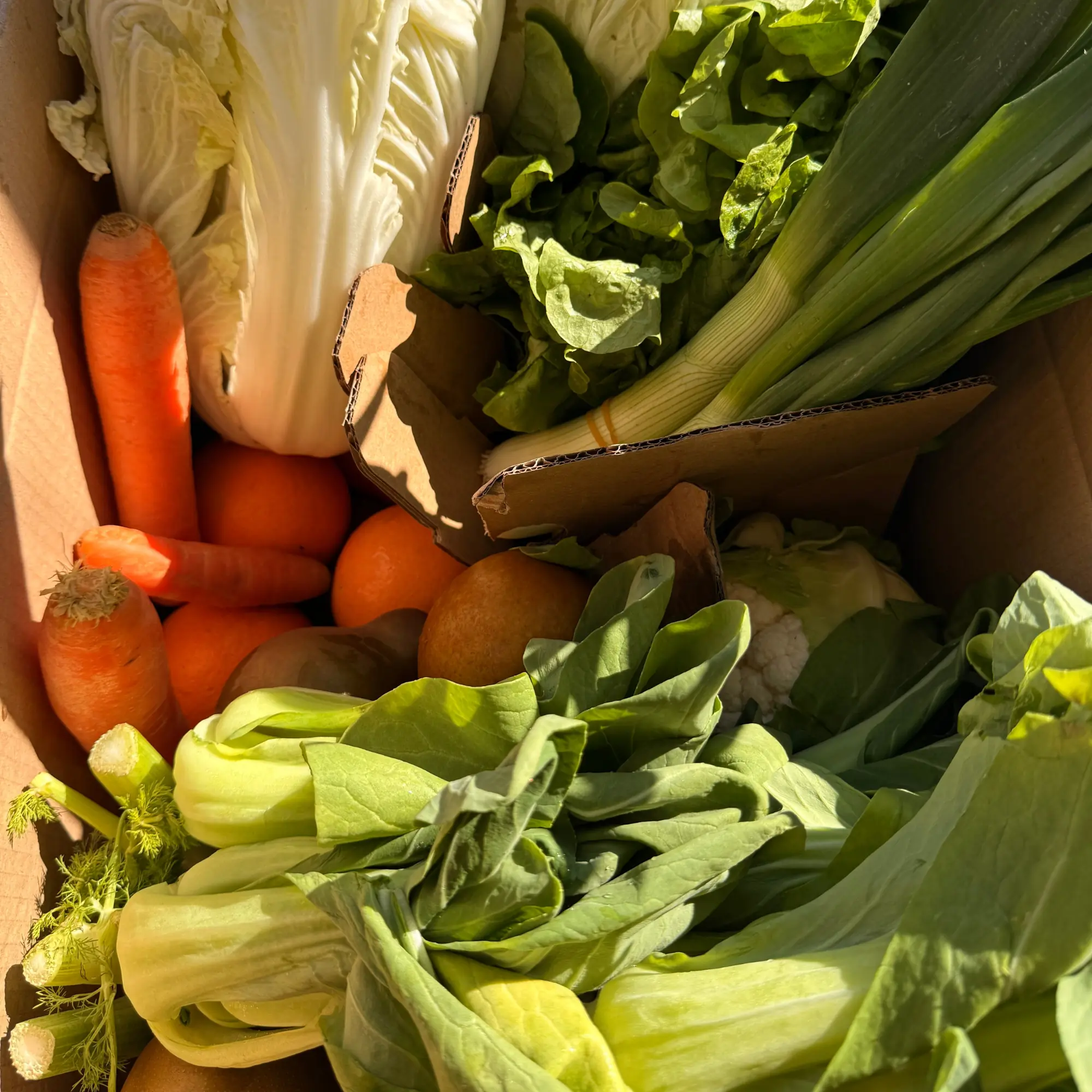
You've compared our prices with your usual store and hesitated. That's totally normal. But are you sure you're comparing apples to apples? Let's take a deep dive into our baskets!
The price on the tag isn’t what you’re really paying
Let’s take a concrete example. You buy a kilo of organic carrots at the supermarket for CHF 1.90. Noted, paid for. But how many of those carrots do you actually end up eating?
According to the 2022 report from FOEN (Federal Office for the Environment), Swiss households waste an average of 91 kg of food per person per year — a significant portion of which is fresh fruits and vegetables, the first to go when you forget to cook or buy too much.
At the European level, the FUSIONS study (2016, funded by the European Commission) estimates that 20–30% of fresh fruits and vegetables are wasted by households. In practical terms, if you throw away 25% of your carrots, your CHF 1.90 kilo actually costs you CHF 2.53 per kilo consumed. And that’s not counting the energy spent going to the store, the guilt when emptying the bottom drawer of your fridge…
Put another way: you’re not just paying for what you eat. You’re also paying for what you throw away. And that’s something the receipt doesn’t mention.
Why do we waste so much with fruits and vegetables?
Several factors come into play.
First, products from large retailers have often already traveled a long way before reaching your kitchen
Harvest, storage at the producer’s, transport to a logistics platform, redistribution, store shelves… According to data from Foodwatch, it often takes 7 to 14 days between harvest and your plate for conventional supply chains. (Foodwatch France, “From field to plate, how many days?”, 2021 report)
A product that’s already “lived” 10 days when you buy it naturally has a much shorter useful life at home. It’s not that you’re bad at managing your groceries — the product was already tired when you brought it home.
Second factor: packaging.
Supermarkets sell a lot in trays or pre-weighed bags. You buy 500 g of cherry tomatoes because that’s the smallest unit available. But you only need 200 g for your salad. The rest waits around, and often doesn’t wait long enough.
The honest comparison
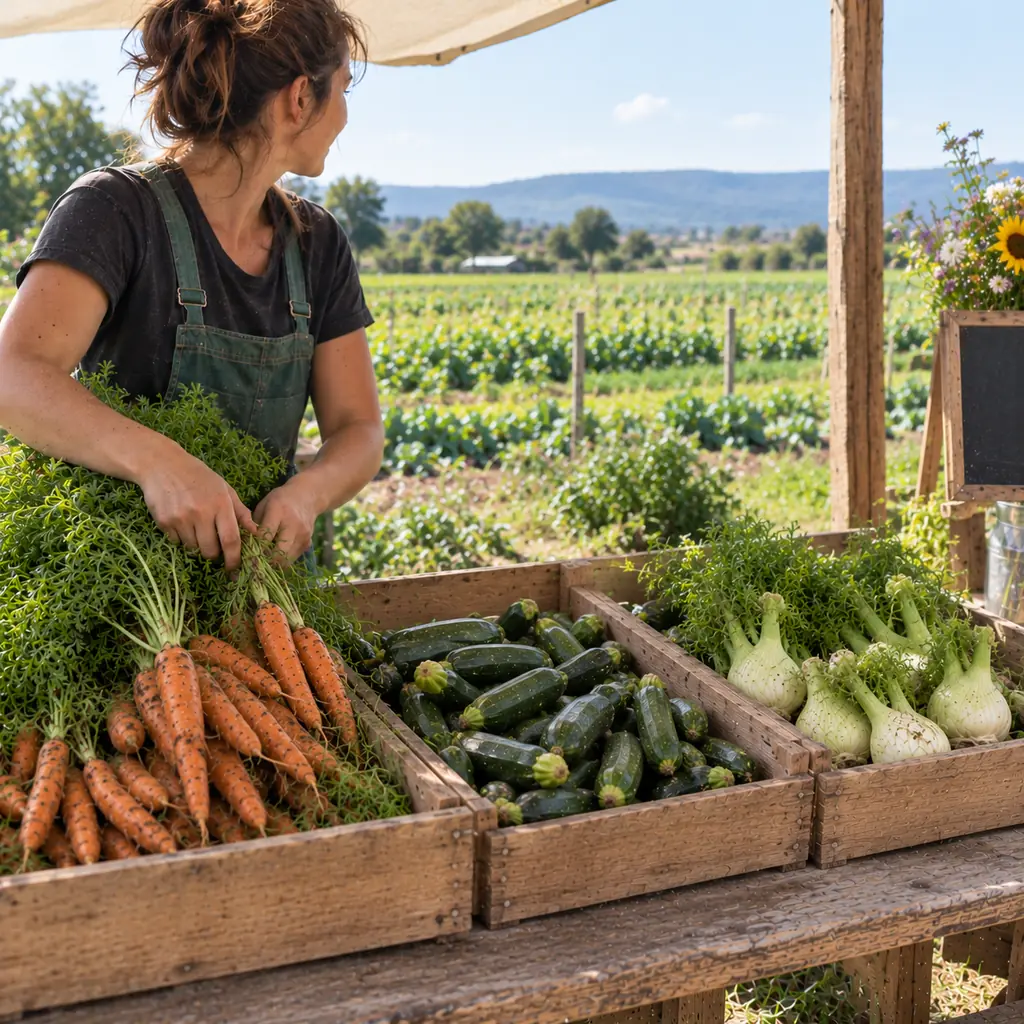
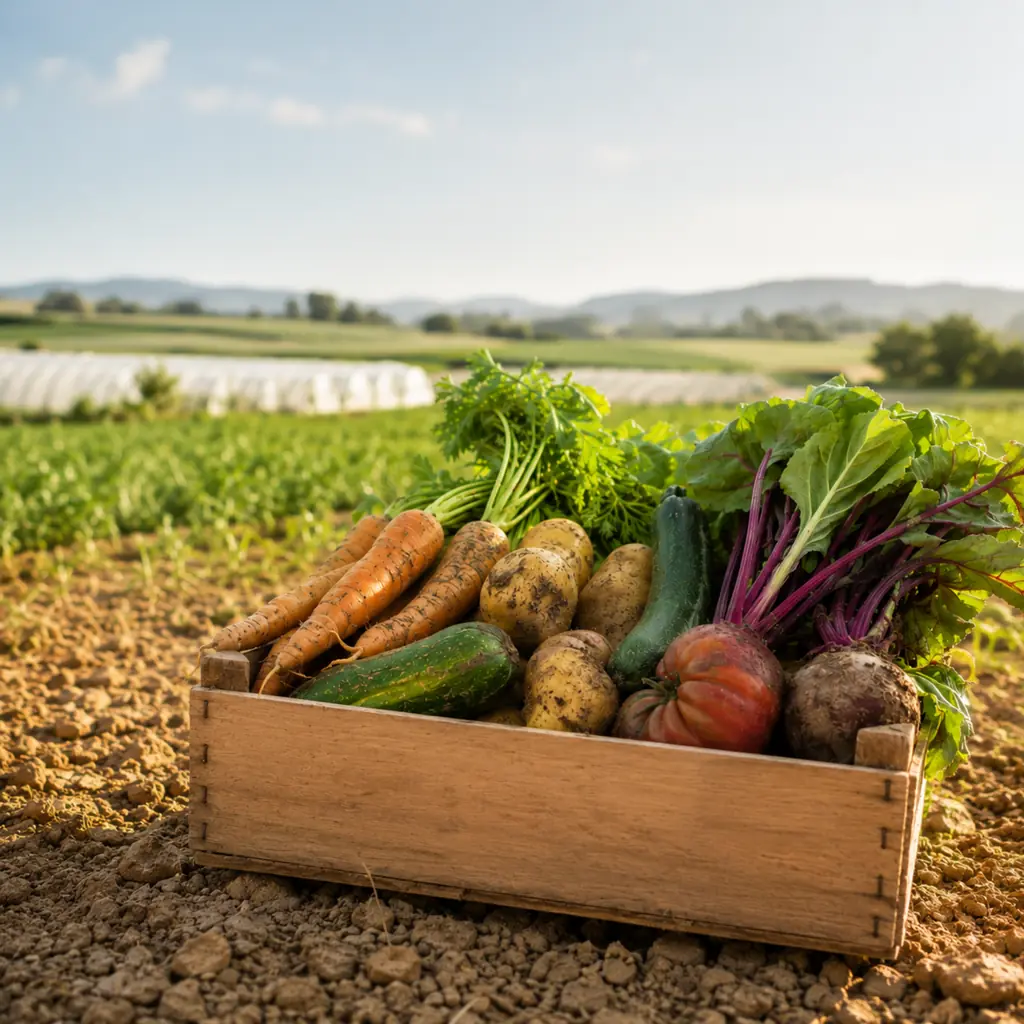
At UglyFruits, products leave the producer between Monday and Wednesday, are packed the same day, and delivered to you within 24 hours (if the postal service plays along!). This isn’t a marketing pitch — it’s a logistical fact with very real consequences for freshness and therefore useful shelf life at home.
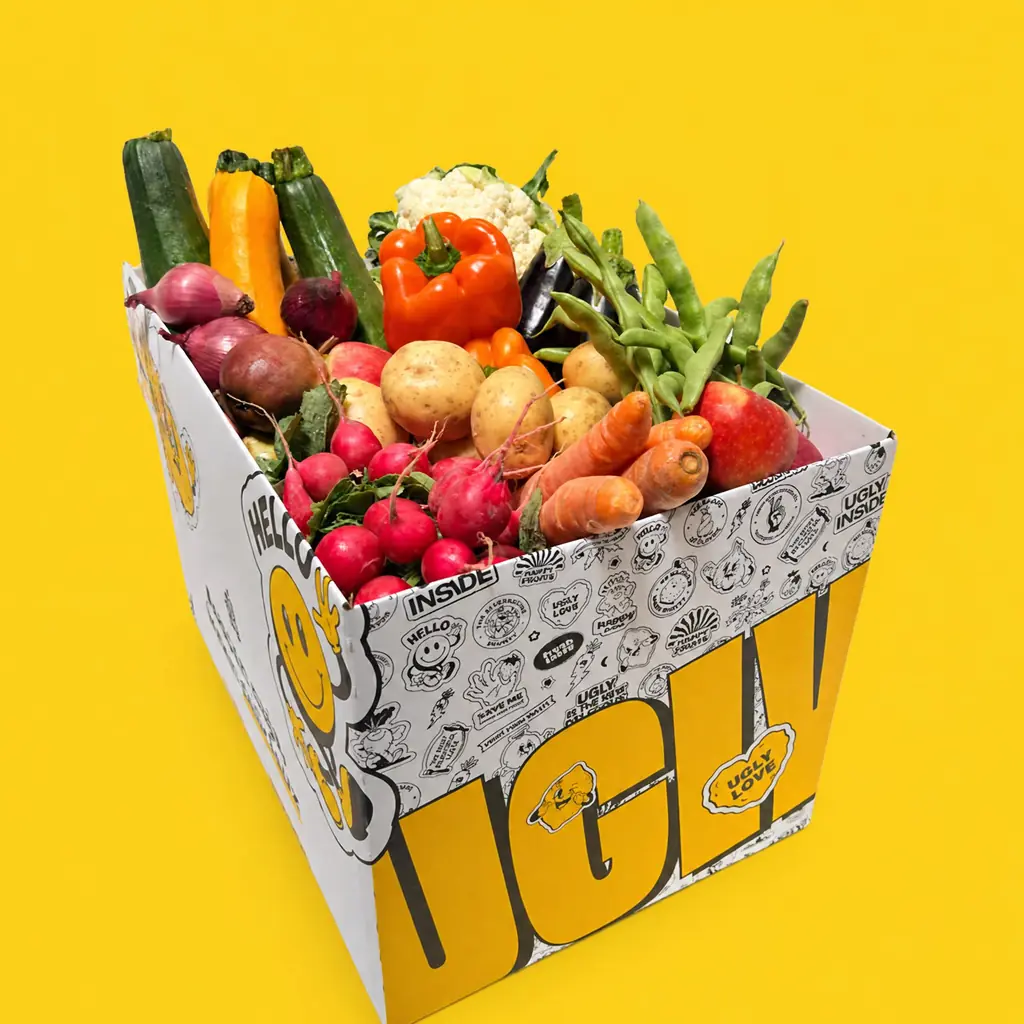
If you use 98% of your UglyFruits basket (which is what our customers report on average in our satisfaction surveys), your actual cost per portion consumed is structurally lower than with products you waste at a rate of 25 to 30%. Do the math on all your weekly purchases.
We’re not saying we’re always cheaper. We’re saying the comparison deserves to be complete. What you’re not paying for with your UglyFruits basket – The margins taken at every level of a distribution chain with 5 intermediaries – The costs of unsold products passed on in the prices of large retailers – The depreciation of products after 7 to 14 days of shipping – The systematic plastic packaging of fresh produce aisles
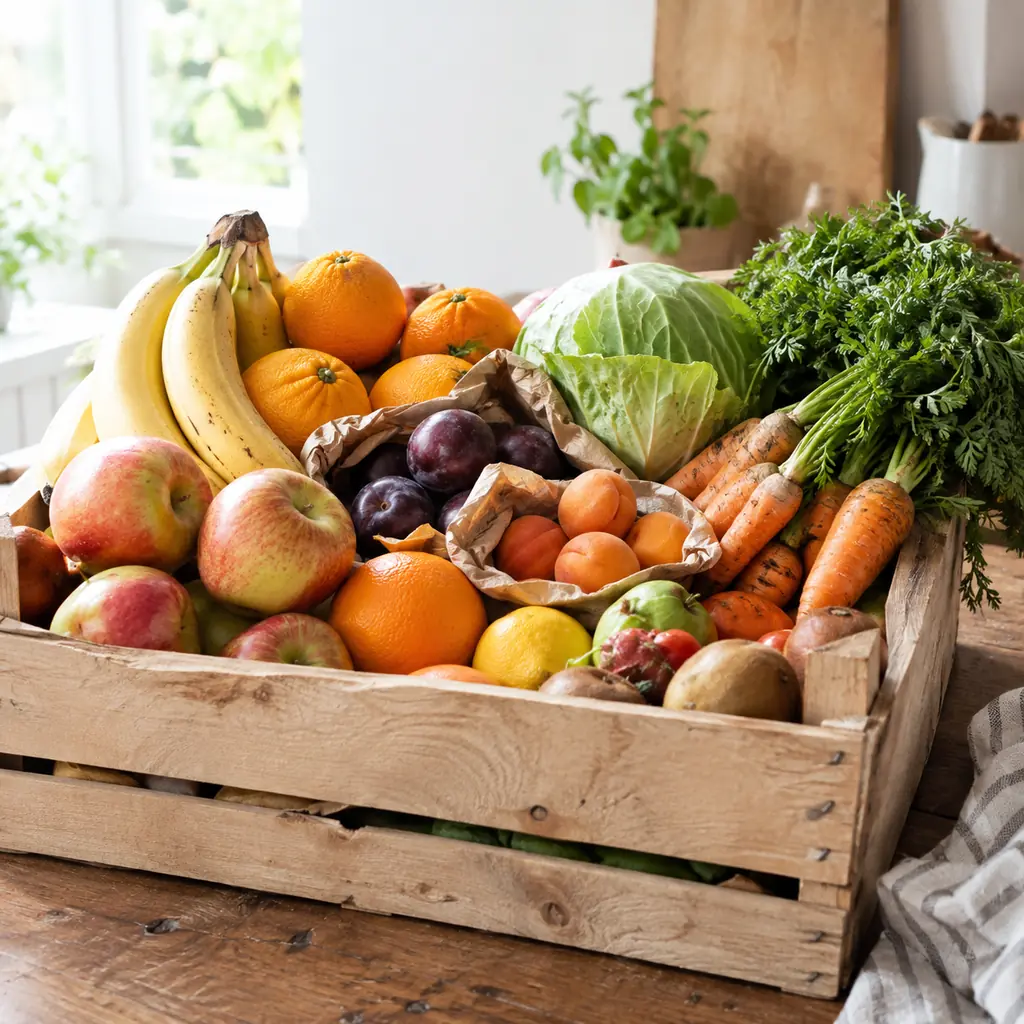
Comparing our prices to a supermarket’s means comparing two fundamentally different models. We’d rather explain this clearly than let you compare apples to oranges — even though oranges, as it happens, we’ve had some beautiful ones these past few weeks ;-)