It's getting hot, the fridge is full — now what?
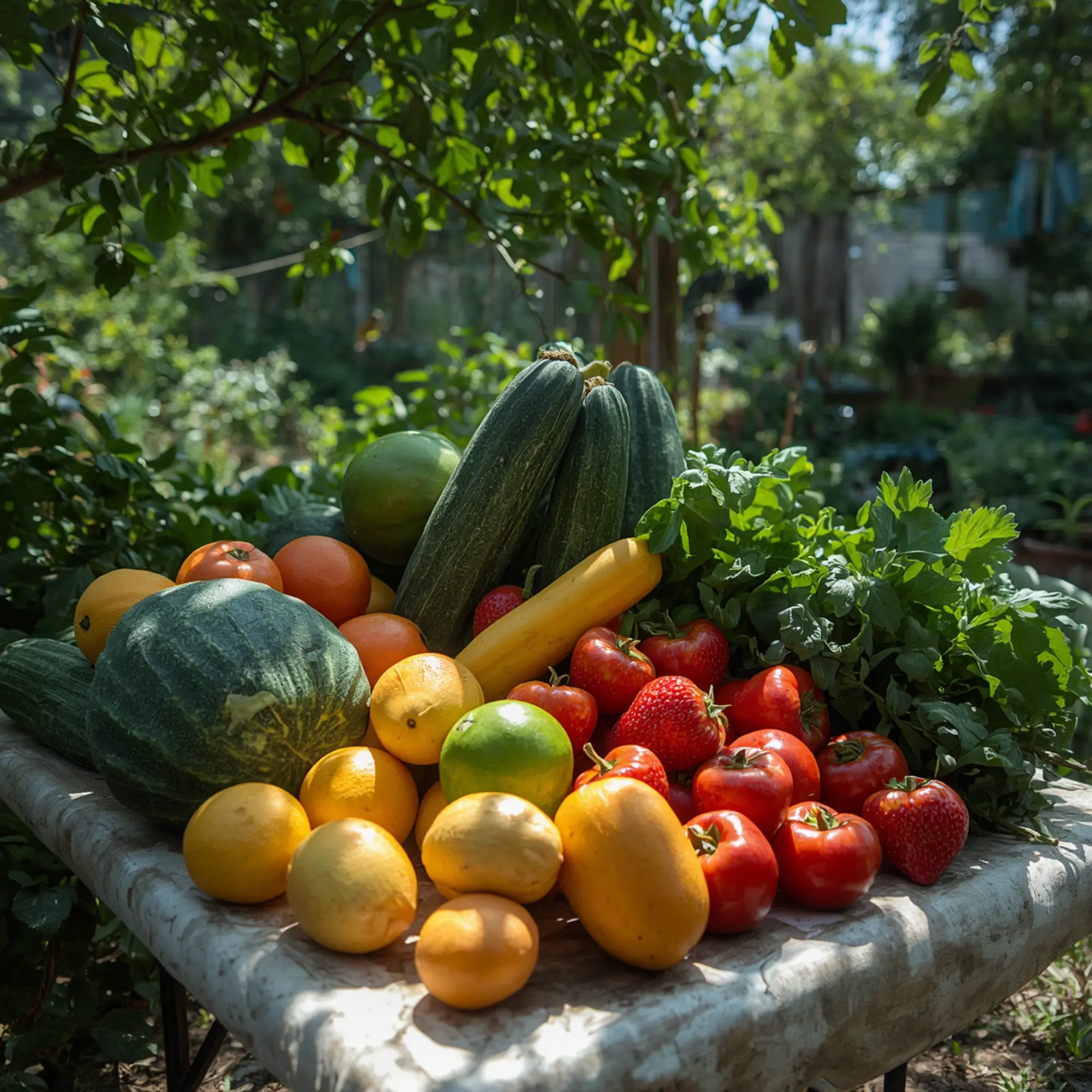
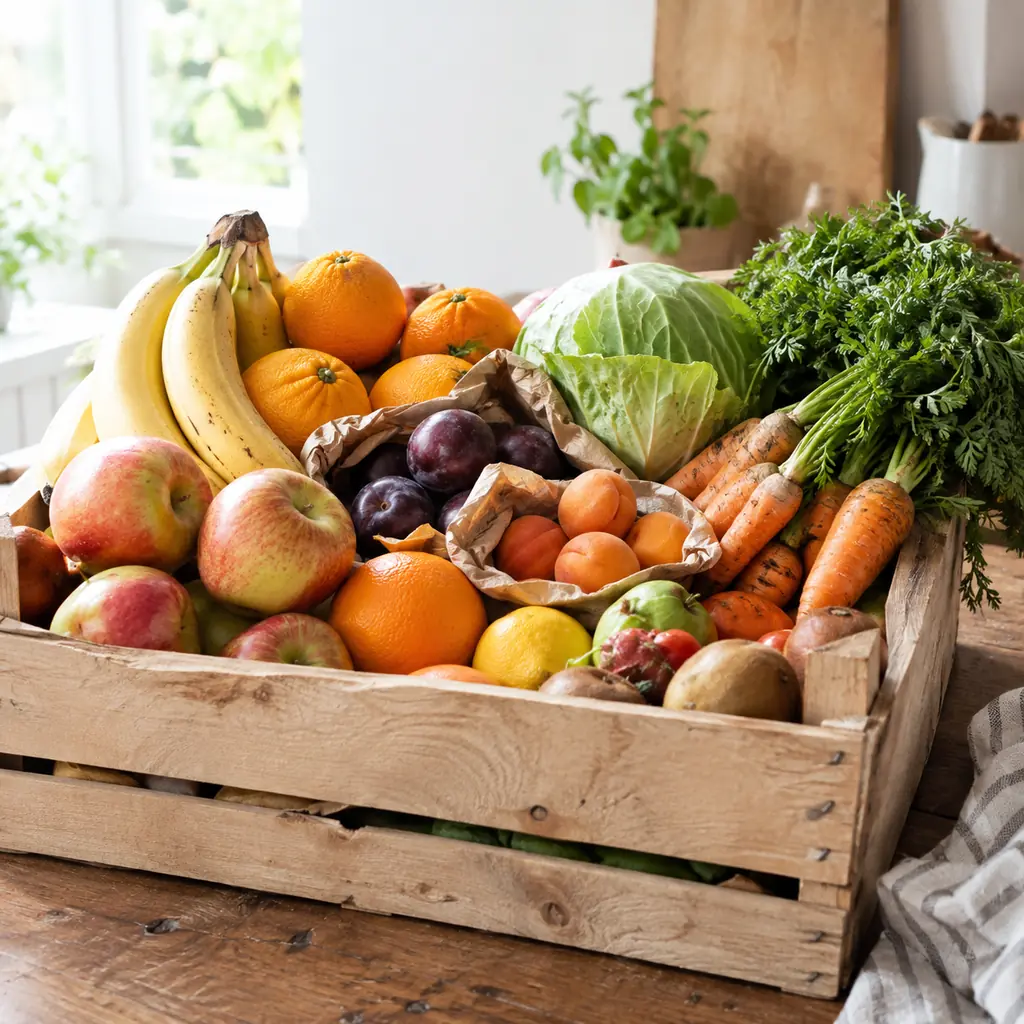
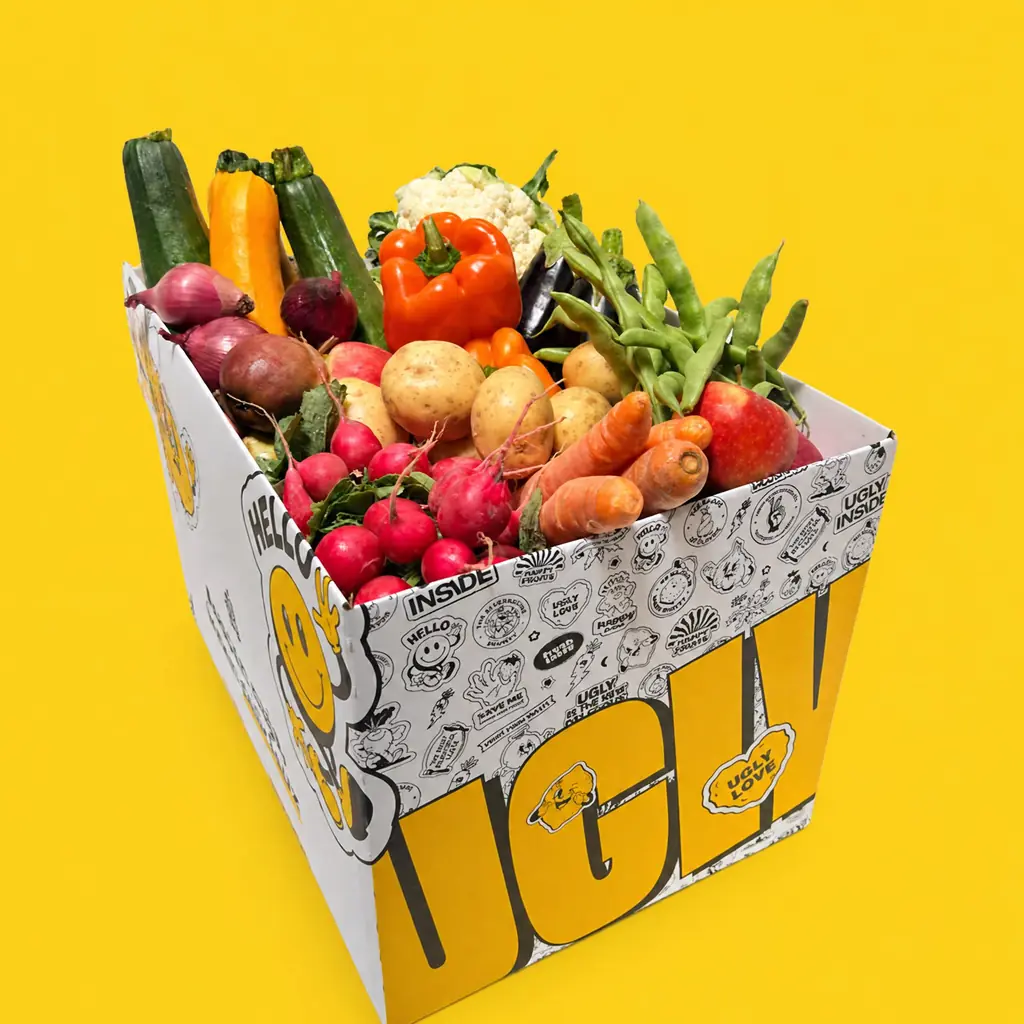
No garden, no cellar, a fridge that's already packed, and warmer temperatures on the way — welcome to the storage puzzle of hotter days. Good news: there are simple solutions, often free, and your organic veggie basket can make it through the week without breaking a sweat.
Let’s start with a basic principle that’s often forgotten: heat speeds up ripening, but it doesn’t kill food instantly. What really kills vegetables and fruits is the combination of heat + humidity + direct light. Eliminate one of these three factors, and you gain days.
First: not everything belongs in the fridge — and that’s perfectly fine
Before trying to cram everything into the vegetable drawer, let’s remember that quite a few fruits and vegetables have no business being in the fridge. The cold damages them more than it preserves them. Take advantage of this: they can safely stay outside the fridge.
Never in the fridge
Tomatoes, avocados, bananas: Cold blocks their ripening and irreversibly alters their taste and texture. Keep at room temperature, in a ventilated spot.
Fridge unnecessary while whole
Onions, garlic, squash, potatoes: These tubers and bulbs love darkness and dry air. A dark cupboard suits them better than the fridge — which softens them or makes them sprout faster.
Fridge only if cut
Cucumber, zucchini, eggplant: Whole, they hold up well at cool temperatures. Once cut, into the fridge in a sealed container.
Ripe fruit = fridge
Peaches, nectarines, apricots, plums: Let them ripen at room temperature — then as soon as they’re ready, pop them in the fridge to stop the ripening and gain 3–4 days.
The cool spots in your apartment — a mapping guide
Without a cellar or garden, every apartment still has its temperate zones, often untapped. A little observation is all it takes.
- The bottom of an interior cupboard
Far from windows and sun-exposed walls, this is often the most thermally stable spot in the apartment. Ideal for onions, garlic, squash, and potatoes in a ventilated crate.
14–18 °C
-
Hallway or entryway
Without direct windows, hallways stay cooler than the rest of the home. A vegetable crate on the floor, against an interior wall — that’s your substitute cellar.
16–20 °C
-
The kitchen floor
Heat rises. The floor is always cooler than the countertops. A simple bag or crate placed directly on the tile can make a 3–5 °C difference.
–3 to –5 °C vs countertop
-
Shaded balcony (morning or evening)
A balcony not exposed to direct sunlight can be cooler than an overheated apartment. Works for summer nights — tomatoes will do just fine there, covered with a cloth to avoid dew.
Depends on exposure
-
Under the sink (if ventilated)
Cool and dark — the winning combination for potatoes and onions. Just check there’s no residual moisture, which would encourage mold.
15–18 °C
The UglyFruits tip
A CHF 5.00 kitchen thermometer is all you need to map your apartment. Leave it for 30 minutes in each corner — you’ll be surprised by the differences. The coolest spot you find is your new “cellar.”
Optimizing the fridge: prioritize what really needs it
When it’s hot, the fridge becomes precious — and you need to be strategic. Here’s a simple hierarchy for deciding what deserves a cold spot first.
Priority 1 Fresh herbs, baby greens, strawberries, raspberries — last less than 48 hours at room temperature in summer
Priority 2 Lettuce, spinach, cut zucchini, berries — 2 to 4 days max without fridge in hot weather
Priority 3 Carrots, beets, leeks, cabbage — hold up well for several days in a cool corner
Not urgent Potatoes, onions, garlic, squash, tomatoes — outside the fridge in a dark, dry spot
Freeing up space in the fridge: simple steps
- Take the condiments (mustard, pickles, jams) out of the fridge — they don’t need it once opened if you go through them quickly. You’ll easily free up a shelf.
- Store carrots and beets in a damp towel in a bucket or crate in the shade — they’ll last a week without the fridge if they’re not washed.
- Firm apples and pears can stay 5–7 days outside the fridge if they’re not already very ripe. Kept separate from other fruits, they also slow down their ripening.
- Think about planning by urgency: cook what lasts the least first (herbs, lettuce, small fruits), save the rest for the end of the week.
Warning
Never put fruits that release ethylene (apples, pears, bananas, ripe avocados) together in a bowl or bag with vegetables or delicate fruits. Ethylene significantly speeds up their aging. Keep them separate, even outside the fridge.
Home preservation techniques that make all the difference
The damp towel — as effective as a vegetable drawer
Wrapping your carrots, turnips, celeriac, or beets in a slightly damp towel (not wet) and placing them in a crate in the shade maintains constant humidity around the vegetable. That’s exactly what the fridge’s vegetable drawer does — but without electricity.
Sand or sawdust — the market gardener’s technique
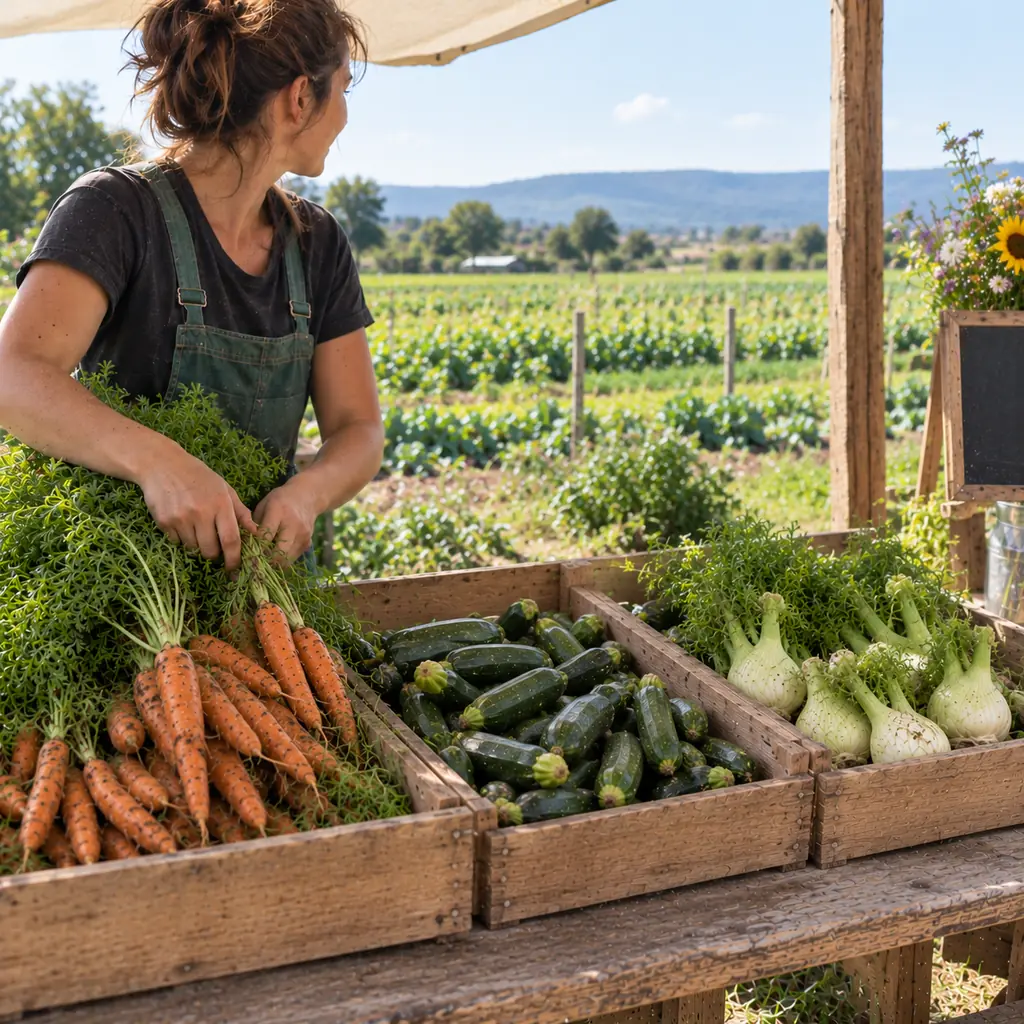
Market gardeners traditionally store carrots, parsnips, and beets by burying them in slightly damp sand. Same principle in an apartment: a sand box in a cool cupboard, and your organic carrots last for weeks. Not practical for everyone, but incredibly effective if you have the space.
Quick transformation — cook before it goes bad
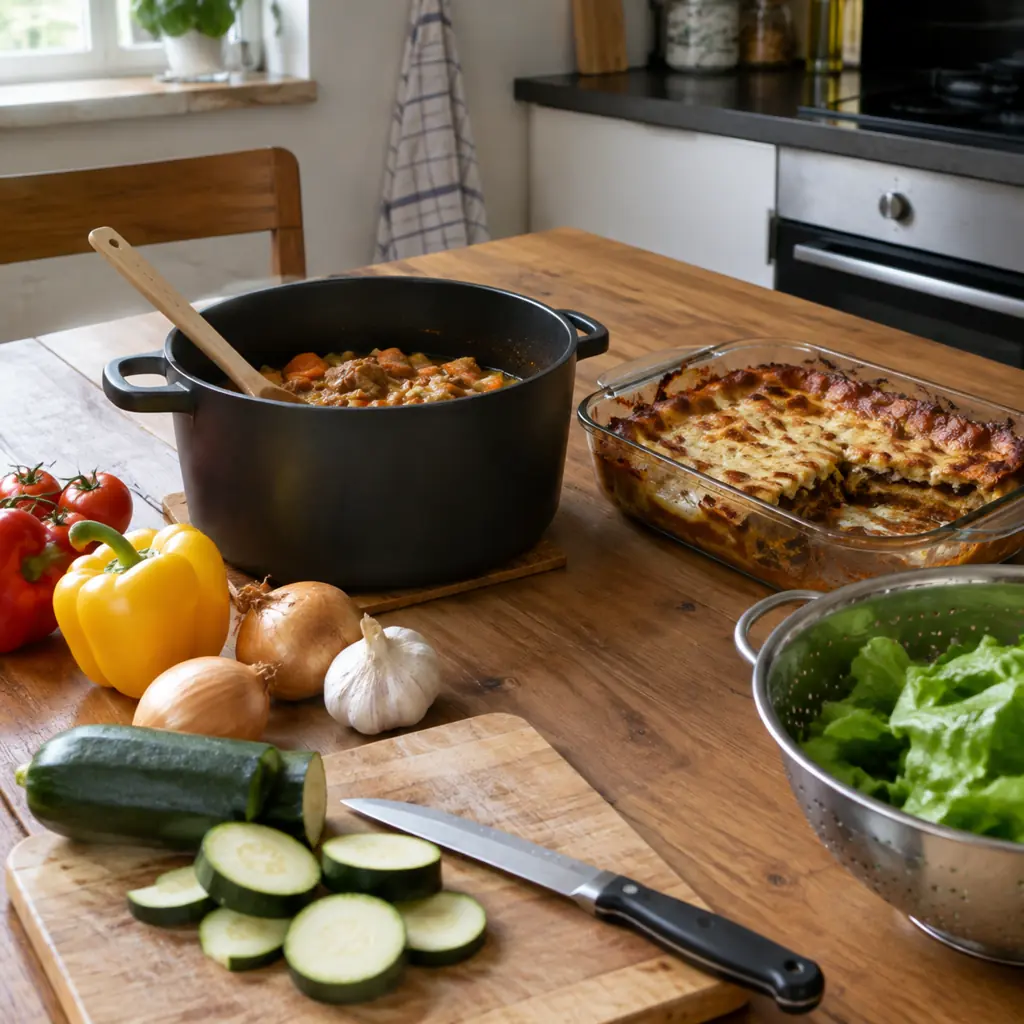
The best preservation is sometimes transformation. Tomatoes starting to soften? A coulis in 20 minutes, frozen in portions. Zucchini on the edge? A ratatouille keeps 5 days in the fridge and freezes perfectly. Herbs wilting? A pesto or herb butter frozen in an ice cube tray — and you’ve got portions for the whole fall.
Quick anti-food waste tip
An overripe fruit isn’t waste — it’s a smoothie, a compote, or a vinaigrette base. A limp carrot isn’t lost — it’ll make a perfect broth. Before throwing anything out, ask yourself what it could become when cooked.
Classic mistakes when it’s hot
- Leaving the basket bag closed after delivery. Air doesn’t circulate, humidity builds up, and everything goes soft twice as fast. Take everything out, store according to heat logic right away.
- Putting warm fruits and vegetables directly in the fridge — they raise the internal temperature and make the compressor work unnecessarily. Let them come to room temperature first.
- Believing the fridge can save everything. An overloaded fridge has poor air circulation and doesn’t cool evenly. Better to have less inside, better cooled.
- Neglecting the order of consumption. In hot weather, you need to eat the most fragile items first, not the most tempting ones. Herbs and lettuce come before carrots.
When the heat arrives, we favor vegetables that can handle it — tomatoes, zucchini, eggplant, beans. Organic, local, and built to last.