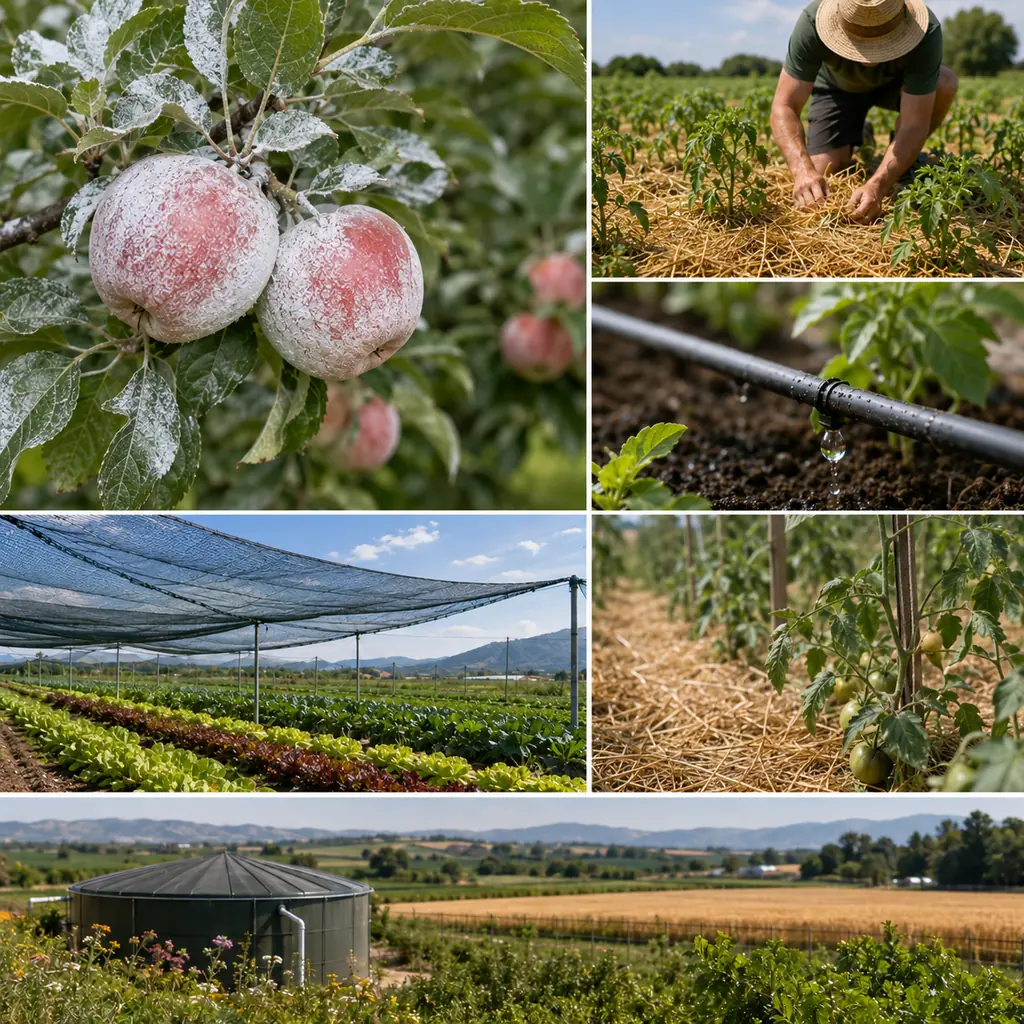
When it's hot, food waste unfortunately skyrockets!
Understanding the link between heat waves and food waste (and most importantly, how to deal with it). Summer isn't even here yet, but temperatures are already going haywire, and somewhere in your kitchen, a zucchini is quietly giving up the ghost. This is no coincidence. Heat and food waste make a terrible duo — and the numbers are staggering. But here's the good news: understanding the problem is already half the battle.
Heat: public enemy number one for fruits and vegetables
Deep down, we all know it: leaving peaches on the counter when it’s scorching hot is playing with fire (or rather, with the sun). But do you really know why and to what extent?
Fruits and vegetables are living organisms that continue to breathe after harvest. Heat accelerates this cellular respiration process — and therefore their aging. Above 77°F (25°C), degradation goes into overdrive. The enzymes that break down sugars and proteins work at full speed, microscopic fungi have a field day, and bacteria multiply. The bottom line: - A strawberry left at 86°F (30°C) degrades within hours. - An unrefrigerated cucumber loses its texture in two days.
And what about the supply chain? June 2025 is a perfect example. A persistent heat wave slowed down field production, altered harvest quality, and created a brutal imbalance between rising demand and declining availability. Radishes were burning at the tops. Raspberries became fragile right at picking. Producers were losing entire batches before they even reached the shelves.
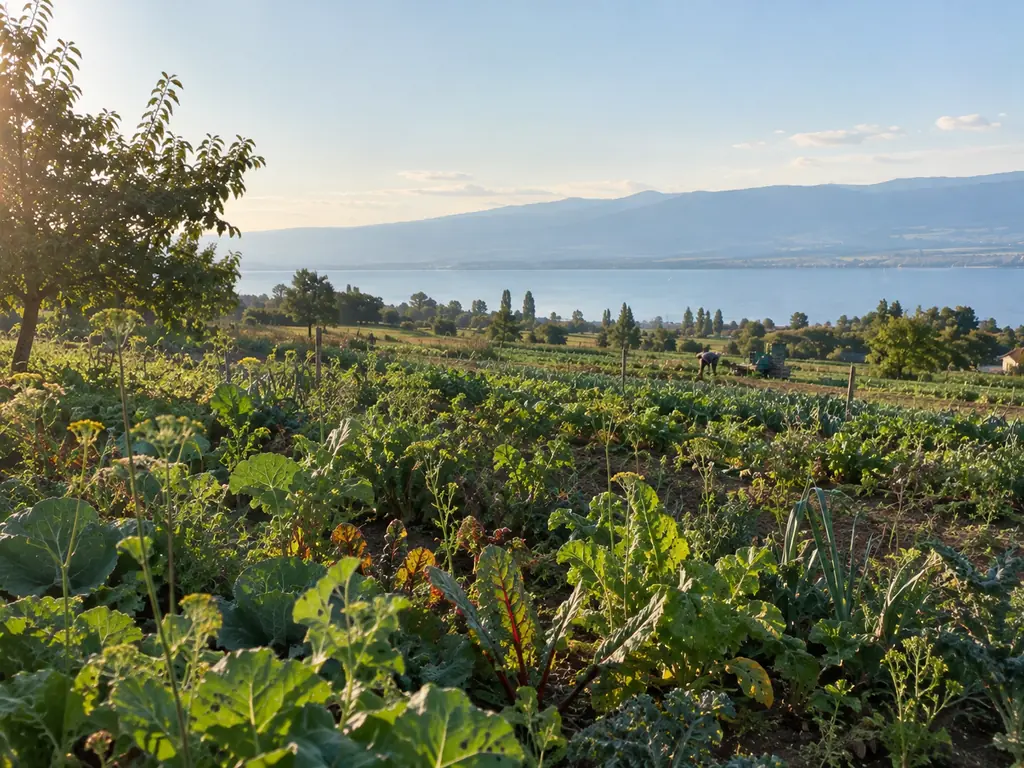
May 2026: when the heat wave strikes too early, everyone loses What you’re reading here isn’t theoretical. In late May 2026, while crops are still in full growth phase, an unprecedented heat dome settles over part of Europe, including Switzerland — with temperature anomalies reaching locally +27°F (+15°C) compared to seasonal norms. According to Inrae, such early timing is “unprecedented”: the first heat wave of 2025 didn’t arrive until late June. The 2026 one is hitting a month earlier, with radically different consequences — because crops aren’t at the same stage of their cycle. Source: INRAE, press conference of May 27, 2026 / Reporterre
The problem with early heat: everything arrives at once
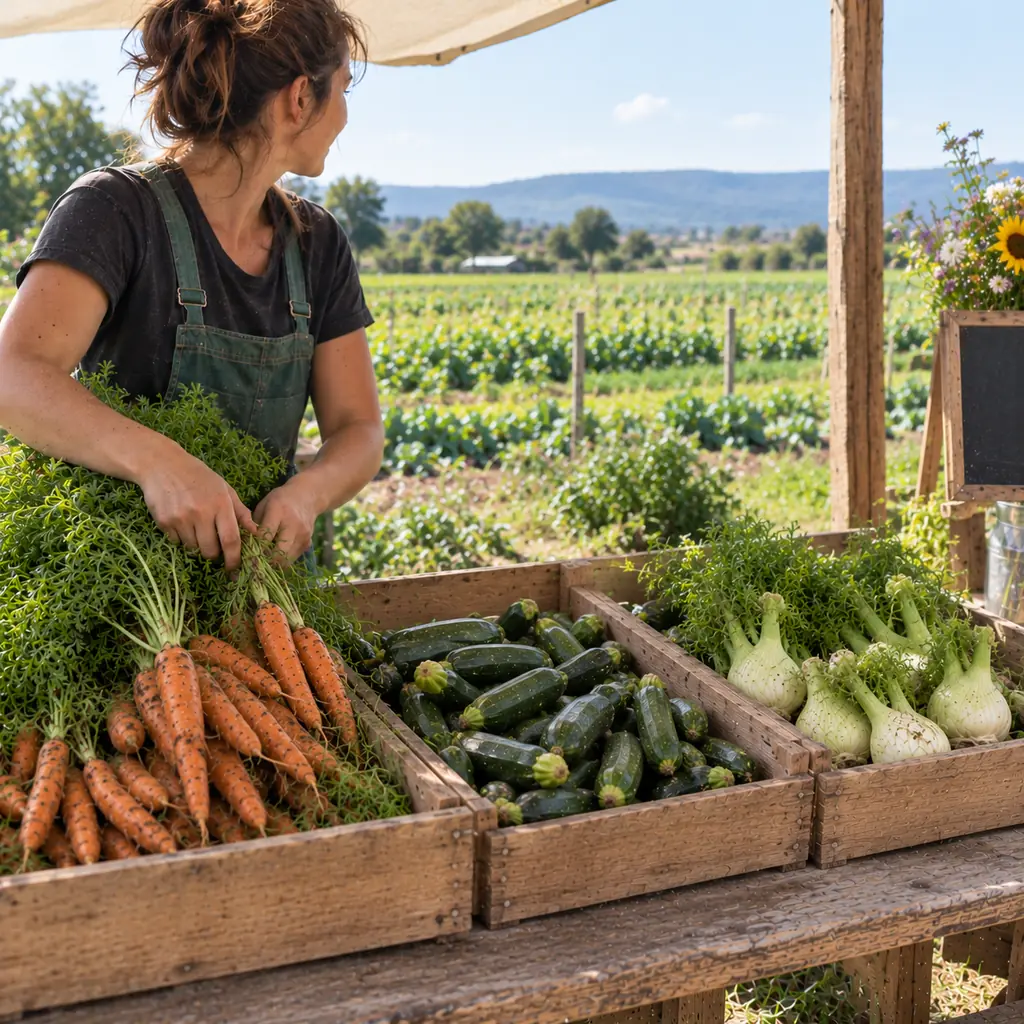
In a “normal” summer, producers manage harvests spread out over time. In May, it’s chaos: the heat simultaneously accelerates the maturity of all crops. Zucchinis that were supposed to be harvested over three weeks all arrive at once. Lettuces bolt before being picked. Radishes wilt under the heat. Apricots, cherries, strawberries — everything rushes in at the same time. This is what’s called climate-driven overproduction: not that farmers planted too much, but that the heat brutally concentrates harvests that should have been spread out. Markets are flooded with volumes that no one can absorb that quickly.
Flower abortion: months of work wiped out in days
Early heat has another effect, less visible but just as brutal. Above 95°F (35°C), most summer vegetables — tomatoes, zucchinis, eggplants, peppers — can no longer set their flowers. The flowers drop without producing fruit. This is called flower abortion. Above 100°F (38°C), cellular damage becomes outright irreversible. For market gardeners in full bloom in May, it’s potentially an entire season compromised. Seedlings that have just emerged from the ground, freshly transplanted plants without an established root system — none of this has the resilience needed to survive this type of thermal shock.
Wilting in the field before even being harvested
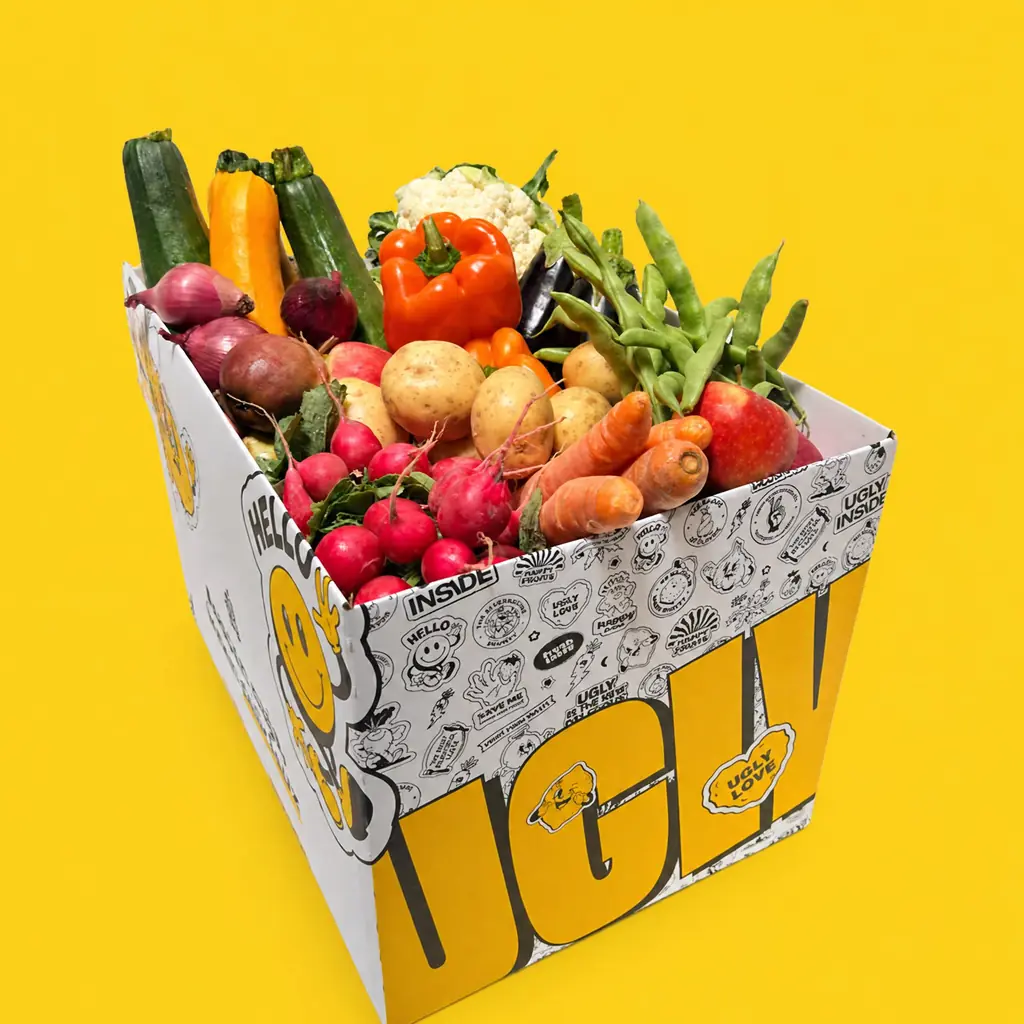
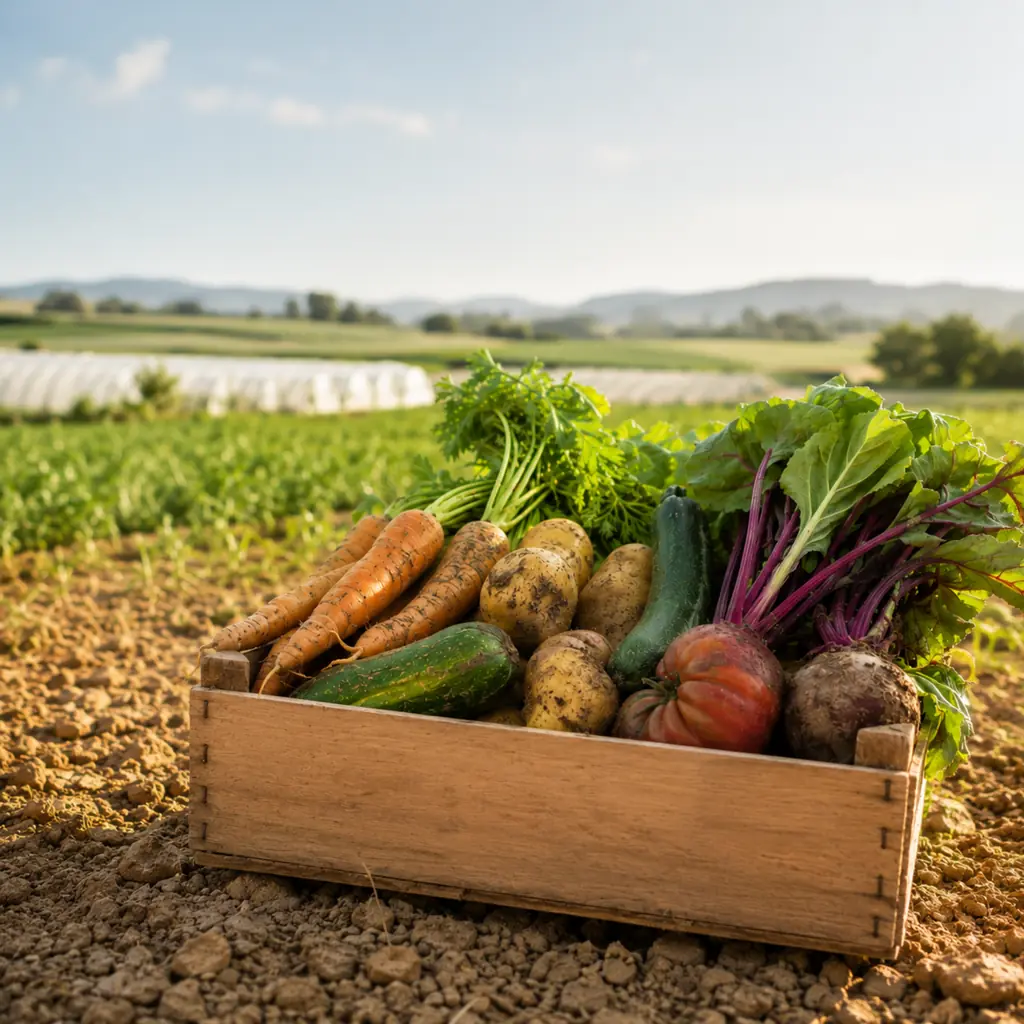
What doesn’t die from heat too early often ends up wilting before reaching commercial maturity. Lettuces bolt and become bitter within hours. Foliage dries out. Vegetable sizes become inconsistent — too big or too small — and no longer meet distribution channel standards. Result: entire volumes are left in the field or destroyed, not because they’re bad, but because they no longer fit the system’s boxes. This is precisely where UglyFruits’ role makes perfect sense: recovering these “non-standard” products before they end up in the dumpster.
The numbers that send chills down your spine (and heat up your kitchen) Globally: • 450 million tons of fruits and vegetables wasted each year worldwide — it’s the most discarded category, far ahead of grains or meat. • Fruits and vegetables represent 25% of vegetables and 12% of fruits wasted globally at the production level. Source: FAO
In Switzerland, our home turf • 2.8 million tons of food wasted each year in Switzerland — that’s 37% of all the country’s food production. Source: FOEN, 2025 / WWF Switzerland • 330 kg per person per year — the equivalent of about a quarter of greenhouse gas emissions related to our diet. Source: FOEN, 2025 • 34% of fruits and vegetables purchased in Switzerland end up in the trash. Source: WWF / Foodwaste.ch. • At least two-thirds of these losses are avoidable — these foods could have been consumed if they had been used in time. Source: FOEN, cited by Fondation Partage • 11% of Swiss agricultural production is discarded from the start — two-legged carrots, bumpy apples, anything that doesn’t meet the aesthetic standards of distribution. Source: Le Temps / Federal Office for Agriculture
Heat + poor storage = catastrophic combo
Let’s get practical. Because the problem isn’t just what happens in the fields or in distributors’ cold storage — it’s also what happens at your place ;-)
Classic mistakes (and we’ve all made them)
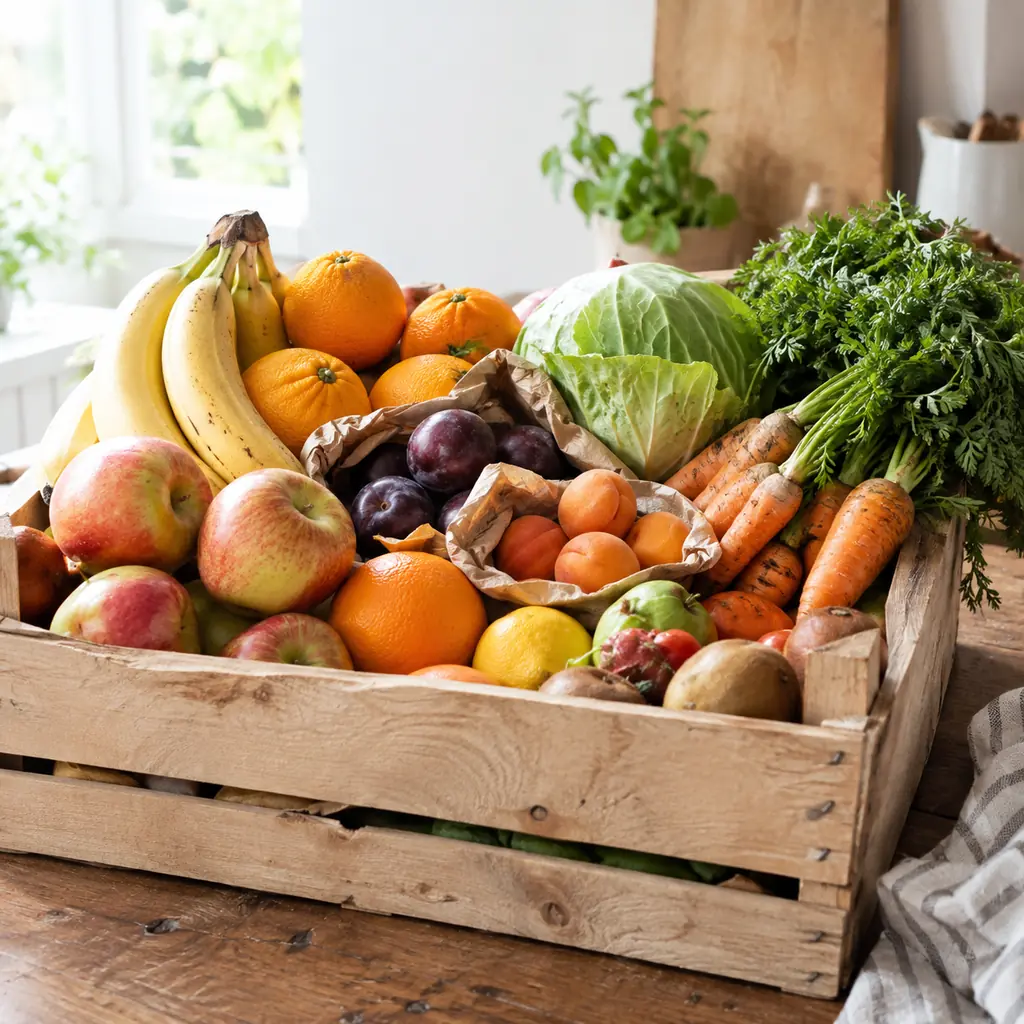
•Putting tomatoes in the fridge: they lose their flavor and texture. A tomato loves life at room temperature, in the shade, stem side up. •Piling fruits in an overflowing bowl: the weight crushes the most fragile ones at the bottom, accelerating their decomposition. •Mixing fruits and vegetables: some fruits release ethylene, a natural gas that speeds up the ripening of everything nearby. • Buying in large quantities without a plan: in summer especially, weekly planning is your best anti-waste ally. (Perfect timing! With UglyFruits, you know the contents of your next basket in advance :-) !)
Good habits for summer
• Opt for ventilated storage — a wicker or wire basket — rather than an opaque bowl. • Place two cork stoppers cut in half in your fruit basket: cork absorbs moisture. • Refrigerate quickly anything that’s cut or opened. • Freeze without hesitation: zucchinis, peaches, herbs — almost everything can be frozen, especially if you feel you won’t use it all in time.
Best before dates: the misunderstood number that costs tons of good products
We can’t say it enough: the best before date — “Best before…” — isn’t an expiration date. It’s an indication of optimal quality. After this date, the product may slightly lose texture, taste, or color — but it remains perfectly edible. • For dried legumes? You can easily count an extra year. • For canned goods? Several years. • For pasta and grains? Same thing. And yet, entire batches are removed from distribution channels only because the best before date is “too short” for the logistics timelines of large retailers. It’s absurd. That’s exactly why we’re here ;-)
In summary (for those skimming in the heat)
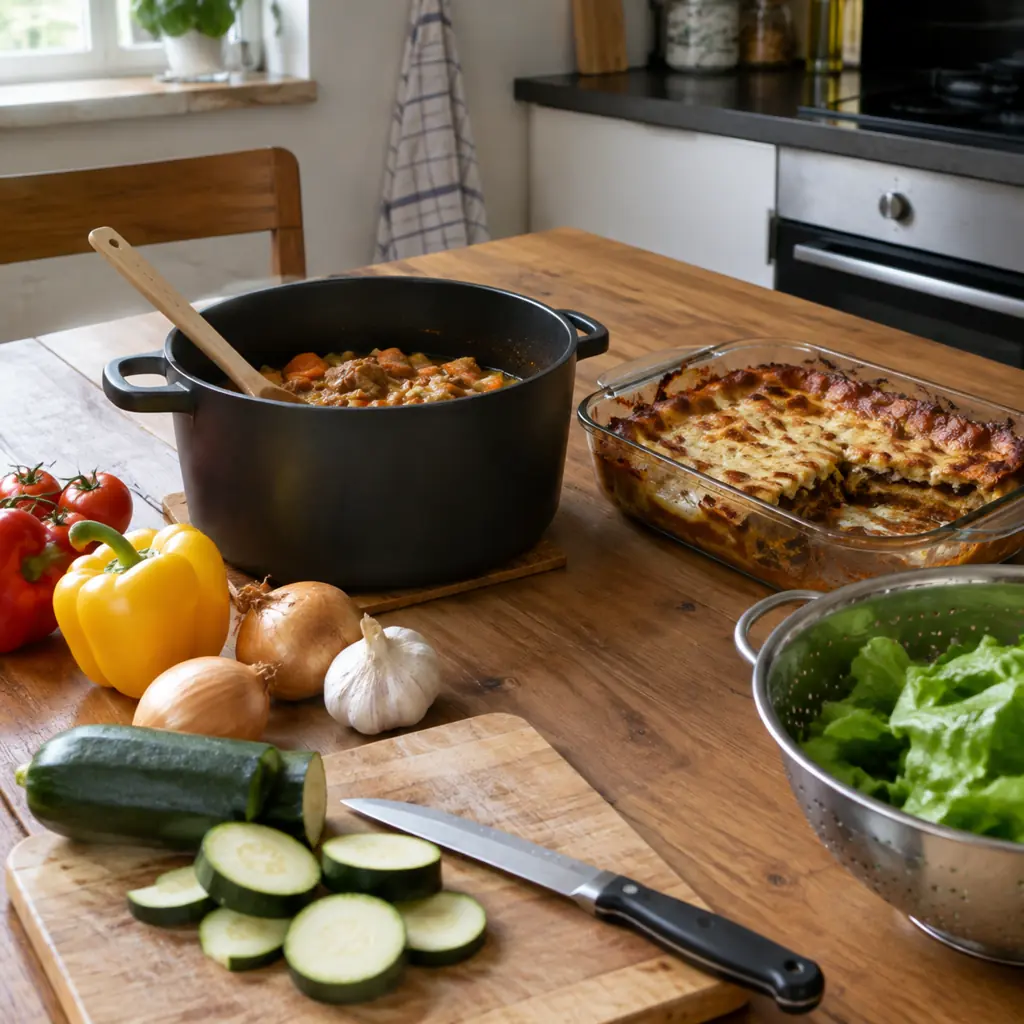
• Heat accelerates the degradation of fruits and vegetables — every extra degree means less quality and more waste. • A few simple actions are enough to drastically reduce your personal food waste, especially in summer. And if your zucchini has started looking a bit off, the recipes on our site are there for it!