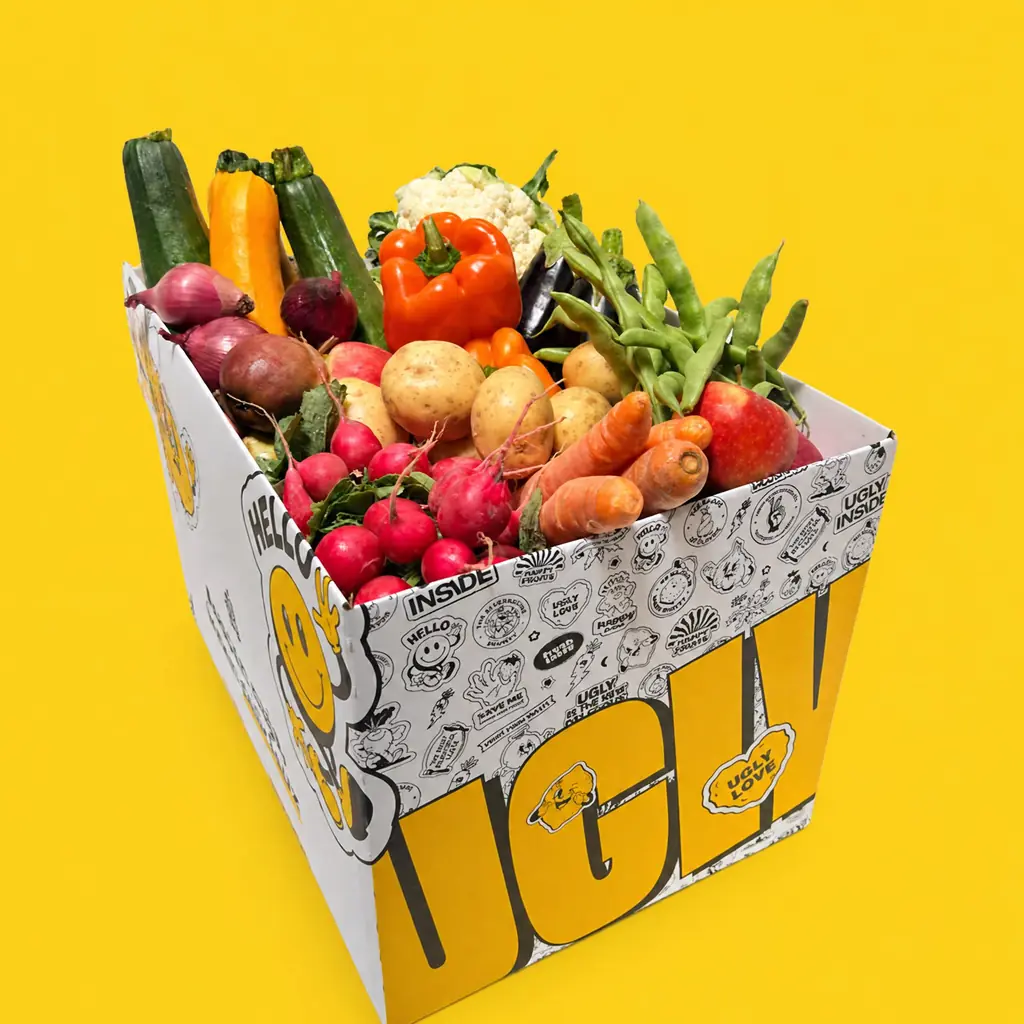
How we put together our baskets in winter
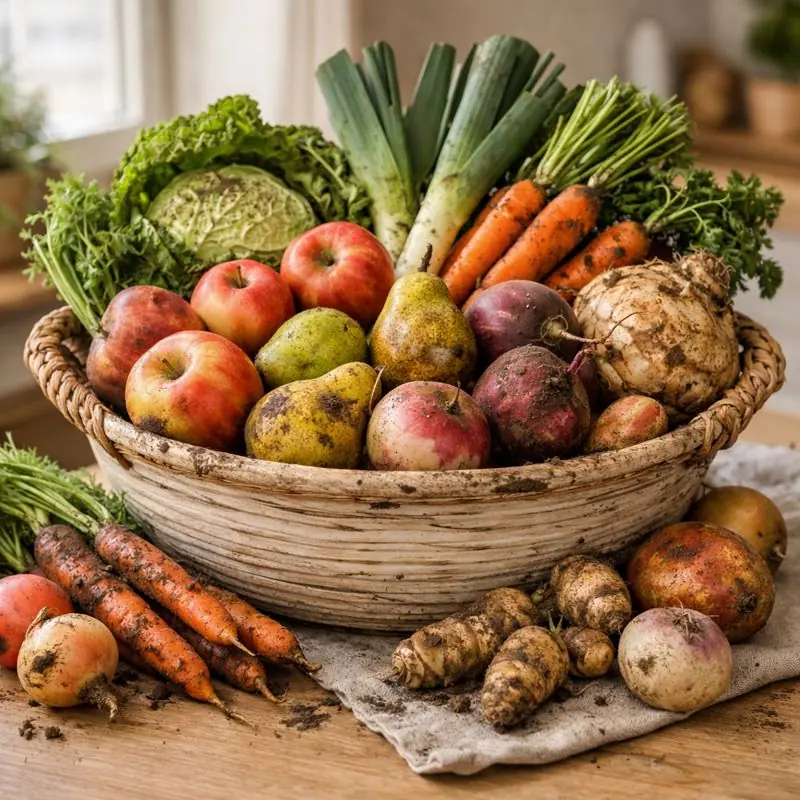
As you know, we love transparency as much as we love ugly veggies (....as long as they taste great!). So today, we're explaining why, in winter, your basket's contents may sometimes differ slightly from what was announced in the email, and why you can still enjoy it with a clear conscience. Spoiler: it's not random, and it's not improvised.…It's simply nature at work!
Winter, the season of living things (and the unpredictable)
In summer, nature is generous, stable, almost predictable. In winter? It does what it can!
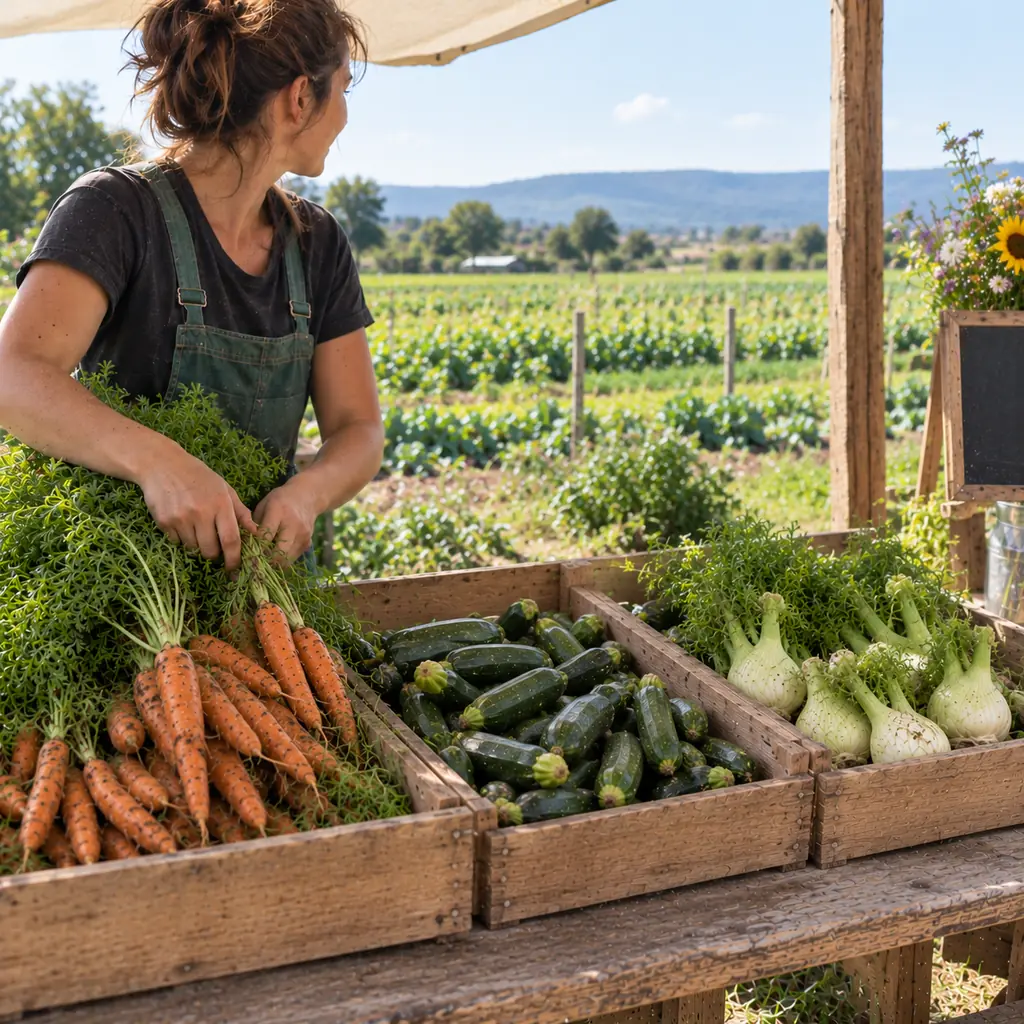
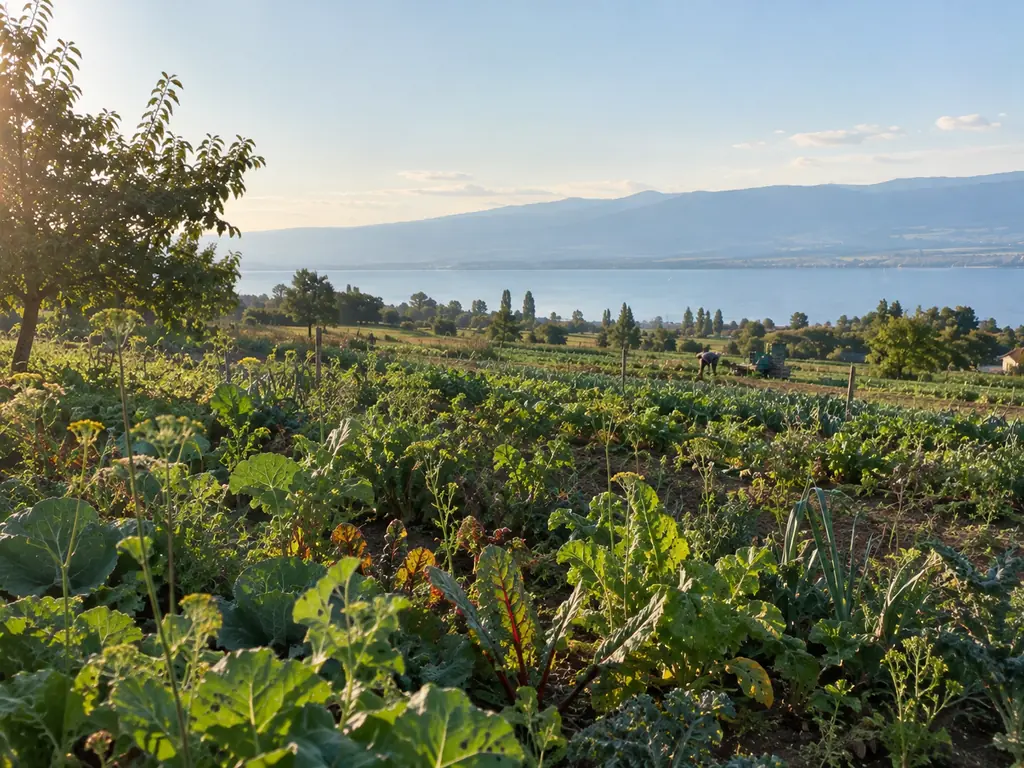
Less light, more cold, more humidity. Harvests are more fragile, volumes more fluctuating, sizes more irregular. A field might promise carrots on Monday… and only deliver half of them by Wednesday.
The result: between the moment the composition email is sent and when the baskets are actually prepared, the reality on the ground can change.
When reality changes, we adapt
Changing the composition means avoiding waste
Our priority remains the same all year round: save as many fruits and vegetables as possible, without forcing nature.
Rather than:
- delivering damaged or mediocre quality products,
- or canceling entire volumes,
we sometimes choose to replace one product with another, always in season, always organic, always aligned with our anti-waste commitment.
Yes, your basket may change slightly.
But no, it never loses its purpose.
Whenever possible, an email is sent to let you know about the change in composition.
Why are there more imported fruits and vegetables in winter?
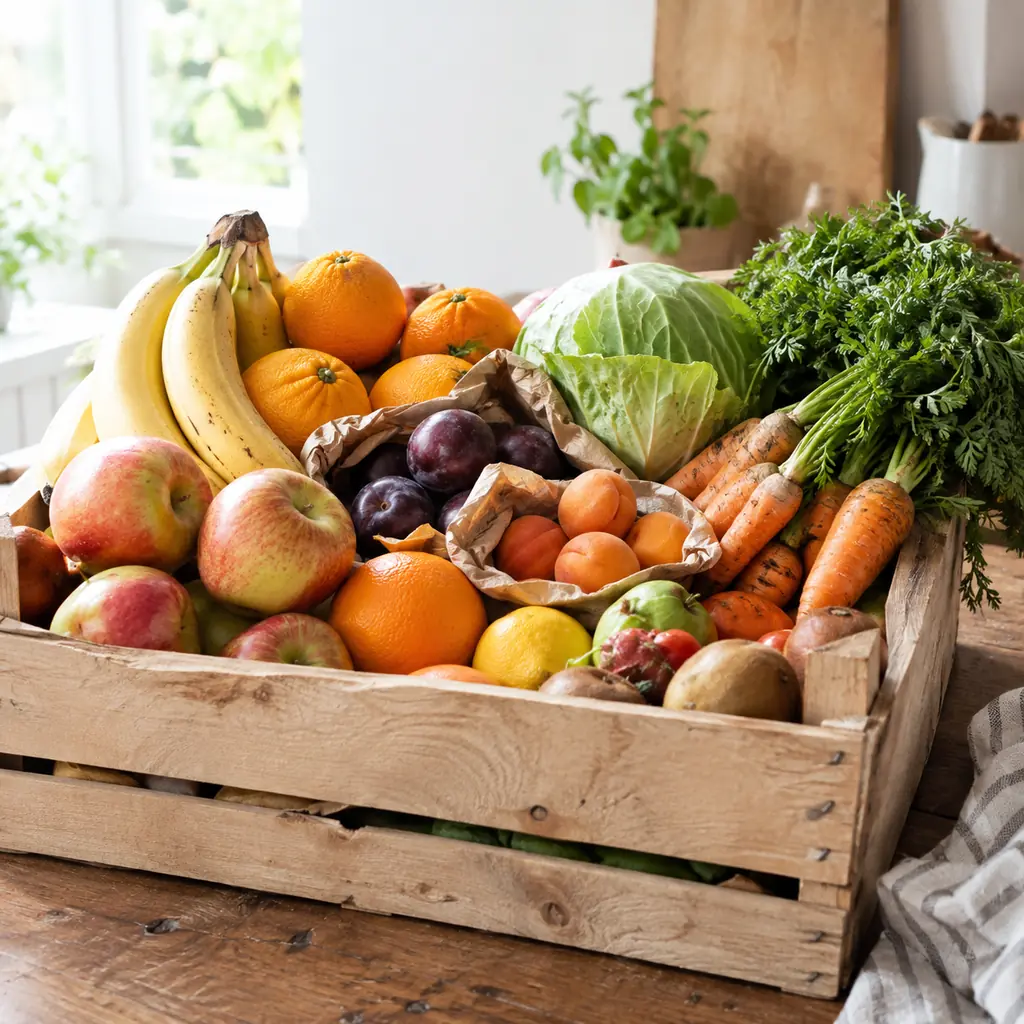
We want your baskets to stay colorful and surprising all year round! Even in the middle of winter, we want to offer you 3 fruits and 11 vegetables that vary, not just potatoes and carrots! As Swiss production naturally slows down with the cold, some varieties aren’t available locally. So we make the choice to offer imported products, rarely more than 3. Don’t worry: our imported products come exclusively from carefully selected Swiss suppliers, with the same strict organic standards and the same authentic taste you expect.
In these cases, we make a conscious (and deliberate) choice:
- Organic products
- From production areas as close as possible
- From identified supply chains that are committed and respectful of soil, water, and people
Our rule is simple:
import when necessary, but always responsibly.
The result: your baskets stay varied, delicious, and… 100% organic, even when the snow is falling outside.
Transport vs. production: putting things in perspective
Often, transport is considered the main culprit for carbon footprint.
In reality, the majority of a fruit or vegetable’s CO₂ emissions come from its production phase, far more than from its transport.
This means that:
- crops suited to their natural climate,
- grown in open fields,
- in sustainable production areas,
can have a lower environmental impact than local crops forced out of season (heated greenhouses, high inputs, heavy energy consumption).
We therefore look at the overall impact, taking into account farming practices, actual seasonality, and the sustainability of supply chains.
In short: living baskets, just like nature
In winter, our baskets are sometimes a bit more surprising.
But they’re also:
- more honest,
- more respectful of living things,
- more consistent with our mission
We prioritize Swiss products as much as possible, but some weeks, the compositions may feature a higher number of imported products.
Fighting food waste doesn’t mean freezing nature into an unchanging calendar. It means accepting that it’s imperfect, ever-changing, and deeply alive.
Thank you for being one of those who understand that true anti-waste also means flexibility, discernment, and trust!