Why are our products better than supermarket ones?
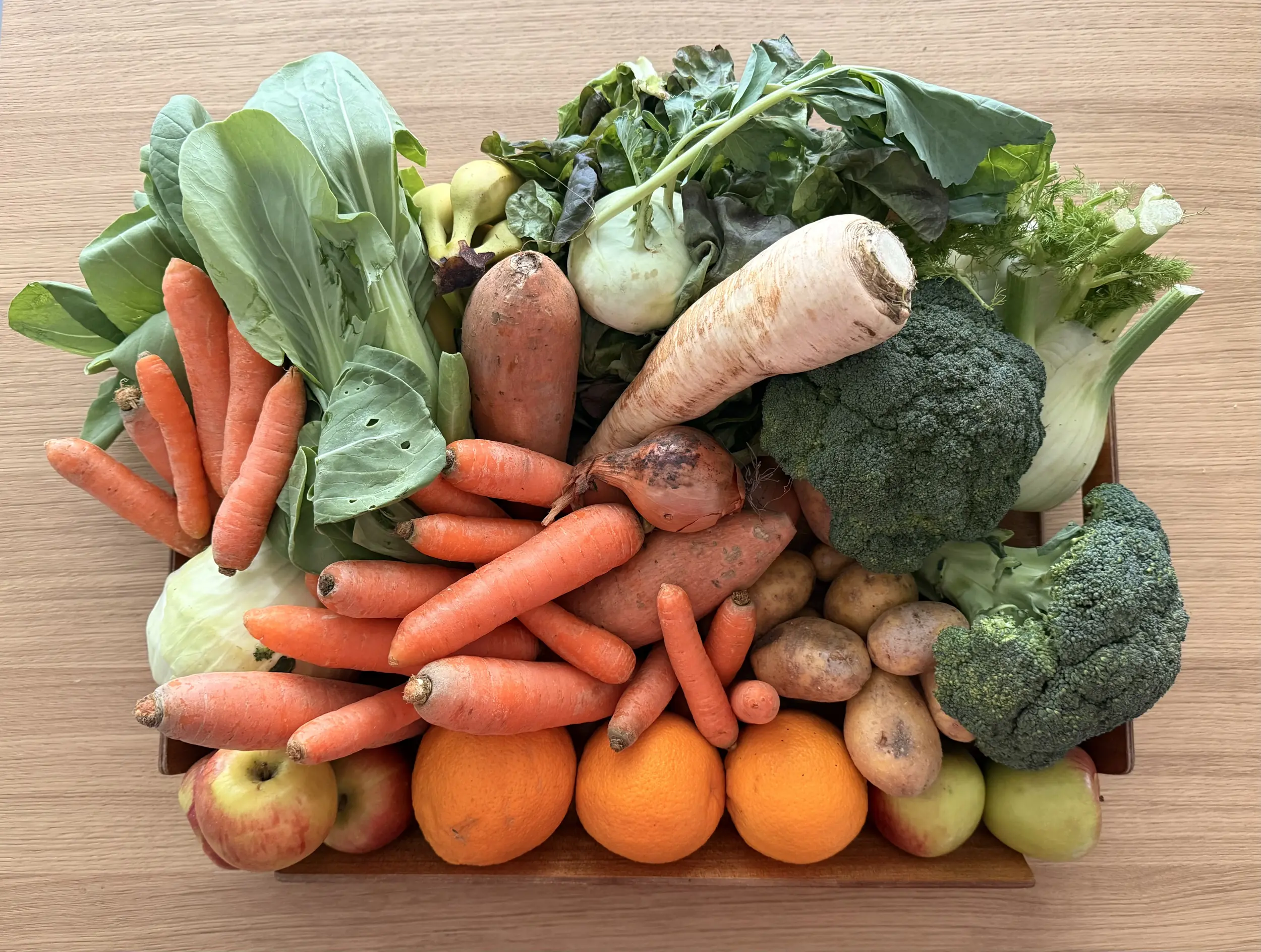
It's not about marketing. It's about the model. How a vegetable is grown, stored, transported, and delivered directly determines what ends up on your plate. Here's how we think through every step.
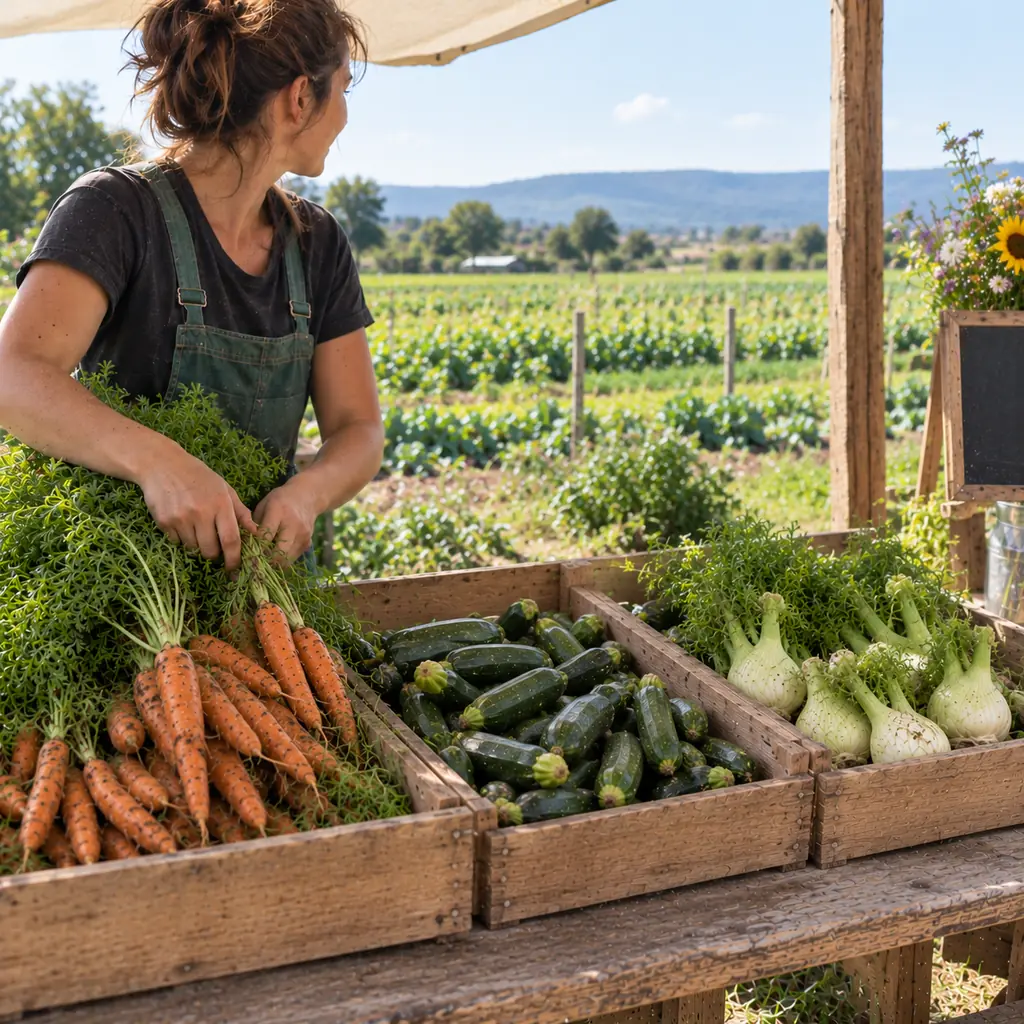
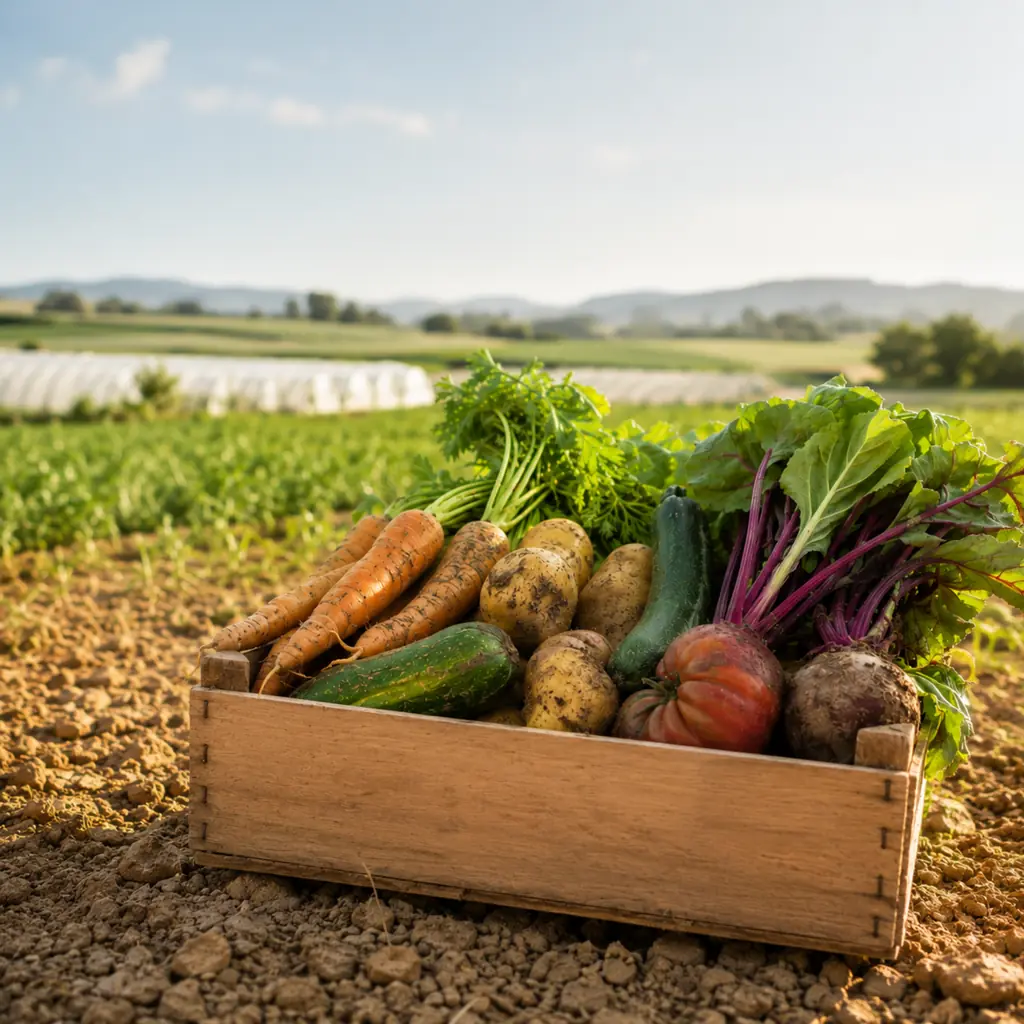
From the soil to your table, with no cold storage pit stops or detours through the grand illusion!
Producers who choose life
All our producers are certified organic. But beyond the label, what led us to choose them is their way of growing — and storing.
Where conventional industrial farming often standardizes the use of cold storage right after harvest, several of our partners practice natural preservation methods that respect the physiological rhythm of plants:
- Sand storage for example for carrots, celeriac, beets: natural moisture retention, no thermal shock, preservation of crunchy texture. - Earth silo or unrefrigerated cellar storage for potatoes: stable temperature between 6 and 10°C, no fluctuation, no artificial light. - Just-in-time harvest and delivery for leafy greens, aromatic herbs, and tomatoes: straight to the basket, with no cold storage in between.
These methods aren’t just traditional. They’re scientifically validated as superior for preserving flavor and texture, when properly mastered.
Source: Agroscope — Post-harvest vegetable storage: comparative methods, 2021
Why cold storage degrades your vegetables
Industrial cold storage is designed to extend commercial shelf life — not to preserve taste quality. Several negative effects are documented:
- Repeated thermal shocks (harvest → cold → transport → room temperature shelf → home) damage cell walls and accelerate texture loss.
- Some fruits and vegetables (tomatoes, zucchini, eggplants) are sensitive to temperatures below 10°C: cold storage inhibits flavor development.
- Alternating artificial light / darkness in cold storage disrupts the post-harvest processes of certain plants.
- The low relative humidity of industrial cold rooms causes progressive dehydration of vegetables, noticeable in their texture.
Source: Postharvest Biology and Technology — Cold chain effects on vegetable sensory quality, 2021
A tomato isn’t designed to sleep at 4°C. It’s designed to ripen. Our producers respect that.
Our chain: from harvest to your door in 24 to 48 hours
Here’s exactly how our logistics model works, week after week:
- Monday, Tuesday, Wednesday morning: direct collection from producers, within an optimized radius to minimize transport time.
- During the day: manual sorting, basket composition based on arrivals, packaging in suitable boxes.
- That same evening: handover to Swiss Post for Postpac Priority shipping.
- The next day: delivery to your home according to the tracking information in your Swiss Post “parcel tracking” account.
This model is radically different from that of large retailers, where a vegetable can spend 5 to 14 days between harvest and your basket — passing through 3 to 5 intermediate warehouses.
Producers chosen for their commitment, not just their certification
The organic label guarantees the absence of synthetic pesticides and GMOs. It doesn’t guarantee passion, daily attention to plants, or the desire to grow varieties that taste superior rather than varieties calibrated for supermarket shelves.
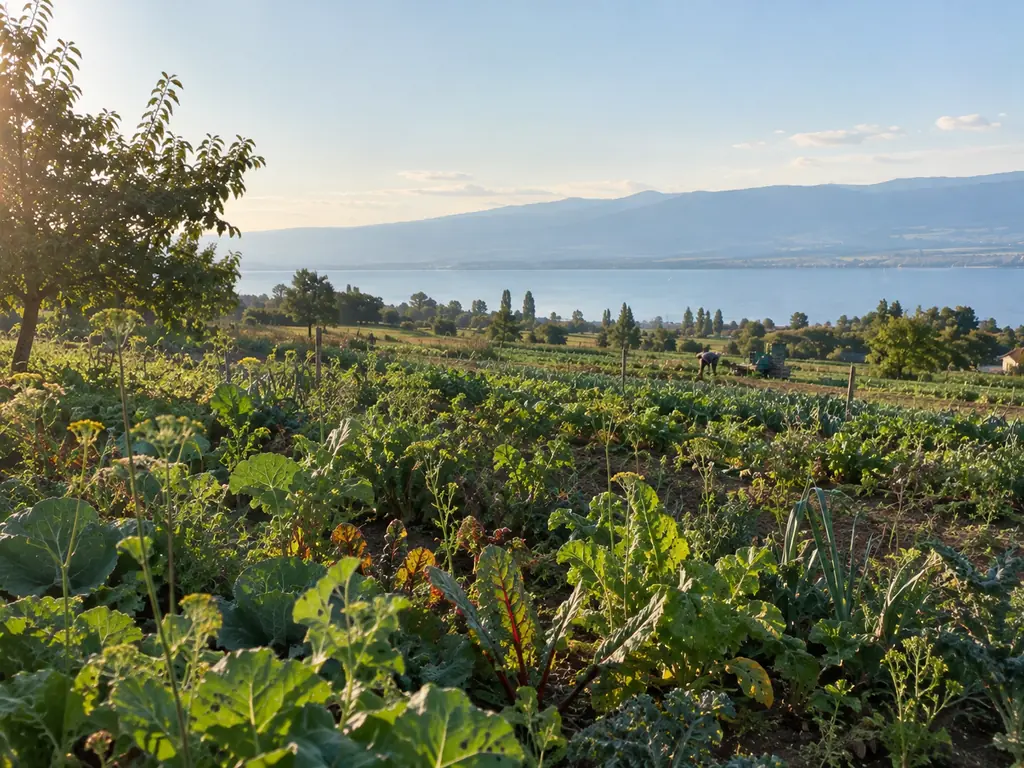
Our producers are market gardeners who observe their crops, who know every plot, who know when a tomato is ready — not because a machine tells them, but because they’ve been watching it grow from the start. This expertise can’t be bought at a supermarket.
They’re the ones who decide when to harvest. They’re the ones who determine optimal ripeness. And you’re the one who benefits the very next day.
What you’re really tasting
A vegetable harvested at peak ripeness, naturally stored, delivered in 48 hours without breaking the chain — that’s a sensory experience very different from what large retailers can offer in their standard model.
Blind taste tests conducted by Swiss and European agricultural research institutes regularly confirm that consumers prefer organic short-supply-chain products for their aromatic qualities and texture, even when the visual appearance is less uniform.
Source: Fibl — Consumer preference for organic short-chain produce, 2022
This isn’t nostalgia. It’s biochemistry: a vegetable whose flavors haven’t had time to degrade is a vegetable that actually tastes like something.
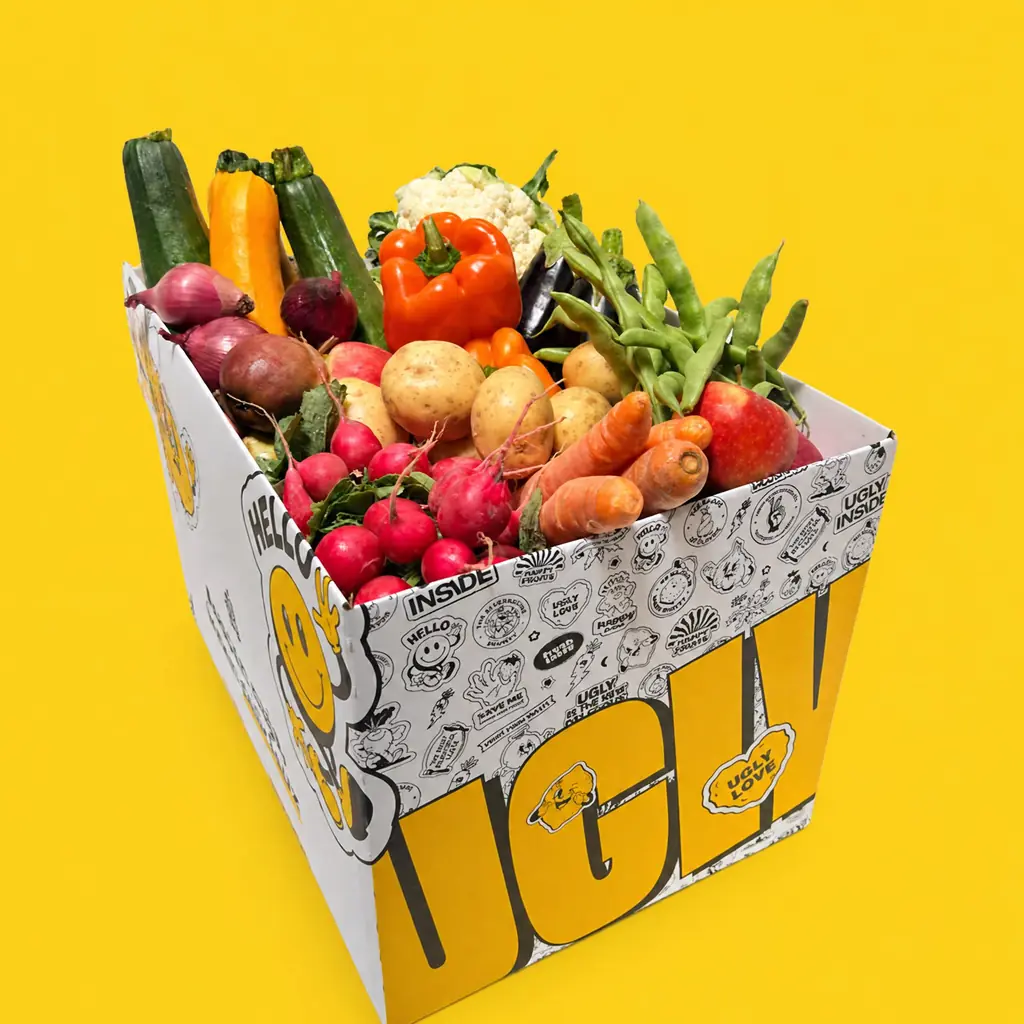
Imperfect sometimes, sure. But on your plate, they really deliver!