Sizing standards for fruits and vegetables in Switzerland: when carrots have to measure up
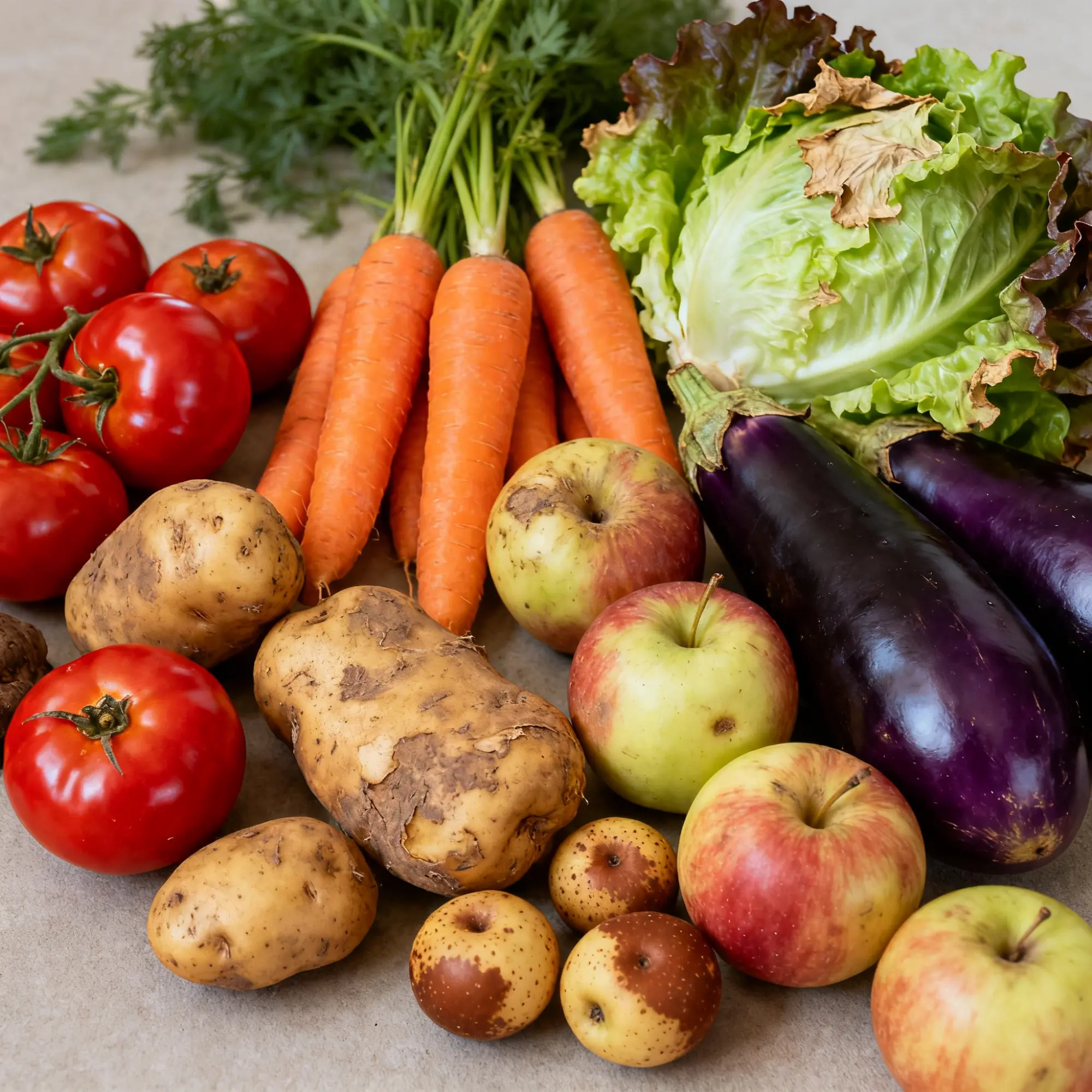
In Switzerland, a piece of fruit doesn't magically travel from field to shelf, even if it's organic. Before landing in our baskets, it often goes through a little-known but crucial step: sizing.
Diameter, weight, color, category… Yes, our apples and carrots practically have a résumé.
But how does fruit and vegetable sizing actually work in Switzerland? Is it different for organic produce? Who sets the criteria? And most importantly: what happens to products that don’t “make the cut”?
We’re breaking it all down—no unnecessary technical jargon, but with solid sources and a touch of UglyFruits spirit.
1. Sizing standards for fruits and vegetables: definition and objectives
What is sizing?
Sizing involves classifying fruits and vegetables according to specific criteria:
- Size (diameter or length)
- Weight
- Visual appearance (shape, color, surface defects)
- Ripeness
These criteria are defined by commercial and quality standards. In Switzerland, standards are based notably on United Nations norms (UNECE) as well as national guidelines established by organizations like Swisscofel and Bio Suisse.
Sizing isn’t just about “looking pretty.” It serves several purposes:
- Standardizing batches to facilitate sales
- Simplifying logistics and packaging
- Meeting retail expectations
- Ensuring visual consistency for consumers
In short: it’s all about organization… and standardization.
2. How does sizing work in practice?
Step 1: Harvest and initial sorting
After harvest, an initial sort is often done at the farm: damaged, overripe, or unsuitable products for fresh sale are set aside.
Step 2: Processing at the packing station
Fruits and vegetables destined for retail then pass through a packing station. This is where technology takes over:
- Conveyor belts
- High-precision cameras
- Integrated scales
- Automated sorting systems
Machines measure diameter, weight, and detect certain external defects. They then classify products by commercial category (Extra, I, II according to international UNECE standards).
Yes, even apples take an exam. But don’t worry, it’s stress-free. Of course, for smaller productions or very delicate products, these steps are done manually.
3. Quality categories: what do they really mean?
International standards have been established based on real-world conditions, but they don’t actually represent strict “regulations.” To summarize, we generally distinguish:
Extra Category
Superior quality, typical shape and color for the variety, virtually no defects.
Category I
Good quality, slight shape or color defects tolerated.
Category II
More noticeable defects possible, but product still fit for consumption.
? Important: none of these categories relate to nutritional value.
A Category II apple contains just as much fiber and vitamins as an Extra. It simply has a bit of… character.
4. Organic vs. conventional: any differences in sizing?
Good news: when it comes to commercial sizing, the process is essentially the same for organic and conventional produce.
Size and visual appearance criteria remain comparable, as they meet retail requirements and international standards.
The difference lies elsewhere:
- Farming methods
- Use of plant protection products
- Certification (in Switzerland via Bio Suisse or the Federal Ordinance on Organic Farming)
In other words:
Organic or not, the carrot often needs to be the right length to fit in the tray. Nature, however, didn’t get the memo.
5. Why do these standards exist?
Logistics and standardization
Uniform sizing facilitates:
- Packaging in standardized crates
- Transportation
- Storage
- Shelf stocking
A homogeneous batch = less damage, fewer complications.
Market expectations
Major Swiss retailers—like Migros or Coop—often define their own specifications in addition to international standards.
Consumers, accustomed to a certain uniformity, indirectly influence these standards. (Yes, we collectively have a soft spot for perfectly straight cucumbers.)
6. What about fruits and vegetables that don’t meet sizing standards?
This is where things get interesting.
Products that don’t meet sizing standards can be:
- Used for processing (juices, purées, soups)
- Sold through alternative channels
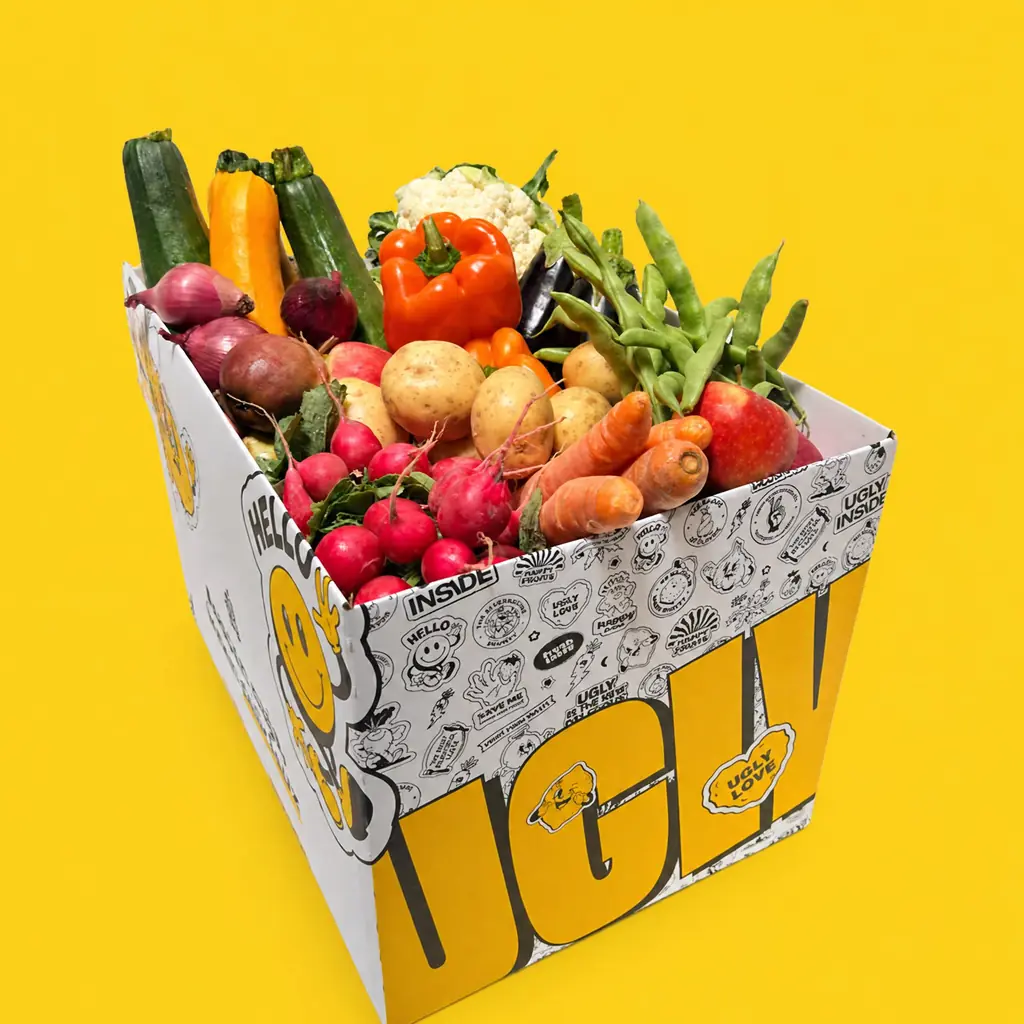
- Offered in food waste reduction baskets… well, well ;-)
- Used in institutional food services
In Switzerland, the fight against food waste is supported notably by initiatives backed by the Federal Office for Agriculture, which points out that a significant portion of food loss occurs before it even reaches consumers.
Sizing alone doesn’t create food waste, but it does contribute to excluding perfectly edible products from mainstream channels.
And that’s where UglyFruits comes in. To remind everyone that an apple can be delicious even if it doesn’t follow the “dress code.”
7. Are sizing standards evolving?
Yes. Slowly, but surely.
Facing environmental challenges and national food waste reduction goals, some retailers are gradually relaxing their aesthetic criteria.
We’re seeing:
- “Imperfect” product lines
- Better use of so-called secondary categories
- Awareness campaigns
Absolute perfection is losing some ground. And honestly, that’s great news for biodiversity… and for slightly shy vegetables.
Conclusion: sized doesn’t mean set in stone
Fruit and vegetable sizing in Switzerland is primarily a logistical and commercial tool. It helps organize flow, ensure a certain homogeneity, and meet market standards.
Organic or conventional, the process remains essentially the same.
But behind these standards lies a simple reality:
Nature doesn’t produce with a ruler.
And perhaps learning to appreciate a bit more diversity in our baskets would be the best evolution of all.
After all, in life as in orchards, it’s often the quirky ones that have the most flavor!