Cooking vegetables in 15 minutes
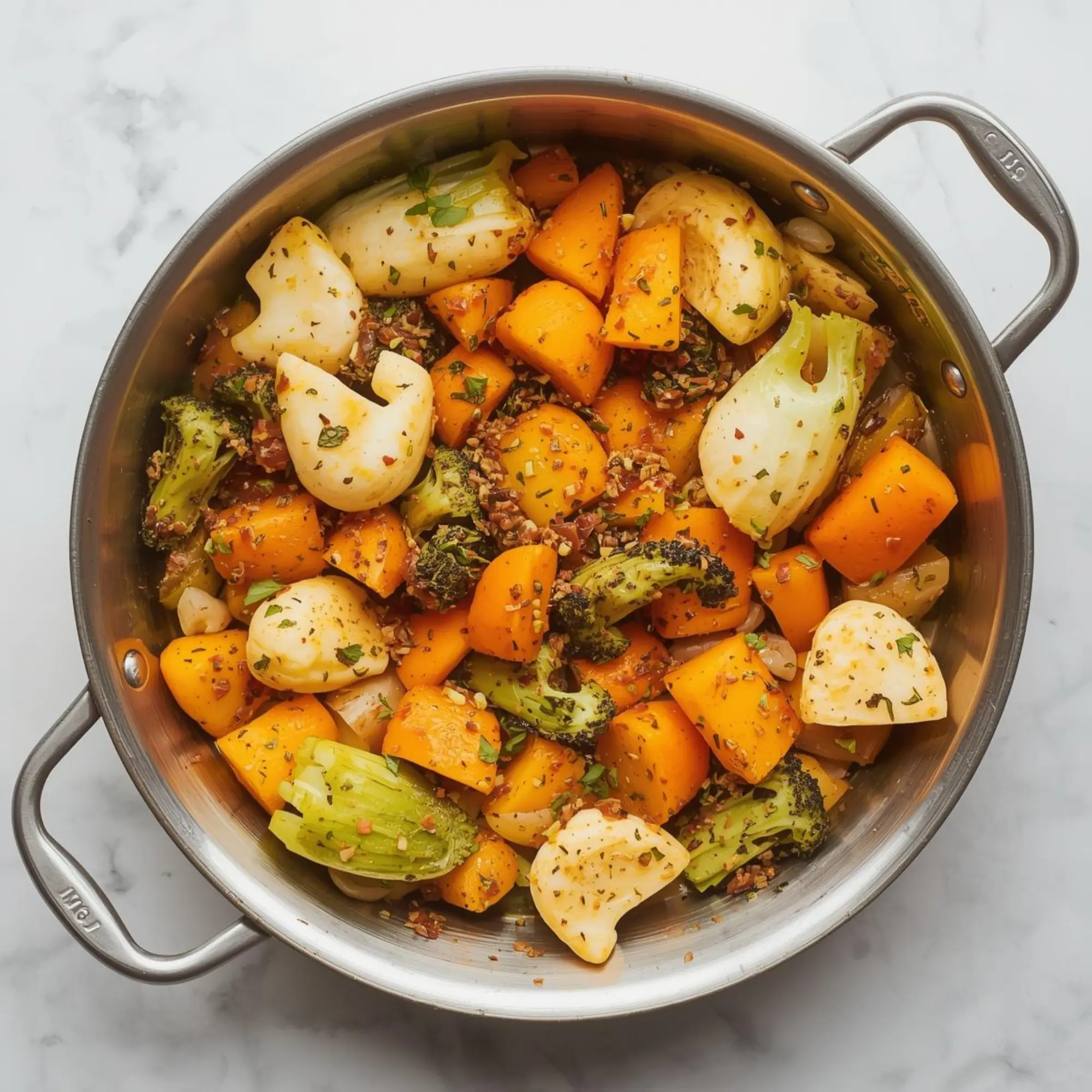
Good news: cooking vegetables — even the wonkiest ones, even the most "root-y" ones, even the cabbages that send kids running for the hills — can be done in just 15 minutes flat. You just need to know the right technique for each family.
1. Potatoes
Twisted, lumpy, slightly sunburned? No matter. The potato has character, and you can taste it on the plate.
The key to 15 minutes: cut small.
- In 1 cm cubes, a potato cooks in 10-12 min in a pan.
- In thin slices, it goes in the oven at 220°C for 15 min flat.
The big chunks are for lazy Sundays!
Express pan method
-> 1 cm cubes, hot olive oil, lid on for 8 min, then uncover to brown. Salt, garlic, fresh herbs.
Oven at 220°C
-> 3-4 mm slices, oil, salt. Preheat the baking tray = guaranteed crispy texture.
Steamed (small varieties)
-> Fingerlings or small Charlotte potatoes steamed whole: ideal for preserving vitamins. Finish with butter and chives.
Potato food waste tip: never peel organic potatoes — the skin is edible and nutritious.
2. Carrots
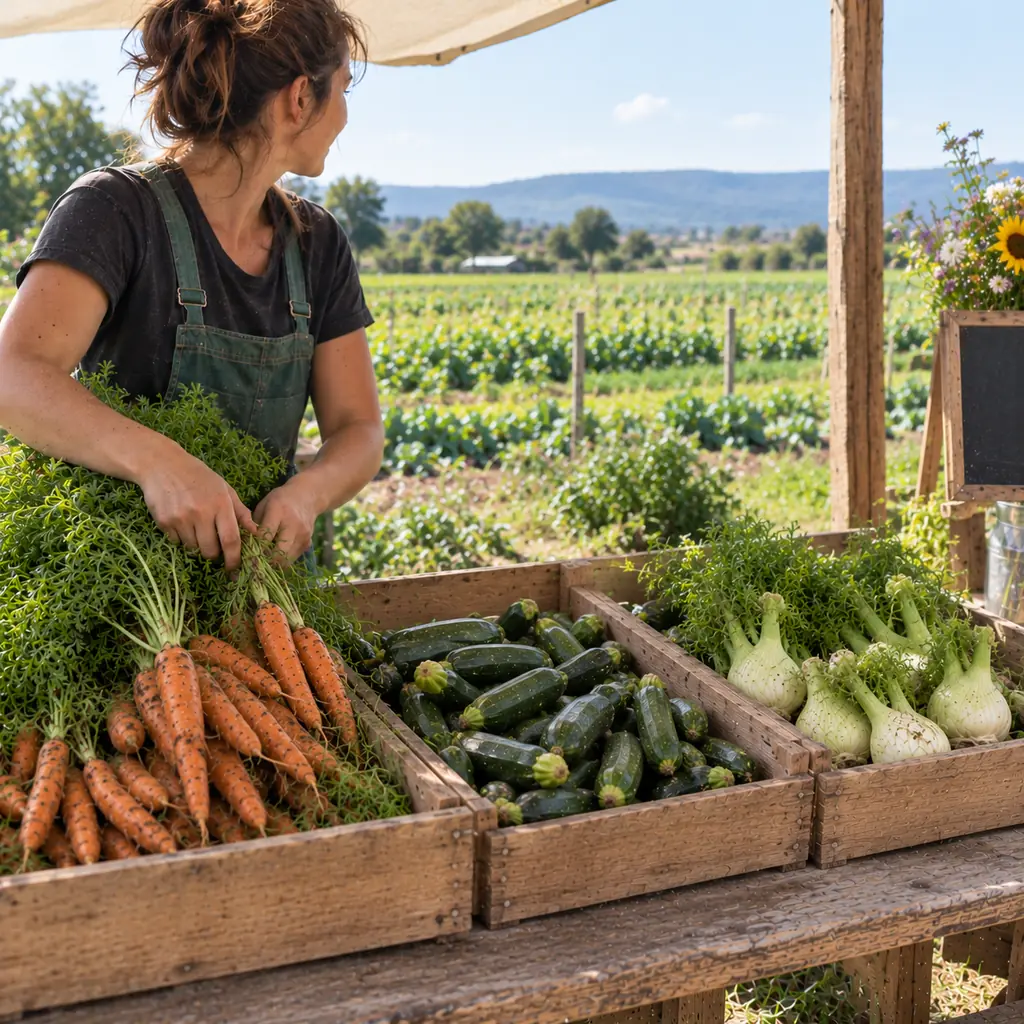
The carrot alone represents a large portion of the 40% of vegetables rejected by supermarkets for purely aesthetic reasons. And yet, it’s exactly as sweet, as orange (or purple, or yellow), as delicious as its perfectly shaped cousin.
Golden rule: the thinner you cut it, the faster it cooks.
- Julienned = 5 min in a pan. Sliced into rounds = 10 min.
- In large chunks = 15 min steamed.
You decide your level of impatience!
Sautéed julienne
-> Grate or cut into thin matchsticks. Very hot pan with a drizzle of sesame oil. Cooked in 5 min. Finish with grated ginger.
Glazed in a Dutch oven
-> Rounds + a splash of water + butter + pinch of sugar. Medium heat with lid on: the carrots cook in their own juice and glaze naturally.
Oven-roasted
-> Split lengthwise, oil, cumin, honey. 220°C — caramelized and tender at the same time.
3. Cabbages - the whole family
Too smelly, too bulky, not enough inspiration… And yet: cabbage is probably the most versatile vegetable there is. Raw, sautéed, roasted, braised — it adapts to everything.
The anti-odor secret: never cook cabbage too long. Beyond 10 minutes at high heat, the sulfur compounds go wild. Under that = crispy, flavorful, and no smell alarm.
Roasted cauliflower / broccoli
Florets, generous oil, salt, 220°C. Slightly charred edges = natural umami. Don’t cover.
Pan-fried Brussels sprouts
Cut in half, flat side down in a very hot pan with butter. Let them brown without touching for 5 min. A revelation.
Raw kale & red cabbage
Finely shredded + salt + massage by hand for 2 min = softened texture. Lemon, olive oil, pumpkin seeds.
Braised Savoy cabbage
Strips + a bit of broth + lid on medium heat. Tender and flavorful without any bitterness.
Cabbage food waste tip: the stem of broccoli or cauliflower is entirely edible. Peel the fibrous outer layer, cut into cubes, and cook like the rest.
4. Root vegetables
Root vegetables are the most unfairly overlooked category in the plant kingdom. Too ugly, too rustic, too “grandma’s cooking.” And yet: roasted parsnip rivals sweet potato. Celeriac purée often beats mashed potatoes. Crispy Jerusalem artichoke has become the star of gourmet restaurants.
What they have in common: a richness in natural sugars that makes them extraordinary with dry heat. Roasted or pan-fried, a root vegetable caramelizes, develops deep flavors, and cooks — surprise — quickly if you cut it right.
Oven-roasted cubes
1.5 cm cubes, oil, salt, spices (cumin, paprika, coriander). 220°C on a preheated tray. Works for beetroot, parsnip, rutabaga.
Pan-fried fritters
Grate celeriac or potato + egg + salt + flour. Fritters in hot oil, 5-6 min per side.
Express purée
Small cubes + boiling water + lid: 12 min. Blend with butter and nutmeg. Parsnip, celeriac, or turnip — each has its own identity.
Food waste tip: organic beetroot or celeriac peelings can be dried in the oven (150°C, 20 min) to make homemade snack chips.
5. Squash and zucchini
The cucurbit family is a regular in our baskets. A misshapen pumpkin contains exactly as much beta-carotene as a perfect one. A curved zucchini tastes the same as its straight neighbor. We won’t belabor the point, you get the idea.
Big advantage of cucurbits: the skin of red kuri squash and Hokkaido is edible. No need to peel. Natural food waste prevention, and a significant time saver.
Pan-fried zucchini
5mm rounds, high heat, no lid. Brown without stirring. Garlic + basil at the end. Simple and unbeatable.
Roasted squash (thin slices)
Red kuri or Hokkaido in 5mm slices with the skin on. 220°C, oil, salt, Espelette pepper. Golden caramelized edges.
Express soup
Cubes + hot broth (not cold) + lid. 10 min cooking time, blend with coconut cream. Nutmeg.
Squash food waste tip: squash seeds are edible! Rinse them, dry them, toast them in a dry pan — premium food waste snack.
6. Leafy greens
Leafy greens are the undisputed champions of speed. In a pan, spinach wilts in 3 minutes. Swiss chard in 7. They invented the concept of “dinner in 10 min” long before Instagram.
Their number one enemy? Moisture. A wet leafy vegetable in a pan doesn’t sauté: it boils. Dry thoroughly before cooking, and use a large pan over high heat.
Sautéed spinach
Garlic in hot oil, then leaves by the handful. Stir. Salt, nutmeg. The volume shrinks by 80% — that’s normal.
Pan-fried Swiss chard
Stems separated from leaves: stems first (5 min), then leaves (2 min). With garlic and anchovies: perfect pairing.
Braised endives & escarole
Halves in butter + pinch of sugar, medium heat. Lid on for 5 min. The bitterness fades, the sweetness emerges.
Lettuce food waste tip: a salad that’s starting to wilt isn’t dead. Sauté it for 3 min in a pan with garlic — cooked lettuce is delicious.