Invisible food waste: everything that's lost before it even reaches your plate
We've talked a lot about waste at home. Today, we're going back up the chain — all the way to the field
A yogurt forgotten at the back of the fridge, a wilted salad you throw away with a twinge of guilt: that’s the image that typically comes to mind when we think of food waste. But it only tells part of the story. Long before your groceries reach your home, an impressive amount of food has already been lost along the way — in the field, at the factory, on the road. Let’s trace this chain together, step by step, to understand where (and why) things really go wrong.
The number that puts things in perspective
Let’s start with the big picture. Every year, Switzerland loses around 2.8 million tons of food, all along the chain, from production to plate — that’s nearly 330 kilos per person per year. A significant portion of these losses is avoidable: this is what we call food waste in the true sense, the edible part that could have ended up on a plate rather than in the trash. And contrary to popular belief, this waste doesn’t just happen in our kitchens. According to the Federal Office for the Environment (FOEN), avoidable losses break down as follows: 35% in households, followed by the processing industry (29%), agriculture (14%), food service (13%), and wholesale and retail (9%). In other words: two-thirds of avoidable waste happens before the product even reaches your shopping cart.
Step 1 — Sorting in the field, the first major loss
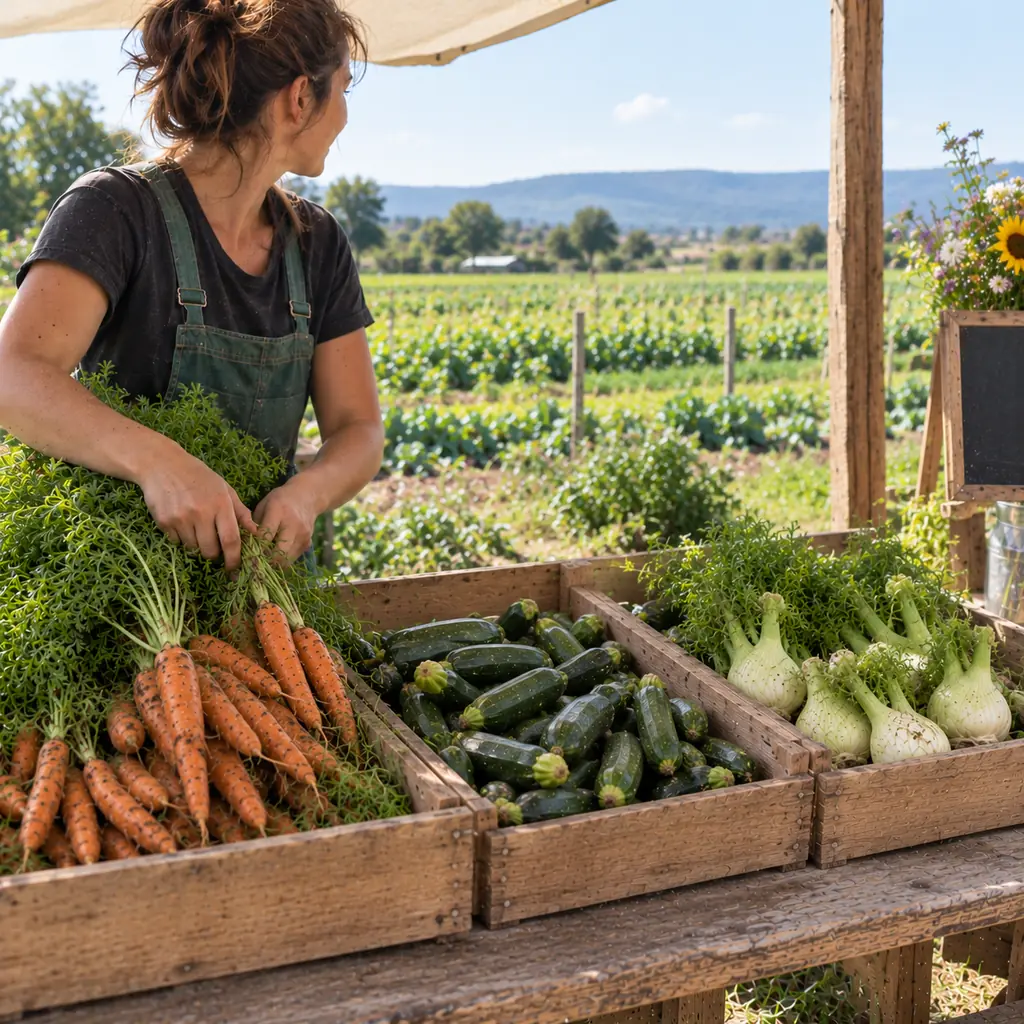
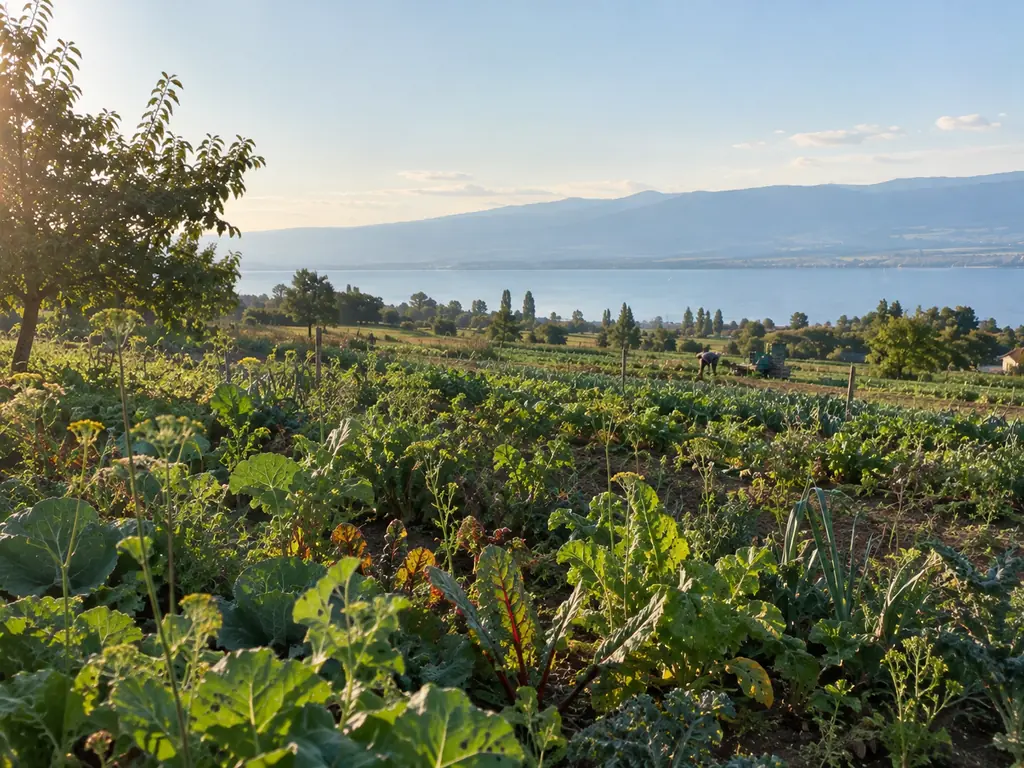
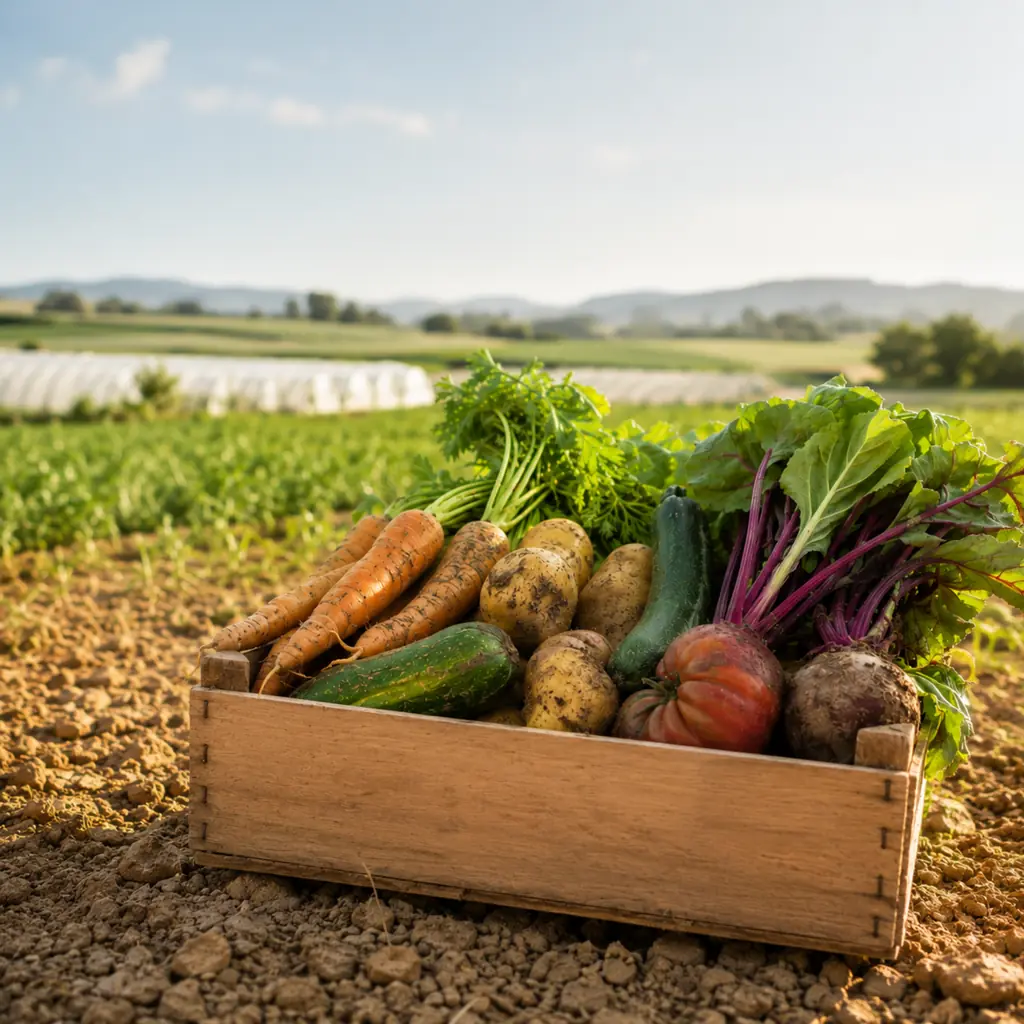
It all starts at harvest. A fruit that’s too small, a shape deemed “non-conforming,” a color that doesn’t appeal: these purely aesthetic criteria eliminate a significant portion of crops before they even leave the field. In Switzerland, agriculture generates around 225,000 tons of food waste per year, representing an annual loss of CHF 600 million for the sector. Some of these losses are recovered (compost, animal feed), but a portion remains avoidable if grading standards were a bit more flexible — which is precisely UglyFruits’ bet.
Step 2 — Processing, the hungriest link in the chain
Once harvested, a fruit or vegetable destined for processing (juice, canned goods, frozen) goes through a new series of steps: washing, industrial grading, cutting, cooking… Each generates its own losses, which explains why this sector alone accounts for nearly 29% of Switzerland’s avoidable waste, the second largest share of the chain just behind households. The more processing steps a product goes through, the greater the risk of loss at each link.
Step 3 — Transport and storage, the race against time
Between the field and the point of sale, a fresh product is a commodity with an expiration date… literally. Cold chain breaks, logistical delays, imperfect storage conditions: with every kilometer traveled, the risk of loss increases. This is particularly true for imported products: in 2022, Switzerland imported around 7 million tons of agricultural products, a volume that jumped 40% in ten years. The longer the distance, the more handling steps multiply — and with them, the chances of losing a product along the way.
Step 4 — Retail, the (almost) perfect showcase
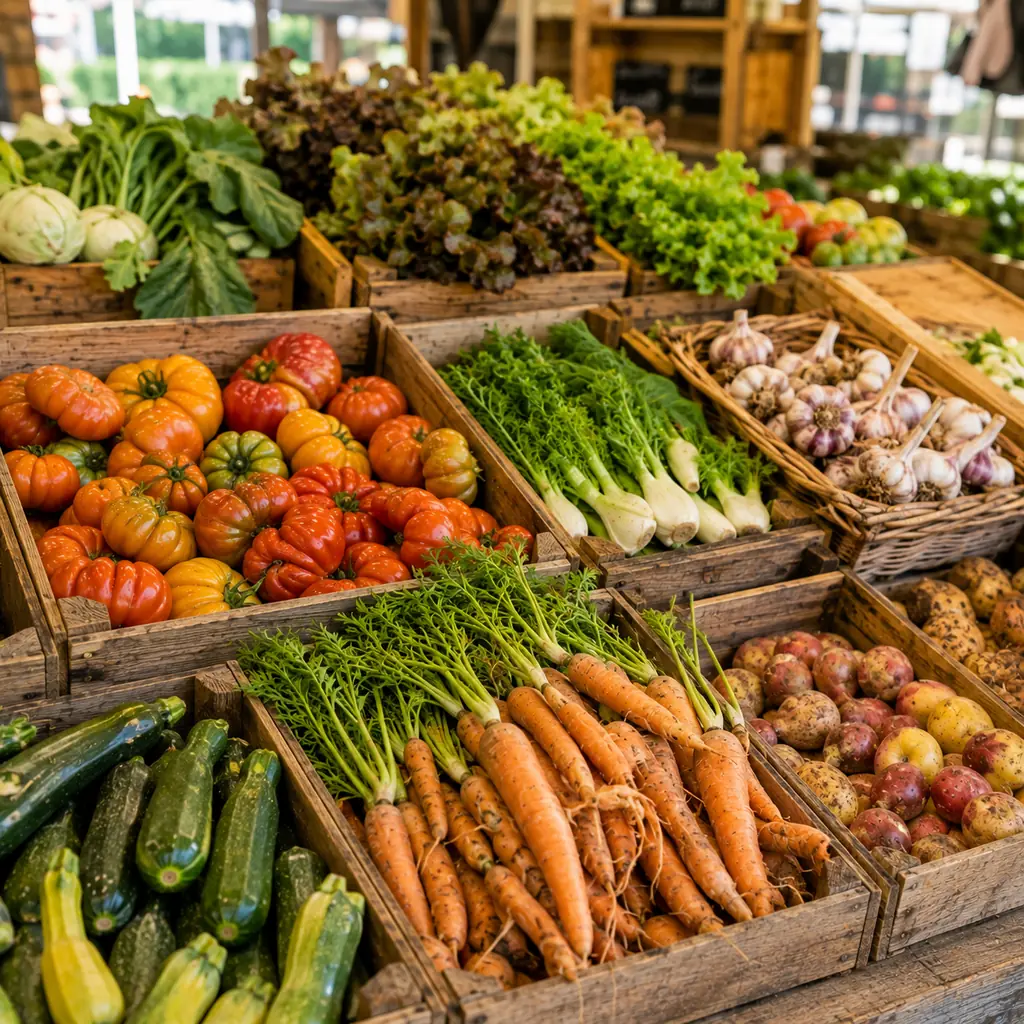
On the shelves, aesthetic standards reign supreme: a slightly damaged product, a crumpled label, an approaching date, and the product is pulled from sale, even though it’s perfectly edible. This link represents “only” 9% of avoidable waste, but it has an amplifying effect: this is where aesthetic standards are set that, upstream, lead to perfectly good fruits and vegetables being discarded right from the field sorting stage.
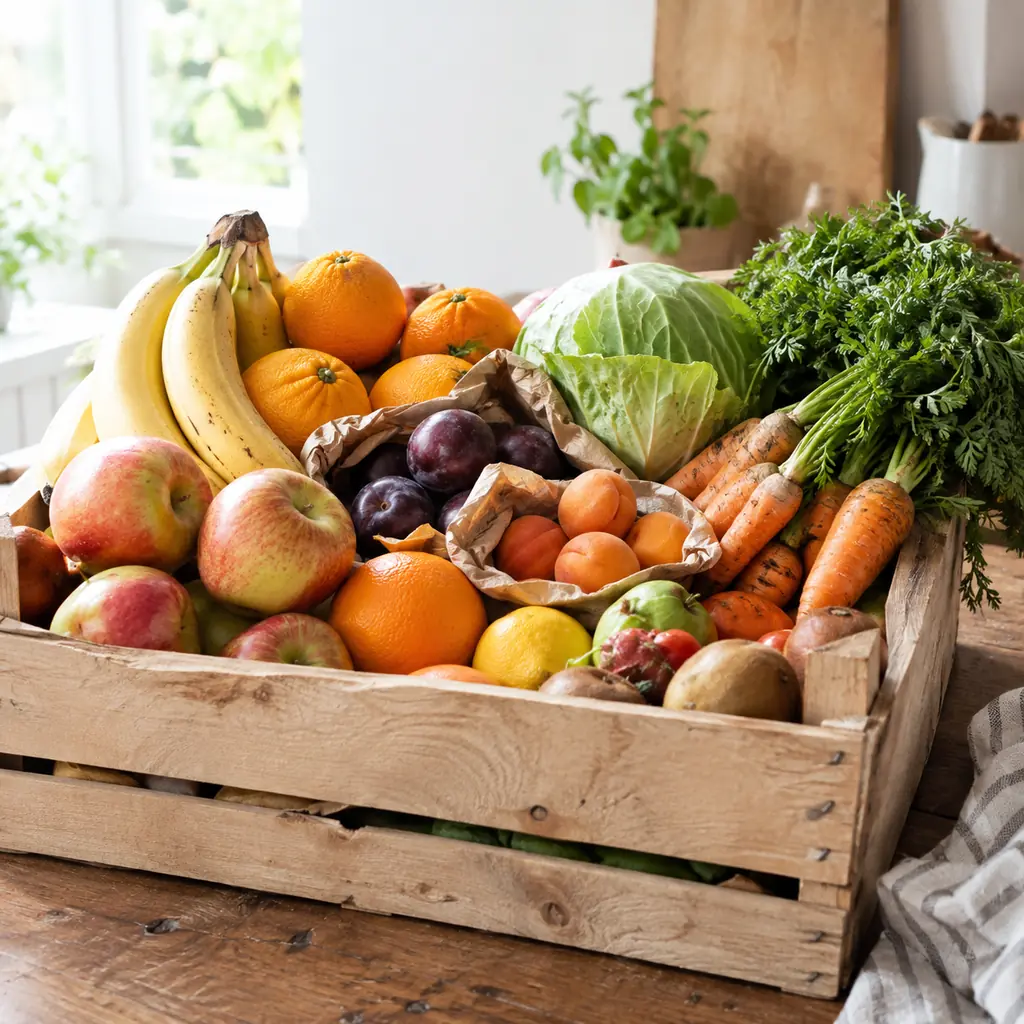
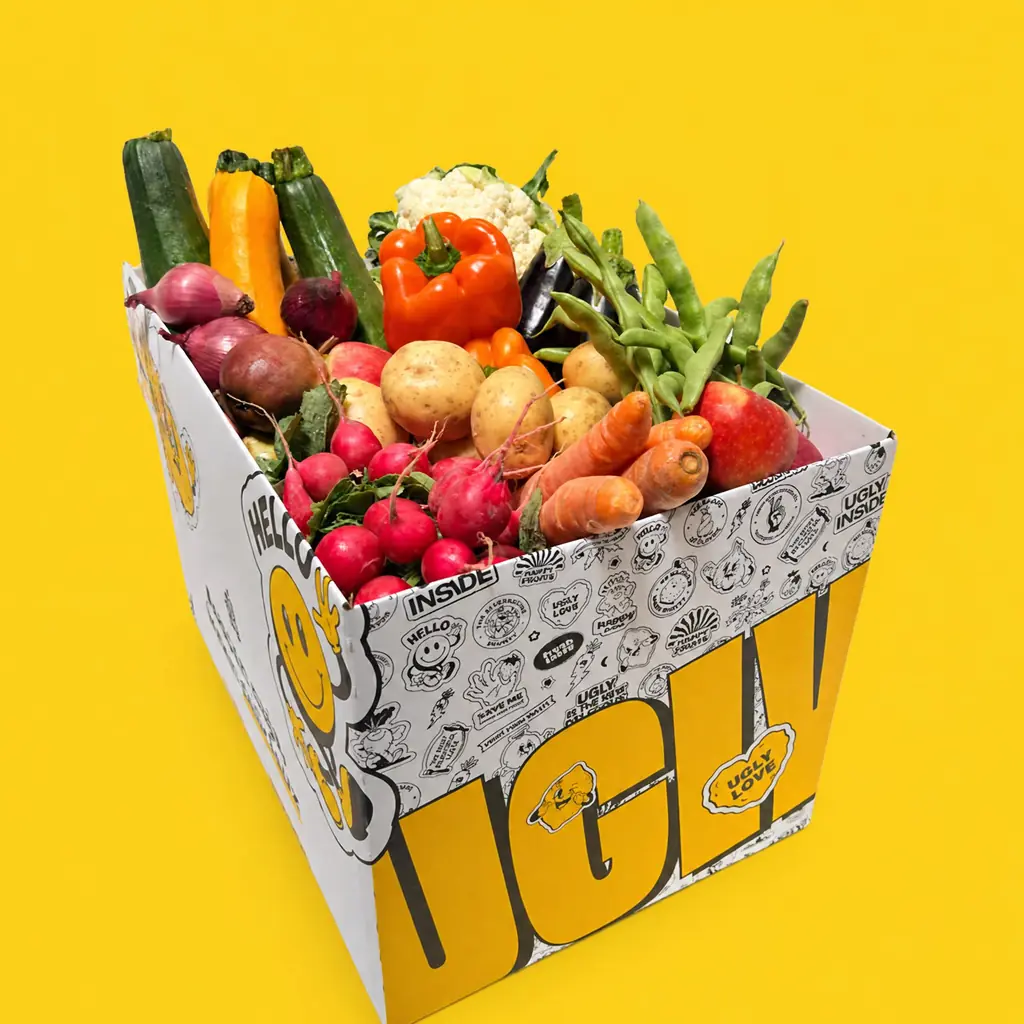
What UglyFruits changes at each of these steps - At sorting: we rescue fruits and vegetables rejected for purely aesthetic reasons, before they’re lost. - At processing: fewer intermediate steps means fewer opportunities for loss — our products go from producer to your basket with minimal handling. - At transport: by working with Swiss producers, we reduce distances traveled and the associated logistical risks (read our upcoming article on short supply chains). - On the shelf: a slightly crooked fruit is never pulled at our place — it’s precisely why we exist. Food waste isn’t just a matter of personal guilt when facing an overstuffed fridge. It’s an entire chain, with weak links at every step. By choosing to value what would normally be discarded upstream, we’re taking action where it matters most: before the waste even happens.
Sources: Federal Office for the Environment (FOEN), “Food losses,” 2025; WWF Switzerland, “Food waste”; Swiss Farmers’ Union (SFU), Agristat; Le Temps, “In Switzerland, we waste 190 kilos of food per person every year.” UglyFruits — 100% organic, non-graded fruits and vegetables, saved from waste and delivered throughout Switzerland.