The food waste numbers in Switzerland that (really) hurt
We love impressive numbers. These ones, not so much. But we owe them to you — because understanding the problem is the first step to solving it
Switzerland. Land of precision watches, perfectly crafted chocolate, and trains that run to the second. So when we tell you that this same country throws away nearly 2.8 million tonnes of food every year, it’s surprising. Or maybe not — because this kind of waste is silent, invisible, and devilishly well hidden in our fridges and our consciences.
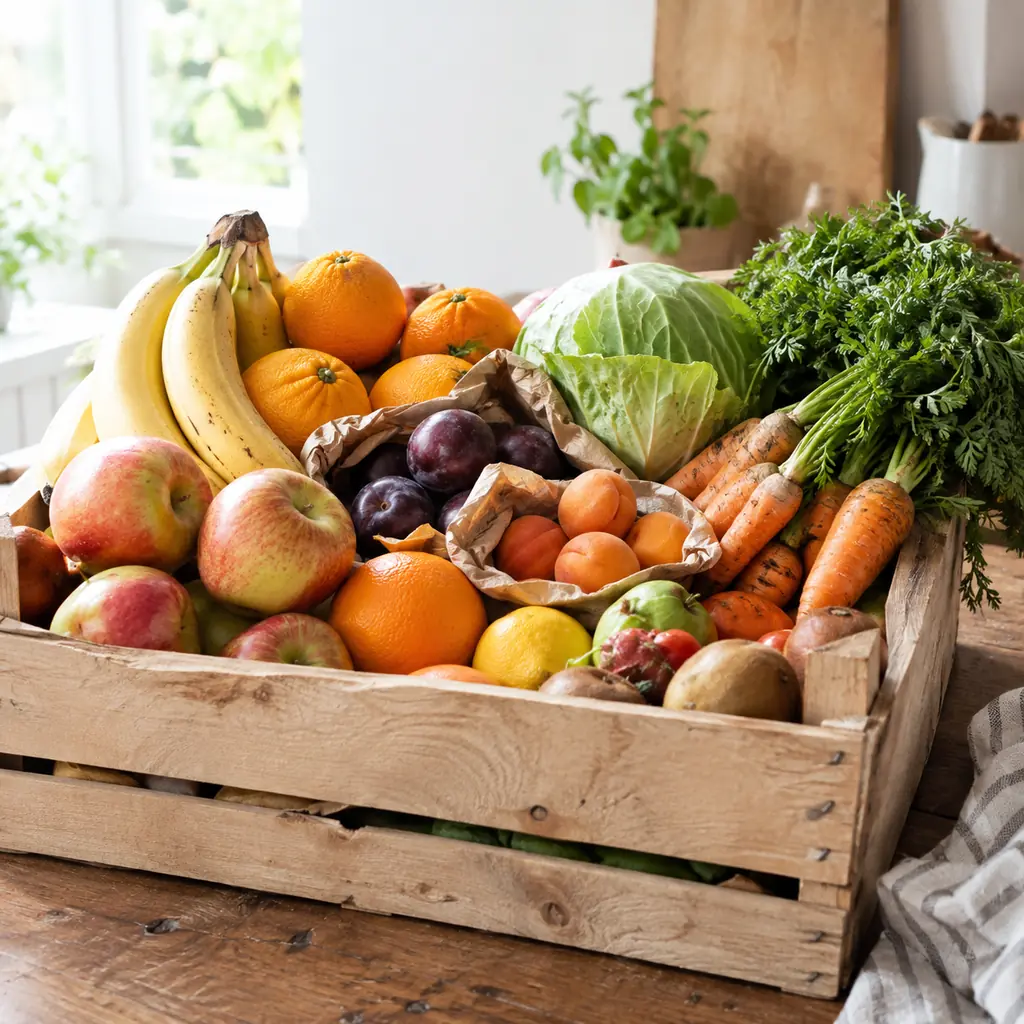
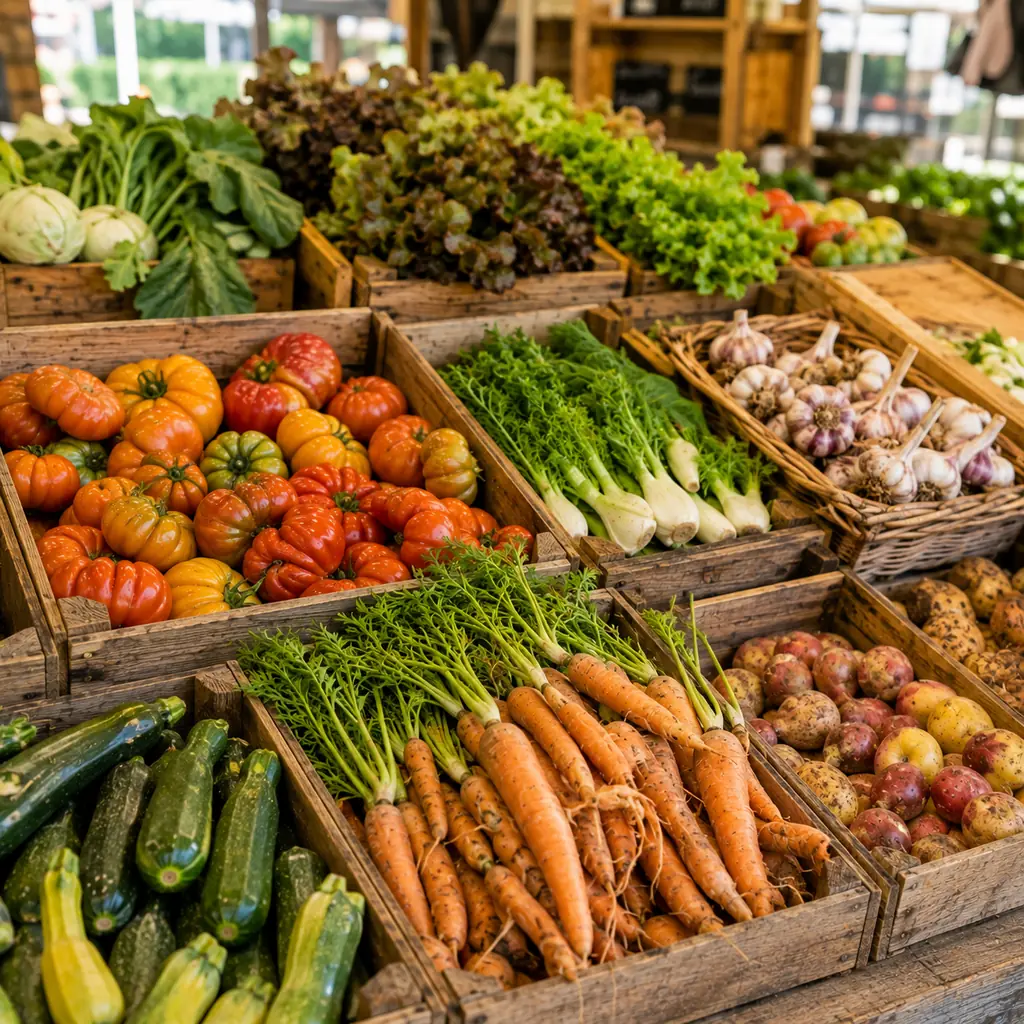
We see it every day: the (slightly) crooked carrots, the too-round apples, the too-long leeks. All this perfect food that nobody sees because it doesn’t fit the standards of big retailers. So yes, the numbers that follow hurt. But they’re necessary.
2.8M …tonnes wasted per year in Switzerland
330 kg …per person per year
CHF 620 …thrown in the trash per person
37% …of all food production lost
One in three meals ends up in the trash. Let that sink in.
37% of all Swiss food production is lost or wasted. In plain terms: imagine you cook three dishes tonight. You eat two. The third, you throw straight in the trash — without touching it. That’s exactly what’s happening, on a national scale, every single day of the year.
And it’s not just a moral issue. It’s an environmental disaster in its own right. Food waste accounts for roughly 25% of the total environmental impact of our food system in Switzerland — nearly half of all the pollution generated by private motor vehicles in the country.
“If food waste were a country, it would be the third largest polluter in the world — right behind the United States and China.”
Who wastes what — and where?
We like to tell ourselves it’s the supermarkets’ fault, the industries’, the restaurants’. The reality is more nuanced — and more uncomfortable. Here’s how responsibility breaks down along the food chain:
Households » 38%
Processing » 27%
Food service » 14%
Agriculture » 13%
Retail » 8%
Households lead the way with 38% of total waste. In other words: all of us, in our kitchens, are the main culprits. Yet two-thirds of Swiss food waste would be avoidable, according to the Federal Office for the Environment. It’s not inevitable — it’s a habit.
The food service industry wastes 290,000 tonnes per year. The main cause? Portions prepared in excess. One billion francs evaporates every year in the kitchens of Swiss restaurants and hotels. One billion.
The number that hurts the most: CHF 620
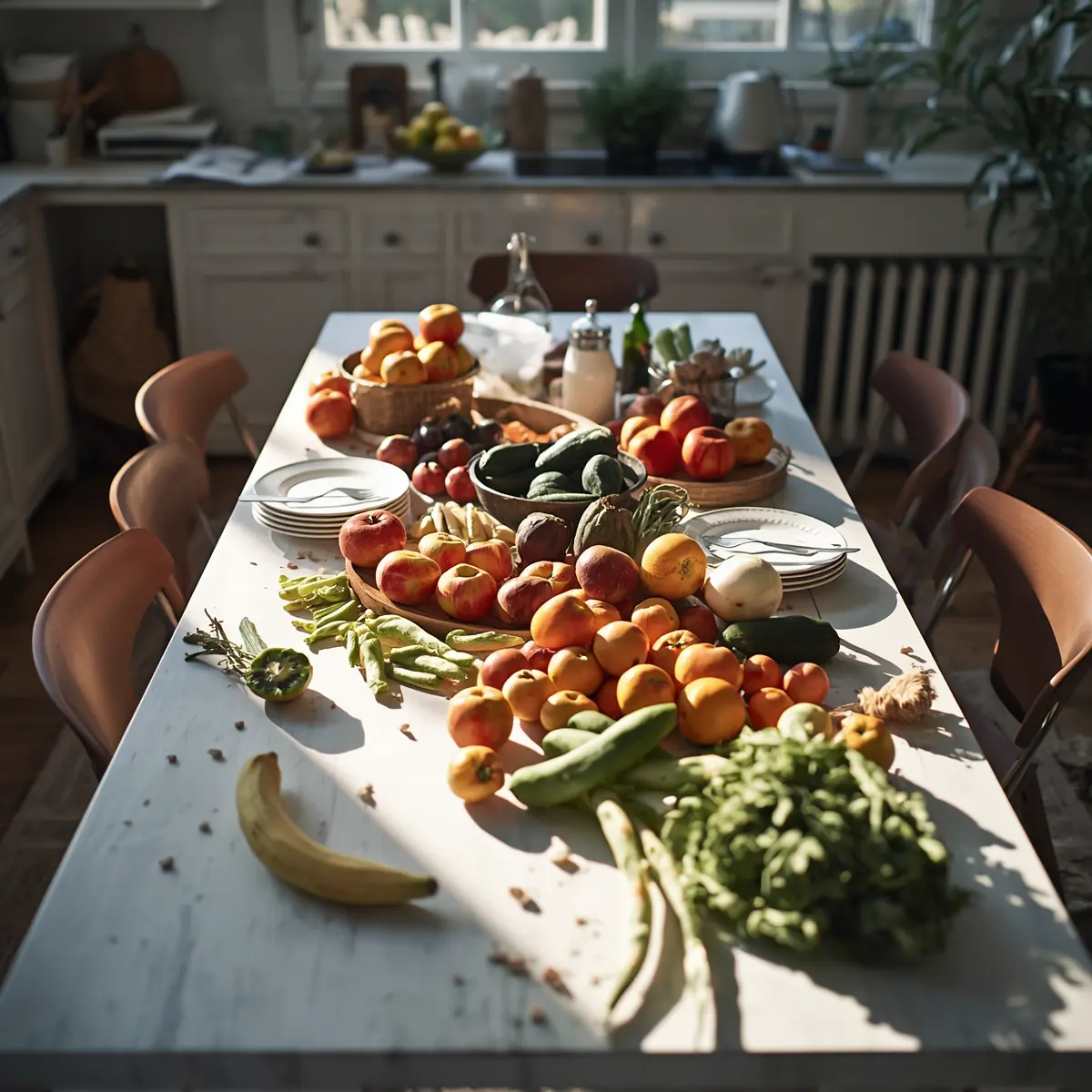
Every person in Switzerland throws away the equivalent of CHF 620 worth of food each year. For a family of four, that easily exceeds CHF 2,000 per year going straight to the trash. Not on travel. Not on clothes. On wasted food.
For comparison: the average Swiss household spends CHF 636 per month on food. That means we throw away almost an entire month’s worth of groceries every year. One whole month.
“2.8 million tonnes. That’s 4.5 times the weight of Switzerland’s entire population — going to the trash every year.”
And what about ugly fruits and vegetables?
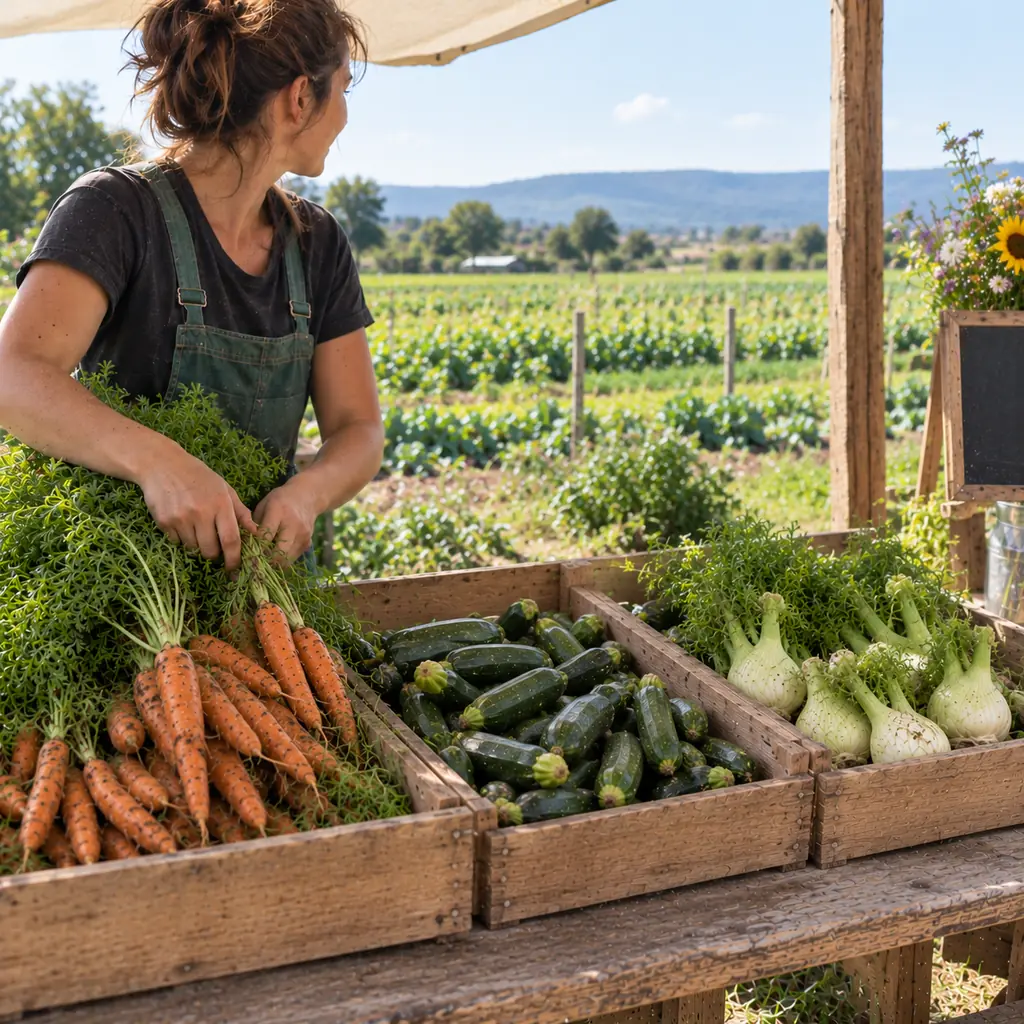
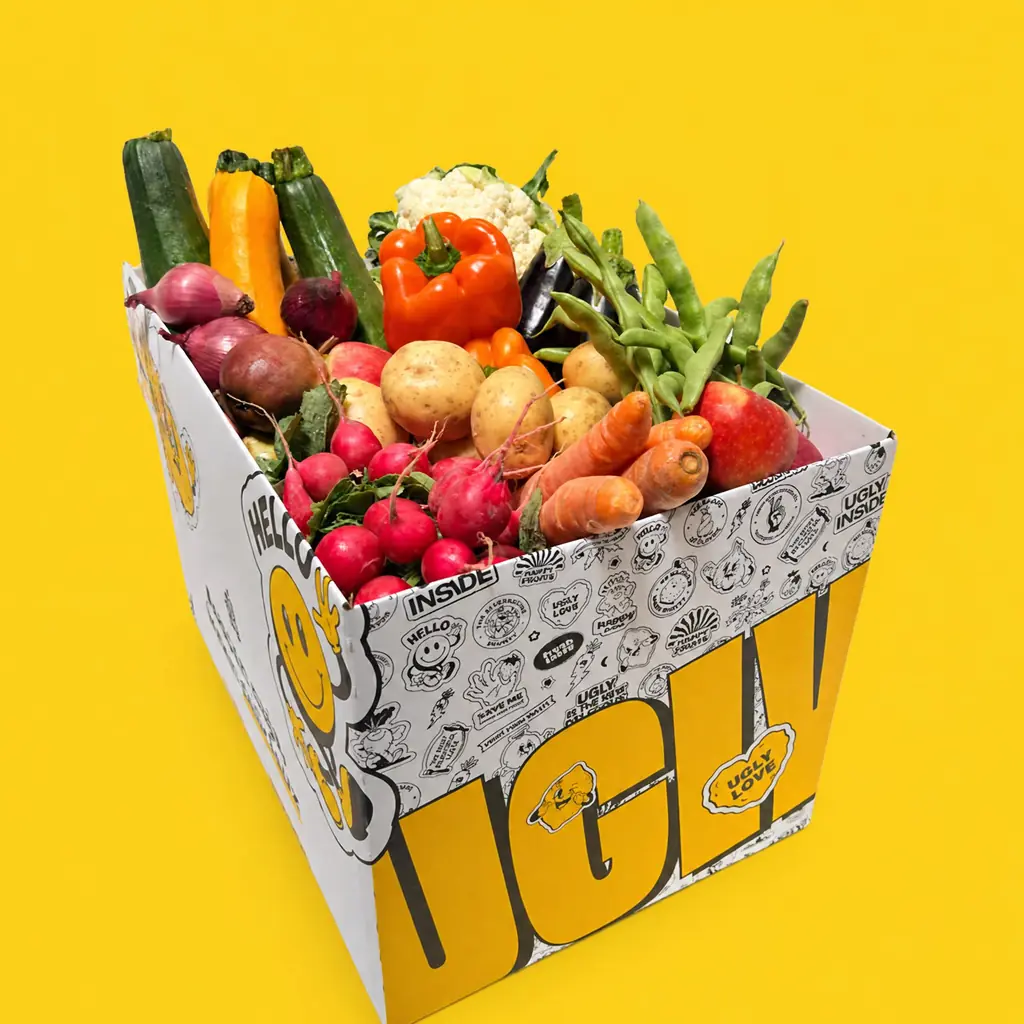
This is where UglyFruits comes in. A significant portion of food waste begins long before the kitchen: right in the fields and sorting centers, perfectly edible fruits and vegetables are discarded because they don’t meet the aesthetic standards set by big retailers. Too small, too big, too crooked, too round, too… themselves.
On average worldwide, vegetables account for 25% and fruits for 12% of all food waste. In Switzerland, a significant portion of this agricultural production never reaches the shelves — let alone the plates.
But here’s the good news — and it’s big.
Solutions exist. Concrete, accessible, and often already in action. Food waste isn’t set in stone — it’s a system we can change, together, at every link in the chain.
Case in point: between 2017 and 2024, Swiss retail reduced its food losses by 20%. That’s significant. That’s possible. And it’s proof that when stakeholders commit to real goals, results follow.
What you can do, starting today:
- Buy imperfect fruits and vegetables — they taste the same, often better
- Plan your shopping to avoid unnecessary purchases
- Trust your senses rather than expiration dates
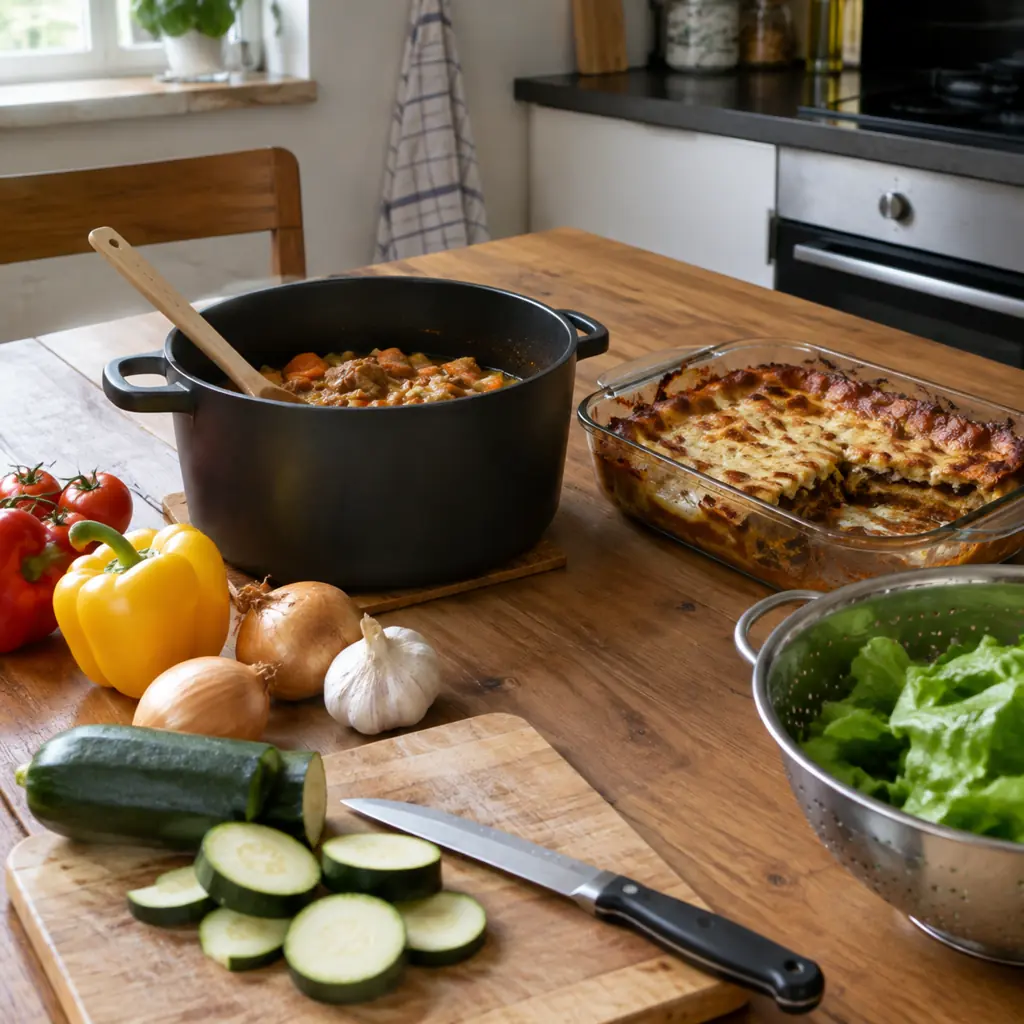
- Give leftovers a second life: soups, gratins, smoothies
Switzerland has committed to cutting its food waste in half by 2030. If this goal is achieved, the environmental impact of our food system would drop by 10 to 15% — the equivalent of taking up to 2 million cars off Swiss roads. Two million.
Every fruit or vegetable saved is a step in that direction. Small. Concrete. Real.