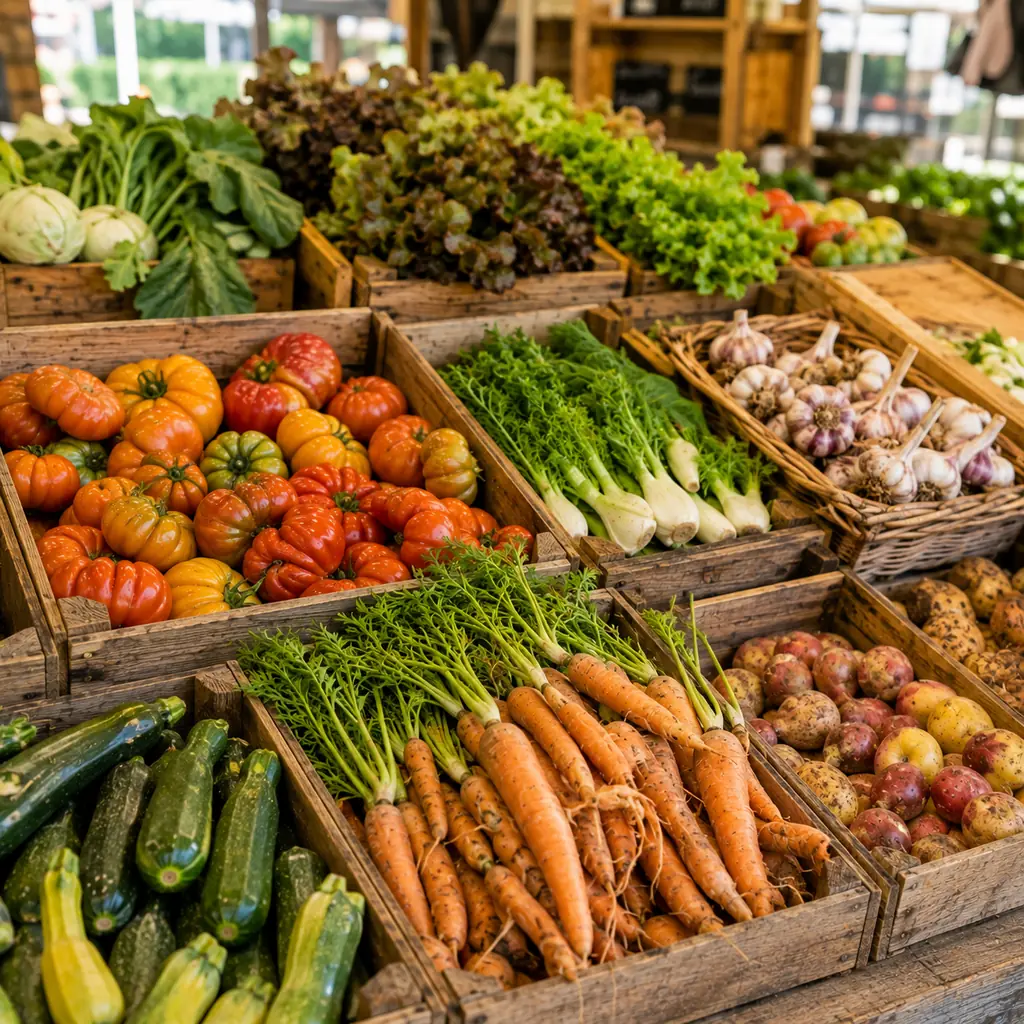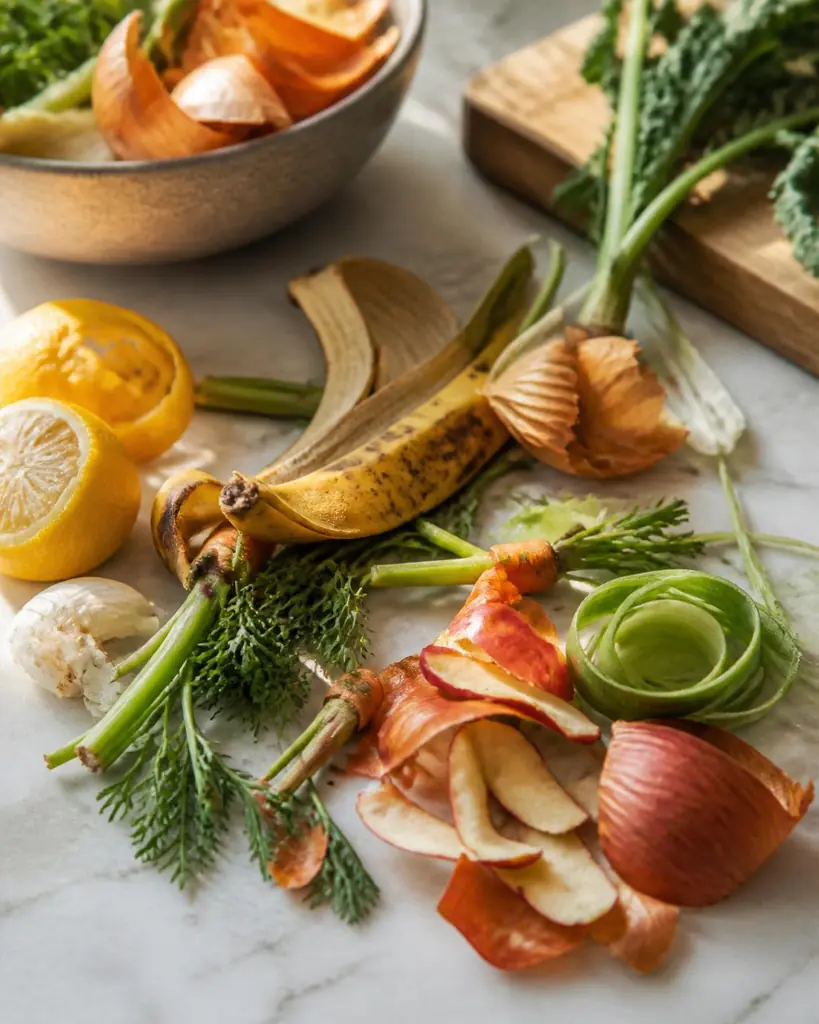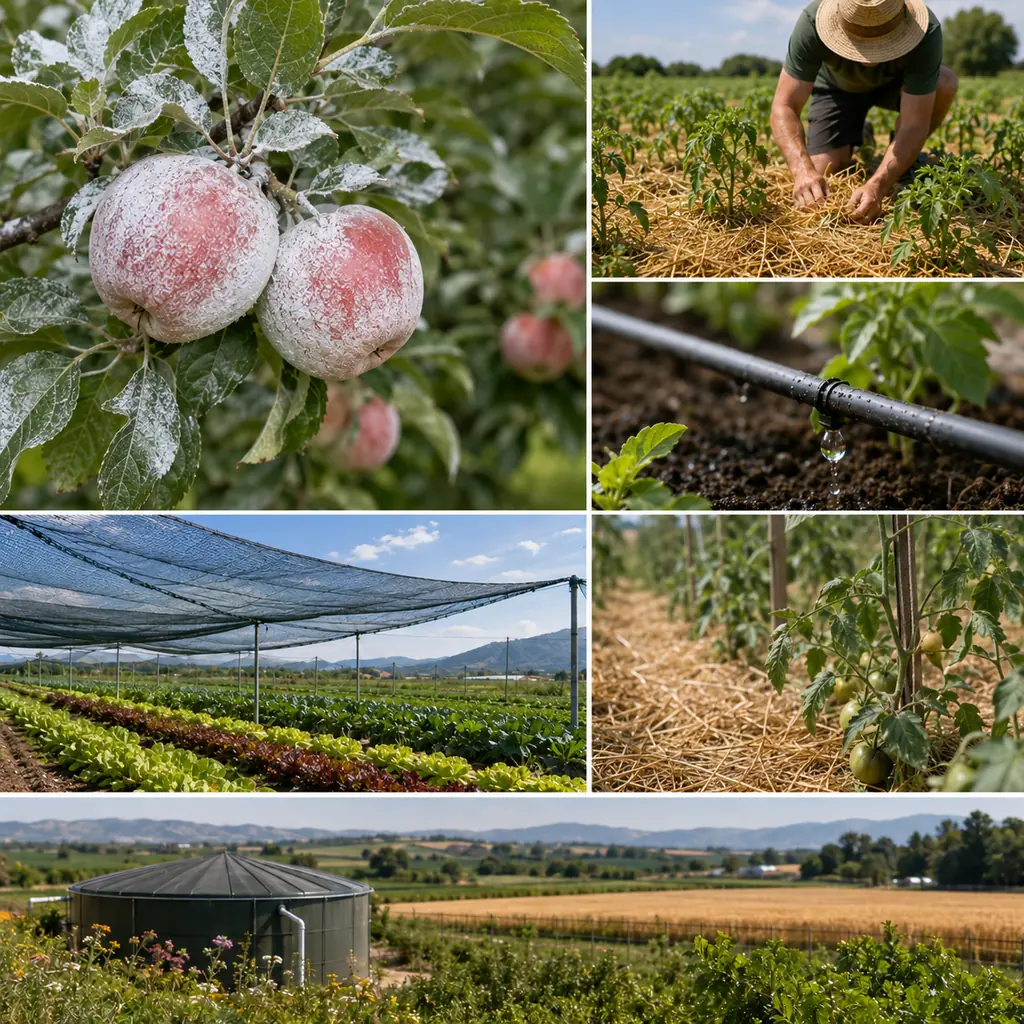
Common Misconceptions About Oddly Shaped Fruits and Vegetables
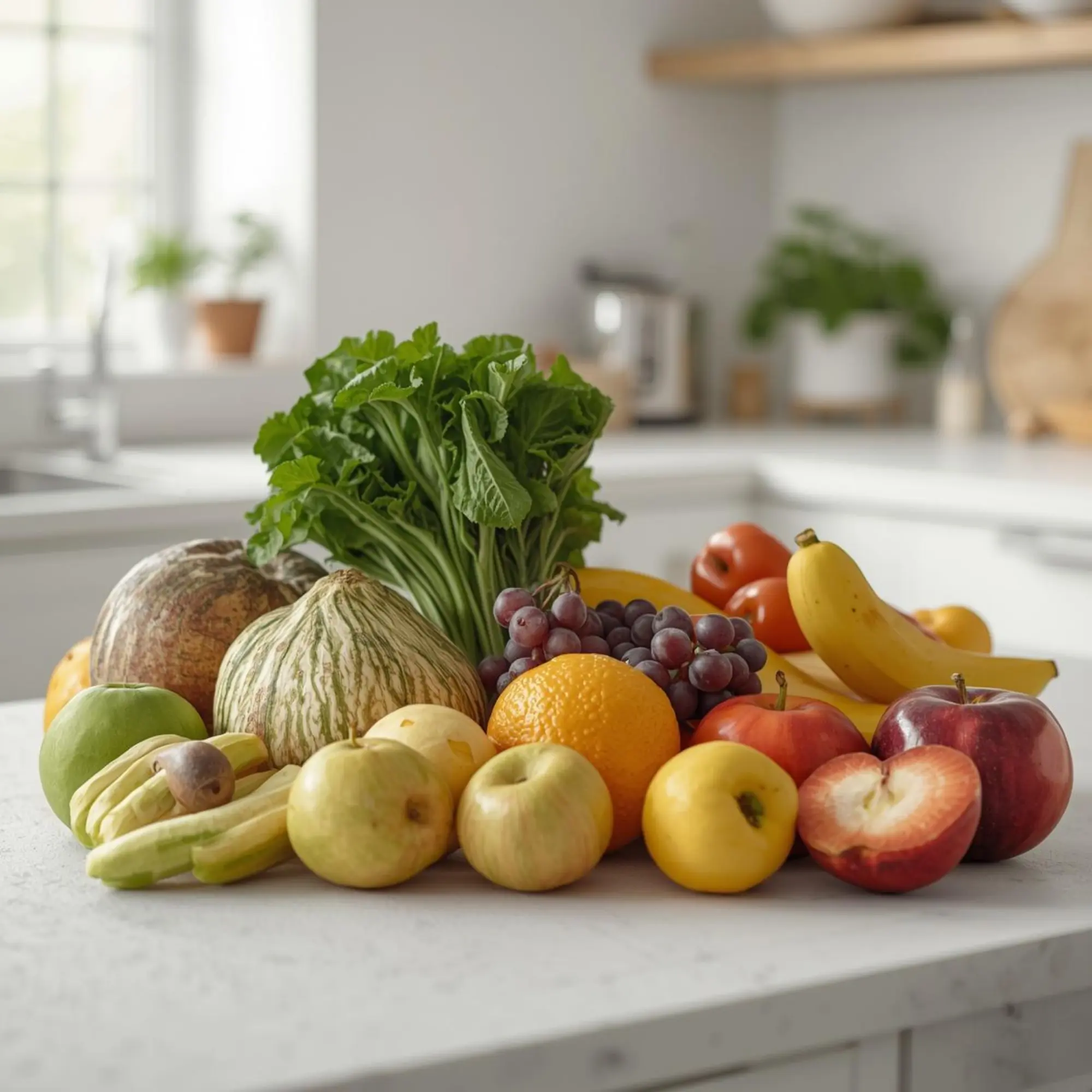
A slightly bumpy apple. A carrot that looks like it’s been doing yoga. A cucumber that just won’t fit in the box. In Switzerland, as elsewhere, appearance strongly influences our buying choices. Yet, if you dig a little beneath the skin (literally), common misconceptions quickly start to crumble.
Myth #1: “If they’re ugly, they’re less tasty”
In Switzerland, size and appearance standards exist to simplify marketing and logistics—not to guarantee flavor. According to the Federal Office for Agriculture, commercialization standards mainly cover size, weight, uniformity, and the absence of major visual defects. Taste is not part of the evaluation.
Flavor, in reality, depends on the variety, ripeness, and growing conditions (sun, soil, water). An irregular tomato grown outdoors can even develop more concentrated aromas than a perfectly standardized fruit.
In other words: just because a vegetable looks different doesn’t mean it tastes worse.
Key points:
- Size standards relate to uniformity, not flavor
- Taste depends on variety and growing conditions
- An atypical fruit can be just as—or even more—flavorful
Myth #2: “They’re less nutritious”
No Swiss scientific data shows a nutritional difference between standard and irregular fruits. Composition analyses (vitamins, fiber, minerals) depend on species and variety, not appearance.
The Swiss Federal Office for the Environment’s report on food waste reminds us that losses due to aesthetic standards affect perfectly edible and nutritious produce. A slightly crooked bell pepper provides the same vitamin C as a straight one.
Nutrition doesn’t follow symmetry.
Key points:
- Nutritional value doesn’t depend on appearance
- Produce rejected for cosmetic reasons is still fully nutritious
- Appearance is not a sign of nutritional quality
Myth #3: “They’re less safe”
In Switzerland, all fruits and vegetables sold must meet the same safety standards, whether regular or irregular. Controls cover residues, hygiene, traceability, and compliance with food regulations.
Standards are governed by federal law and applied regardless of shape or size. A forked carrot is subject to the same checks as a “catalog” carrot.
Food safety relies on science, not looks.
Key points:
- Safety standards are identical for all products
- Controls focus on residues, hygiene, and traceability
- Appearance has no bearing on safety
Myth #4: “Nobody wants them”
In Switzerland, around 2.8 million tons of food are lost or wasted each year, according to the Federal Office for the Environment. Some of these losses occur at the production stage, largely due to commercial standards.
Non-standard fruits and vegetables are not unsellable—they simply don’t match the visual expectations of traditional retail. Yet alternative markets, direct sales, and anti-waste initiatives show that there is real demand.
They’re not “extra.” They’re just out of shape.
Key points:
- Part of agricultural losses is due to aesthetic standards
- Produce remains edible and marketable
- Short supply chains and engaged initiatives give them value
Myth #5: “Buying them is an activist act”
In Switzerland, food waste accounts for about 25% of the total environmental impact of the food system, again according to the Federal Office for the Environment. Reducing these losses is a collective challenge, but it doesn’t require perfection.
Choosing irregular fruits and vegetables can simply be a practical step: avoiding waste, supporting local farming, and saving money. No fanfare or manifesto required.
Sometimes change starts with a slightly banged-up soup.
Key points:
- Food waste has a significant environmental impact in Switzerland
- Reducing losses can be as simple as making mindful choices
- Buying irregular produce is a concrete action, not an extreme one
Why do these myths persist?
Our buying habits are shaped by decades of standardization. Uniformity makes transport, packaging, and shelving easier—it’s visually reassuring.
But nature doesn’t work with a ruler and compass. A living agricultural system involves diversity in shapes and sizes. Confusing uniformity with quality has sometimes put the cart before the… vegetables.
Fortunately, attitudes are changing.
Summary – UglyFruits Tips
✔ Size standards relate to logistics, not taste
✔ Nutritional value is independent of appearance
✔ Safety standards are the same for all products.
✔ Switzerland wastes 2.8 million tons of food each year
✔ Choosing irregular = reducing waste without pressure