
Grown by the Abt family, who have run Rütihof farm in Aargau for five generations, these organic sweet potatoes didn't win any beauty contest!
Gone in under 24 hours! We’re cooking up more flash deals like this one soon — to save more produce from an unfair end in the compost.
Some fruits don’t fit the mold. Too big, too small, or brushed by a branch while growing. Supermarkets don’t want them. So they stay on the tree or end up in biogas plants. That’s where Ugly steps in: we give them a second chance, we reduce food waste, we prevent a total loss for the producer, and we let our community enjoy great products at a sweet price. That’s the concept behind flash offers.
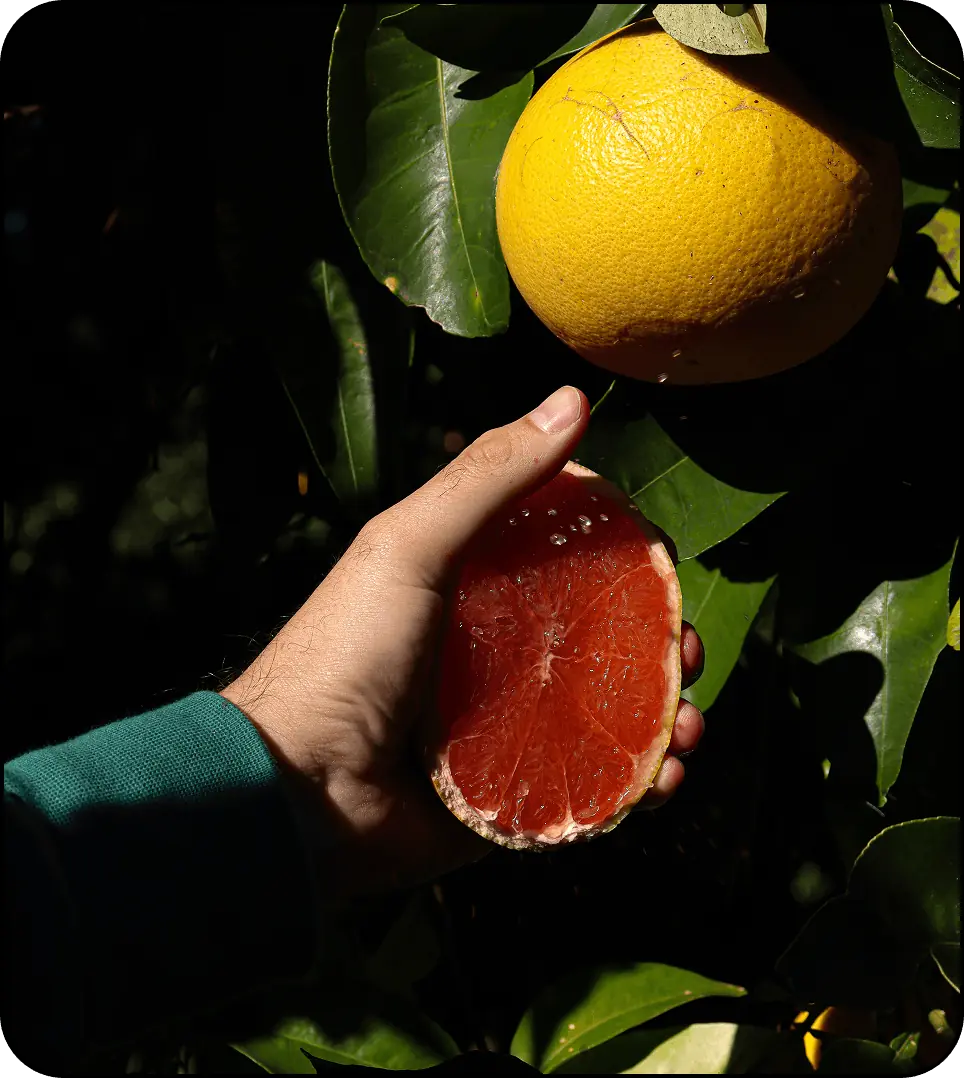
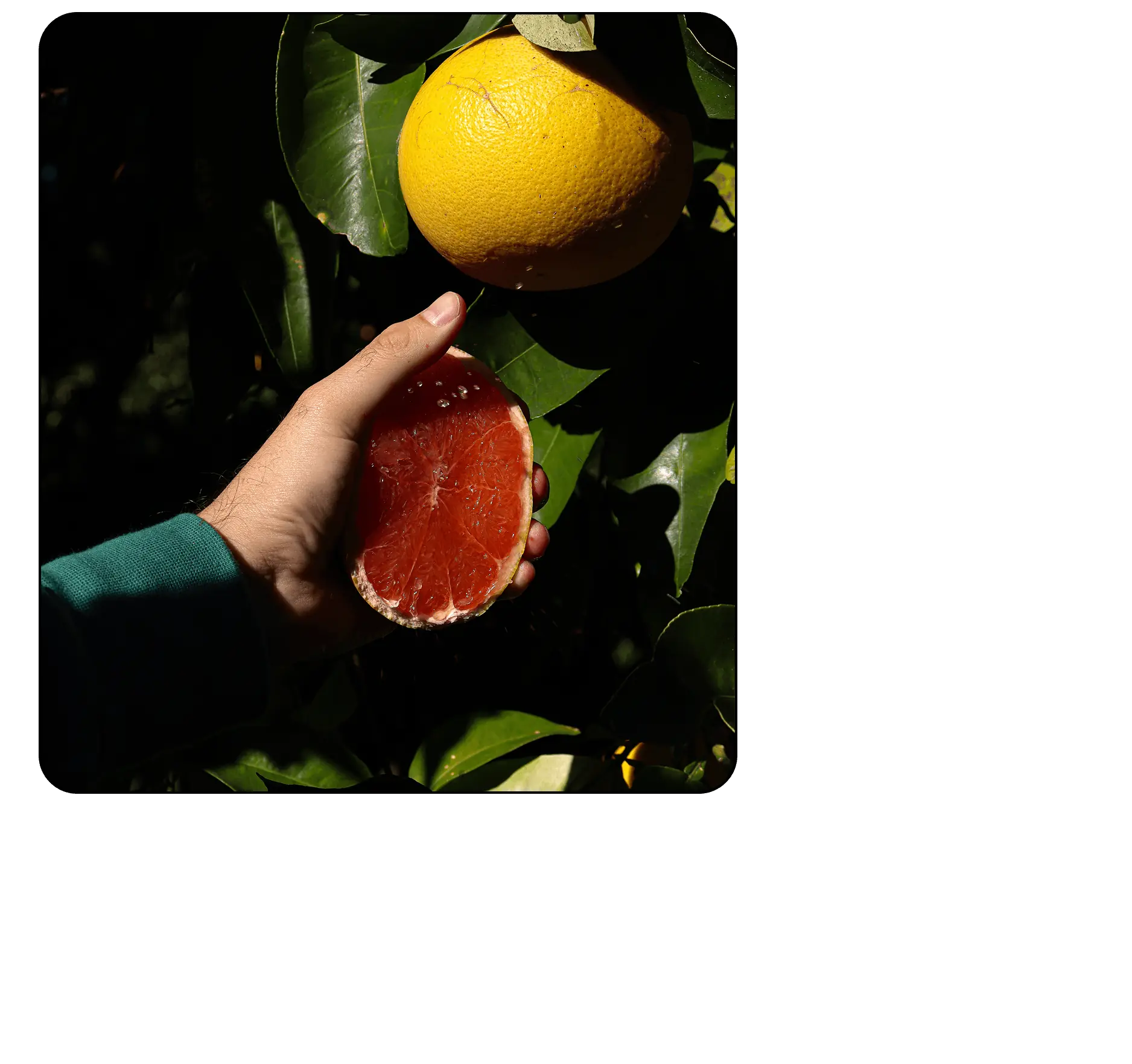
Citrus fruits are fragile and therefore particularly vulnerable to being off-spec. At Les Jardins de la Testa, every year, 600 tons of pomelos are set aside — that’s 40% of the production. Not because they’re bad. Just because they don’t meet market standards. In our eyes, they’re perfect.
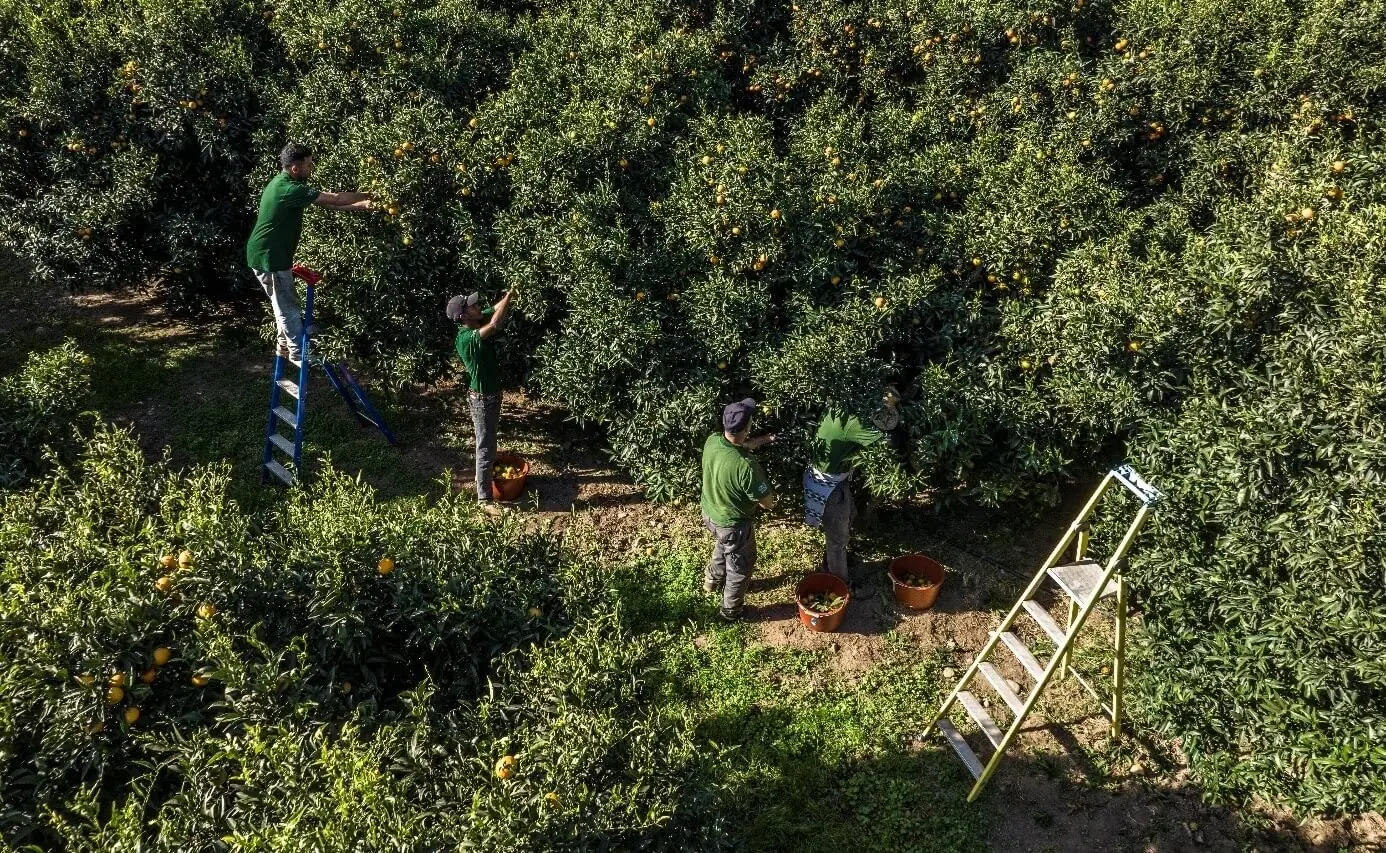
Since 1965, Les Jardins de la Testa has been growing citrus fruits as a family business in Sainte-Lucie de Porto-Vecchio. 100% organic, no pesticides, no chemicals, no GMOs. Each pomelo is picked ripe from the tree and delivered without any post-harvest treatment.
What it tastes like
Juicy, sweet, slightly tangy, with no bitterness at all. Red flesh, seedless. A pomelo certified PGI Corse since 2014.
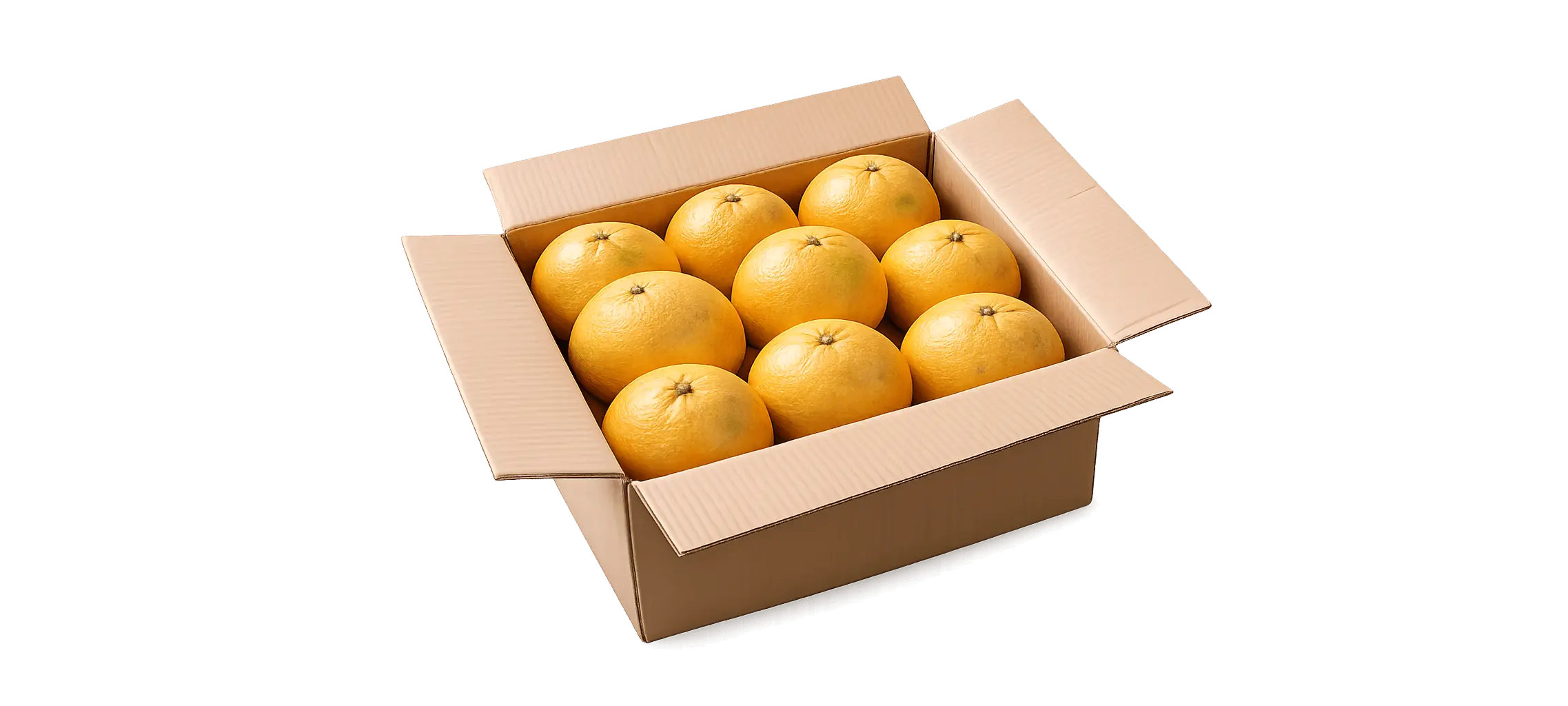
One-time delivery, separate from Uglyfruits subscription
Whole, they keep for about 10 days at room temperature in a cool, dry place away from bananas and apples, which speed up their aging. In the fridge, up to 3-4 weeks.
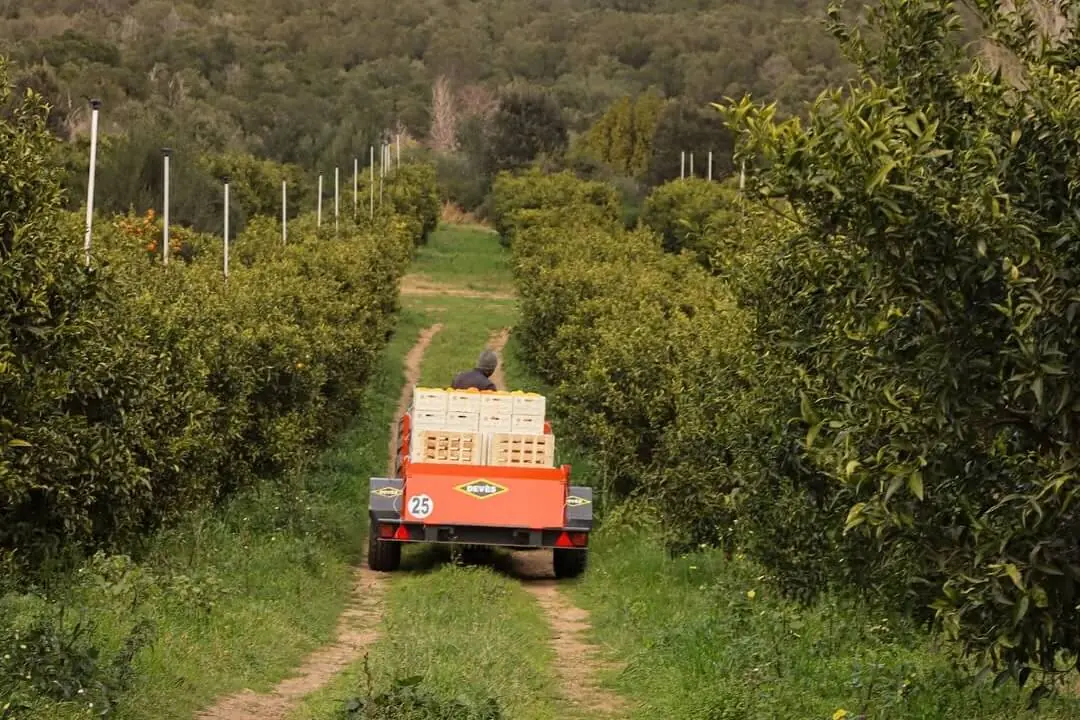
What we call “grapefruit” isn’t really a grapefruit. It’s a pomelo — born from an accidental cross between a pummelo tree and an orange tree, in the Caribbean, in the 18th century. The only citrus fruit that doesn’t originate from Asia.
Its name comes from the Dutch pompelmoes — pompel meaning “big,” limoes meaning “lemon.” Literally: big lemon. The English called it grapefruit because its flowers grow in clusters, like grapes. Two countries, two logics, the same fruit.
In Corsica, citrus cultivation dates back to ancient times. But the pomelo only arrived in the 1970s — to take over from clementines, whose season ends where the pomelo’s begins. A practical choice that worked out well: today, the island’s eastern plain produces the only PGI pomelos in France.
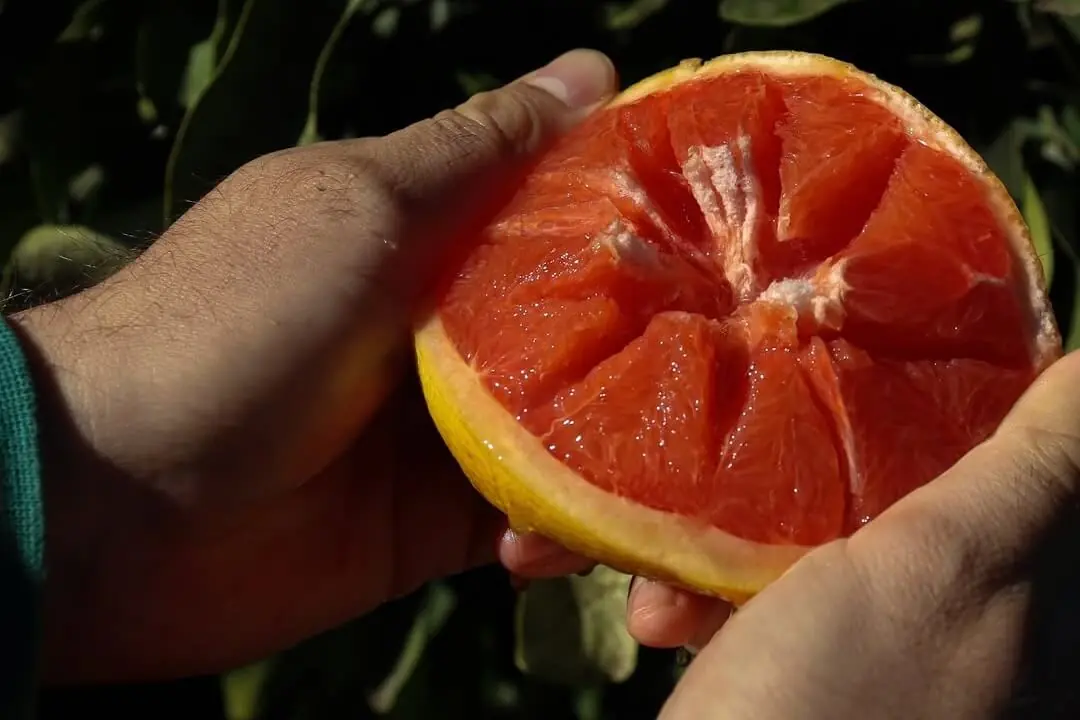
What sets the Corsican pomelo apart from what you usually find on store shelves: no bitterness.
Pink to deep red flesh, juicy, sweet with a fine touch of acidity. The PGI specifications require a sugar/acidity ratio above 6, measured by refractometry before each harvest. And since it’s a non-climacteric fruit, it doesn’t ripen after being picked — what you receive is at its peak flavor. No compromise.

Oh no, it's already sold out
The next flash offer is coming very soon.
Subscribe to the newsletter to be the first in line!