Parsley root: this little-known vegetable that deserves our attention
When we talk about parsley, we immediately think of the green leaves that garnish our dishes. But do you know its less famous cousin, parsley root?
What is parsley root?
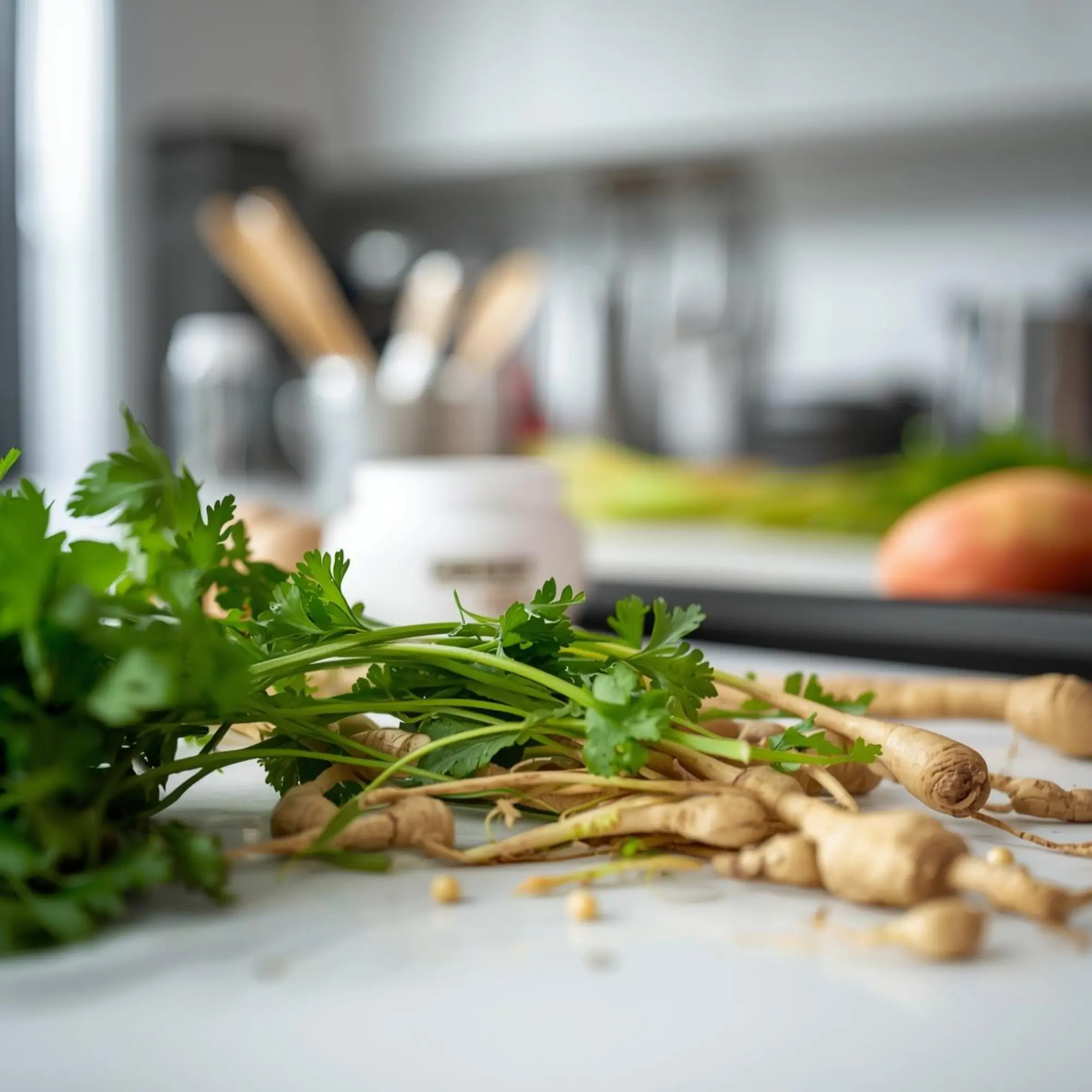
Parsley root (Petroselinum crispum var. tuberosum), also called Hamburg parsley, is a variety of parsley grown not for its leaves, but for its fleshy white root. This root looks like a parsnip or small white carrot, typically measuring between 15 and 20 cm long, with a subtle flavor that’s reminiscent of both parsley and celery.
Origins and cultivation in Switzerland
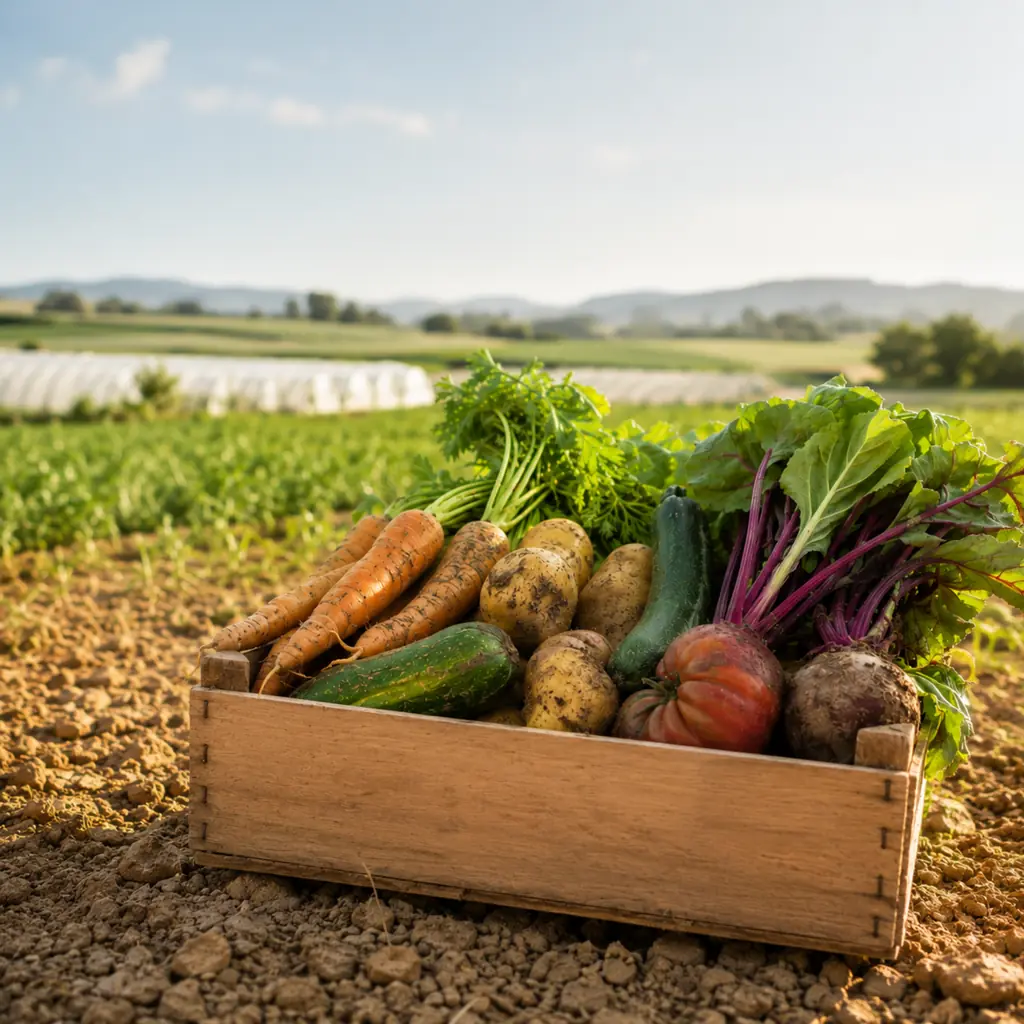
Grown since the Middle Ages in Central and Eastern Europe, parsley root was particularly valued for its ability to keep throughout winter. In Switzerland, this vegetable is part of culinary traditions, especially appreciated in German-speaking cantons where it remains a winter dish staple. Swiss producers mainly grow it in open fields, with harvests that span from October to March. More and more small farms are bringing parsley root back into fashion, particularly in organic vegetable baskets, allowing us to enjoy a local, seasonal product.
Nutritional benefits
This humble vegetable packs many health benefits:
- Rich in vitamin C: perfect for boosting your immune system in winter
- Source of fiber: excellent for digestion
- Low in calories: about 50 calories per 100g
- Rich in minerals: potassium, calcium and magnesium Contains antioxidants and vitamin K
How to store it properly?
In the refrigerator: wrap the roots in a damp cloth, then place them in the vegetable drawer. They’ll keep for 2 to 3 weeks this way. In a cellar: in sand, like carrots, for several months. Tip: don’t throw away the leaves! Use them to flavor broths and soups.
How to cook it?
Parsley root is very versatile in cooking:
- As a purée: alone or mixed with potato
- In soup or cream soup: paired with potatoes or leeks
- Roasted in the oven: cut into sticks with olive oil and herbs
- In gratin: thinly sliced with cream and cheese
- In stews: as you would with celeriac
- Raw and grated: in salad with carrots and lemon
Preparation: brush, peel thinly, cut the ends and plunge in lemon water to prevent oxidation.
It pairs particularly well with white meats, fish, other root vegetables, and mild spices like nutmeg and cumin.