Blog
Preservation is an art (and a bit of science too)
Are you more of the "I eat everything quickly" type or the "I forget a beet in the back of the fridge for three weeks" type?
Either way, knowing how to properly store your fruits and vegetables is the foundation for avoiding food waste, preserving vitamins… and saving the ugliest ones from a premature compost fate
1. Cold storage: fridge or freezer
- The fridge slows down deterioration: perfect for leafy greens, carrots, broccoli, etc.
- The freezer is the ultimate anti-waste weapon: remember to blanch vegetables before freezing and to freeze homemade cooked dishes.
Warning: tomatoes, avocados, potatoes = no fridge, otherwise they get weird (in texture or taste).
2. Room temperature storage
- Perfect for: squashes, onions, garlic, potatoes (in a cool, dry, and dark place).
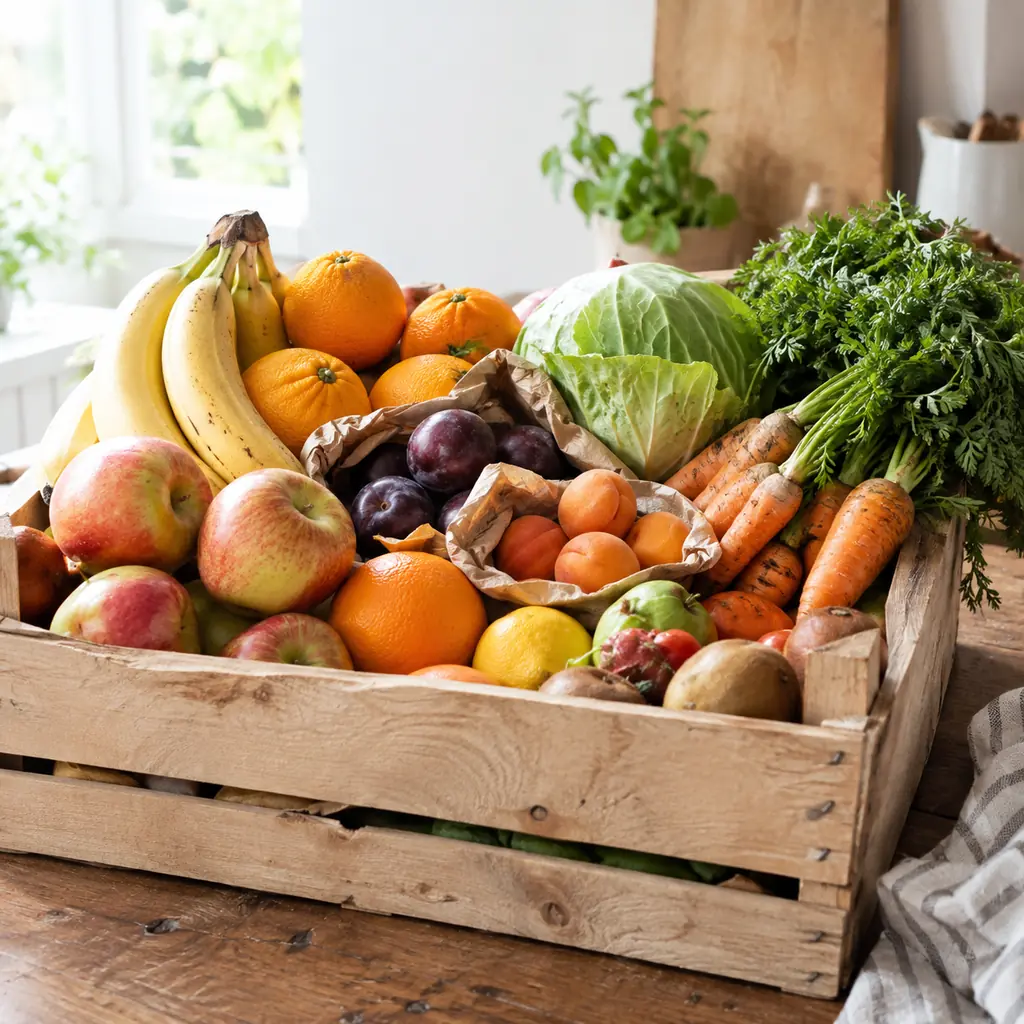
- Climacteric fruits (apples, bananas, pears) continue to ripen at room temperature. Handy for speeding up an avocado’s ripeness, less so for a full fruit bowl forgotten for 5 days…
3. Preserves (jars, lacto-fermentation)
- Homemade jars, pickles, lacto-fermented vegetables: it’s scary the first time, but then… it’s addictive (and very good for your microbiome)
- You can also preserve in oil, vinegar, or salt. Big comeback of grandma’s recipes, but Ugly and stylish version.
4. Drying and dehydration
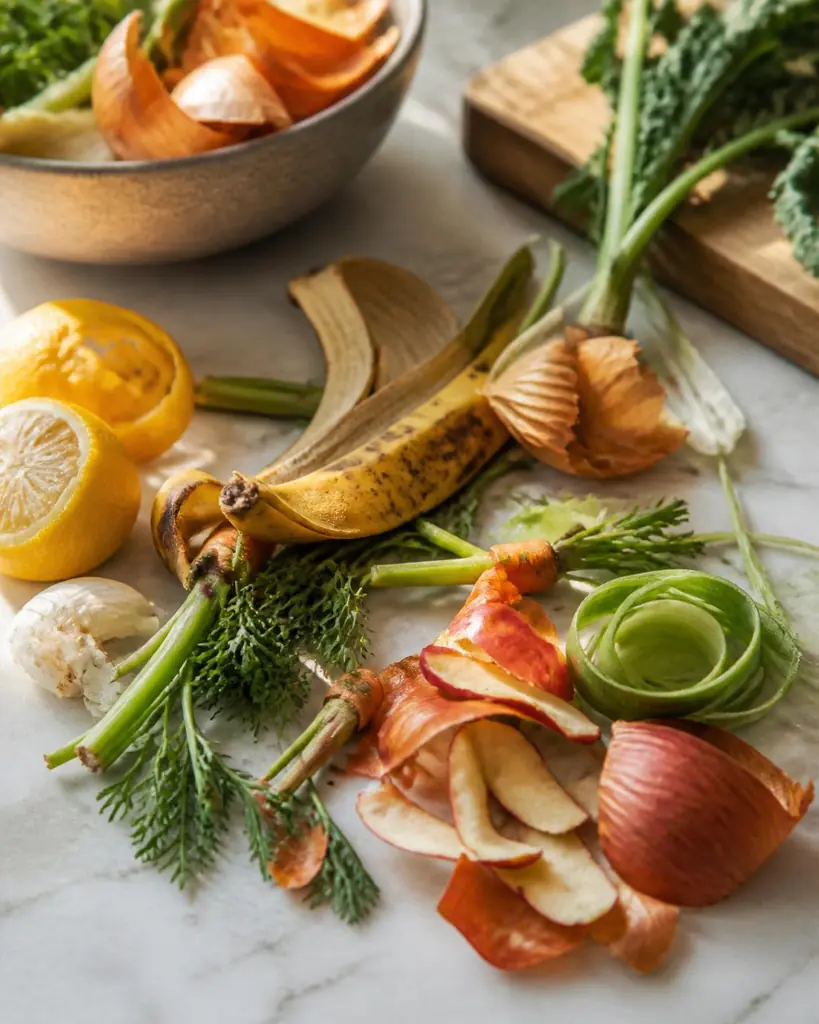
- A practical (and zero waste) solution for herbs, tomatoes, or even apple peels to transform into teas or chips.
Preserving isn’t cheating. It’s extending, transforming, elevating. ✌️