Organic citrus fruits: what makes the difference?

A lemon is a lemon? Not quite. How does an organic citrus fruit differ from a "regular" one? Is it just a pricier label or is there a real difference? Spoiler: there's a world of difference between the two
? The skin (and what it hides)
The real star of the differences is the skin. Non-organic citrus fruits are often treated after harvest with fungicides, preservation waxes and other little ingredients that aren’t exactly appetizing (or labeled). Result: best avoided for zests or infusions.
✨ With organic citrus, you can zest, candy or grate with complete peace of mind. And that’s precious.
? Fewer treatments, more flavor
No synthetic treatments, no chemical pesticides… organic citrus fruits grow in a more natural environment. Which often results in:
- a more intense flavor (less standardized, more “real”)
- thinner skin
- slightly shorter storage life (but more natural)
? A small fruit, a big impact
Choosing organic also means supporting agriculture that’s:
- more respectful of soils
- less dependent on chemicals
- more humane: often from small farms, sometimes certified for sustainable or fair trade practices
? And what does this change for you?
- You can use everything from the citrus fruit, even the zests
- Fewer unwanted residues in your morning lemon/honey tea
- A clearer conscience… and often better taste
? At UglyFruits, we love:
- Dried organic lemon zests to flavor rice or herbal tea
- Homemade candied peels (with sugar… and love)
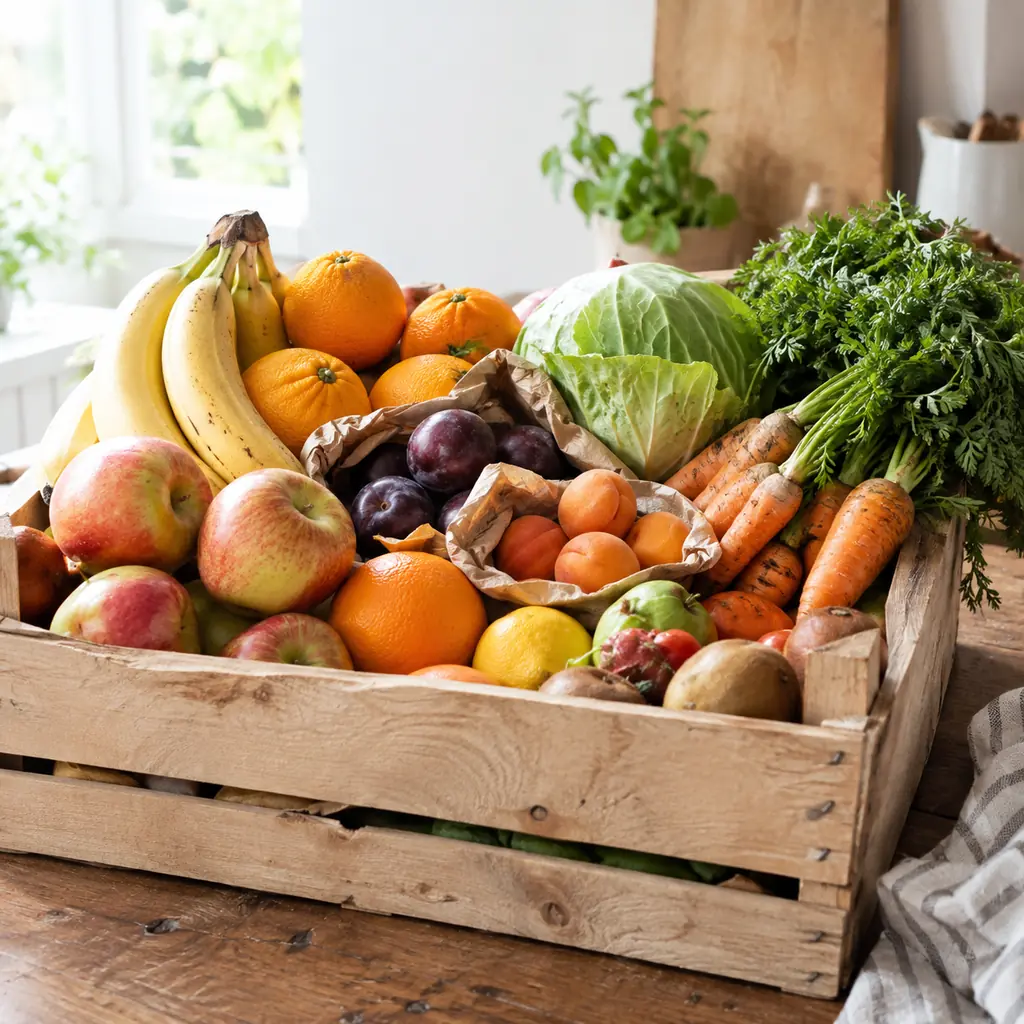
- Oranges to eat with your fingers, even if they don’t have the complexion of an ad