Grown by the Abt family, who have run Rütihof farm in Aargau for five generations, these organic sweet potatoes didn't win any beauty contest!
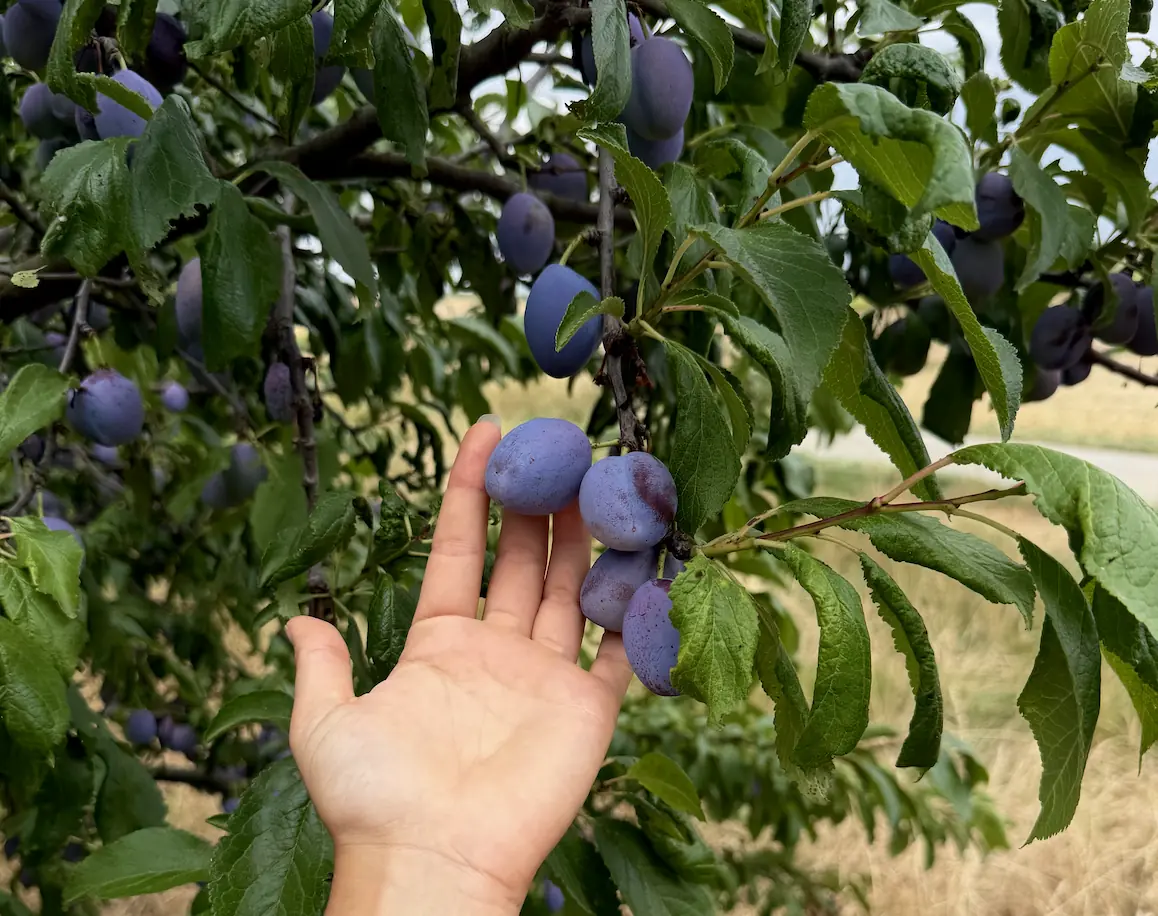
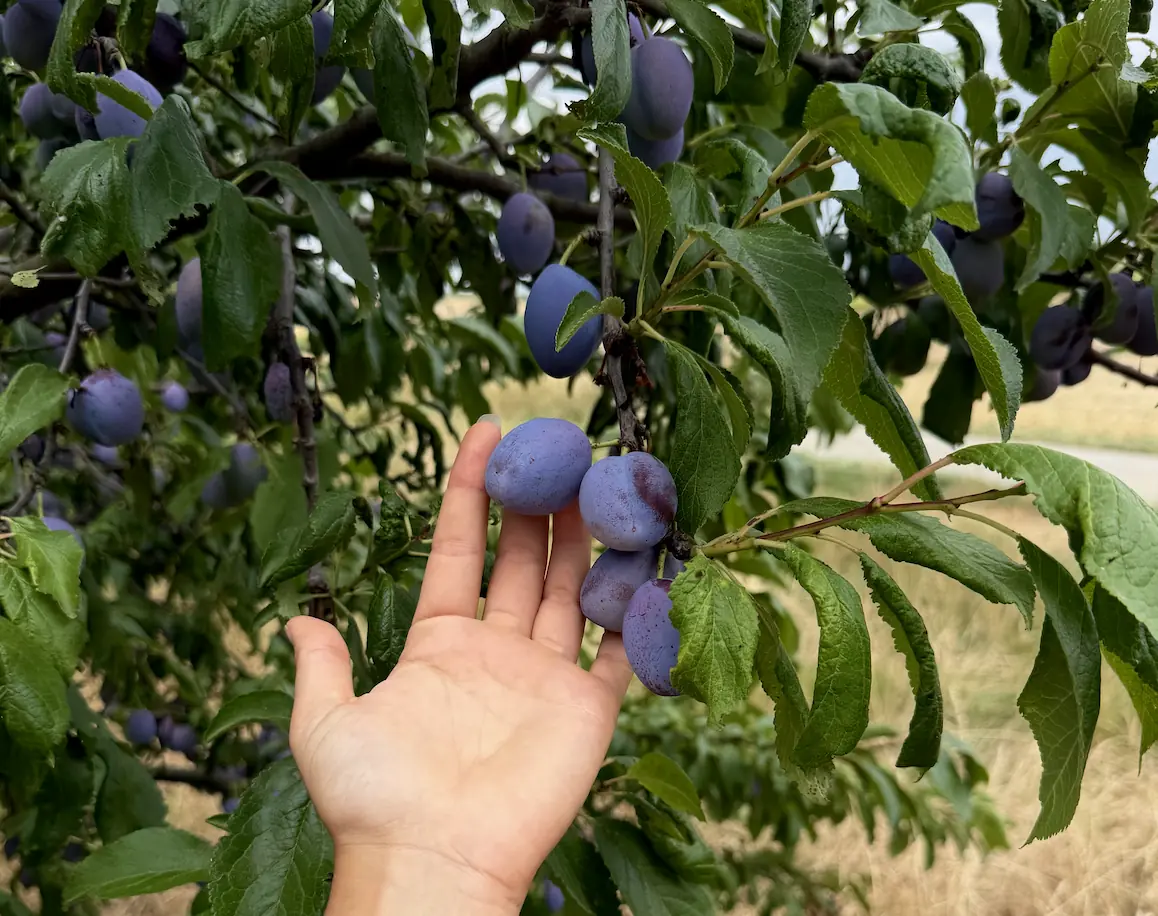
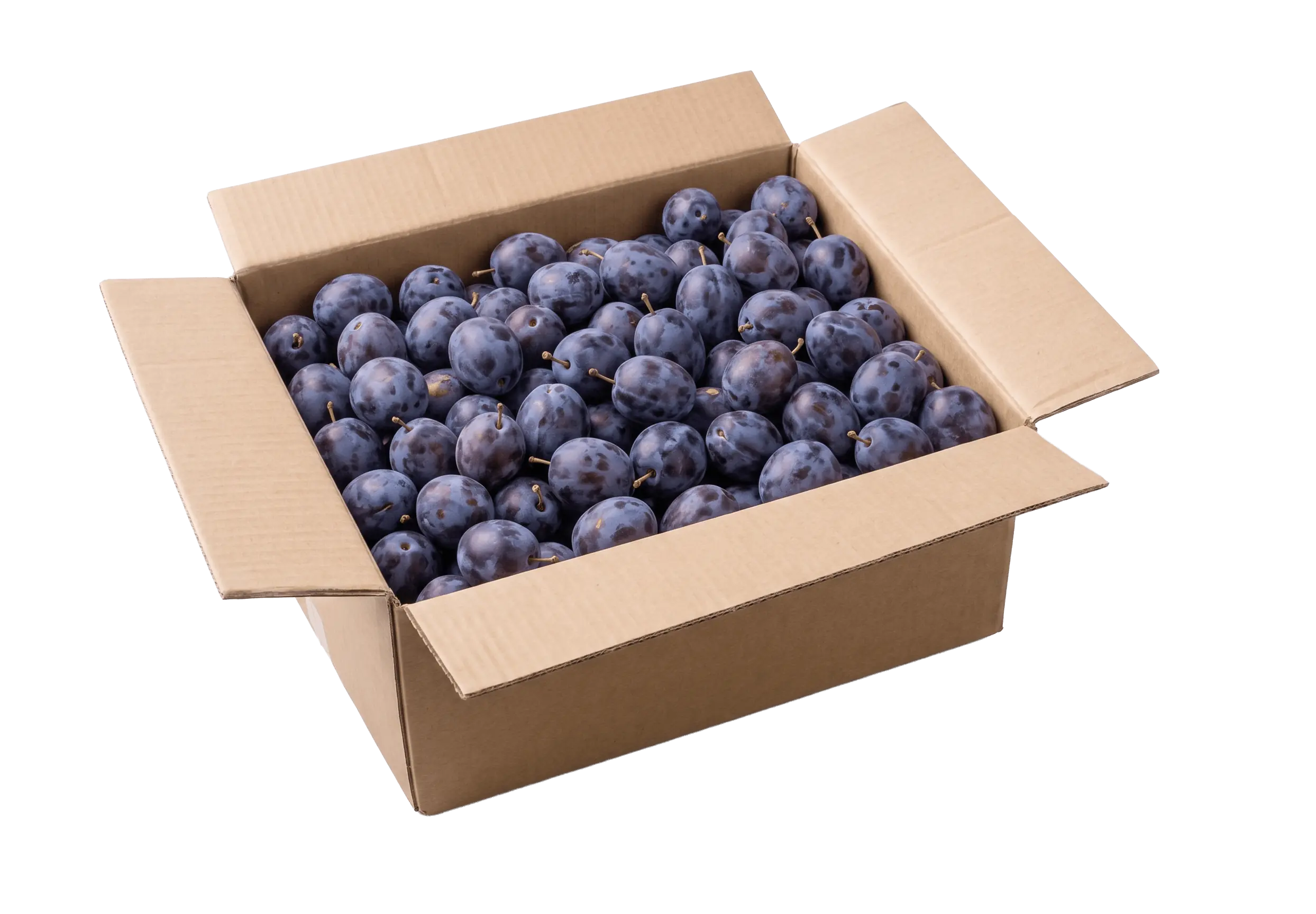
Plums have thin skin. A cold snap that slows their growth, a bit too much sun, a neighboring branch rubbing against them as they grow—and the fruit stays too small or keeps a blemish. Nothing that changes the taste, but enough to fail the quality control of big supermarkets, where only appearance matters.
That’s the fate of over a ton of the harvest from Ferme Barilier’s young orchard in Romanel-sur-Morges. Rather than letting it go to waste, we’re buying it and offering it to you at a sweet price—that’s the whole point of flash sales.
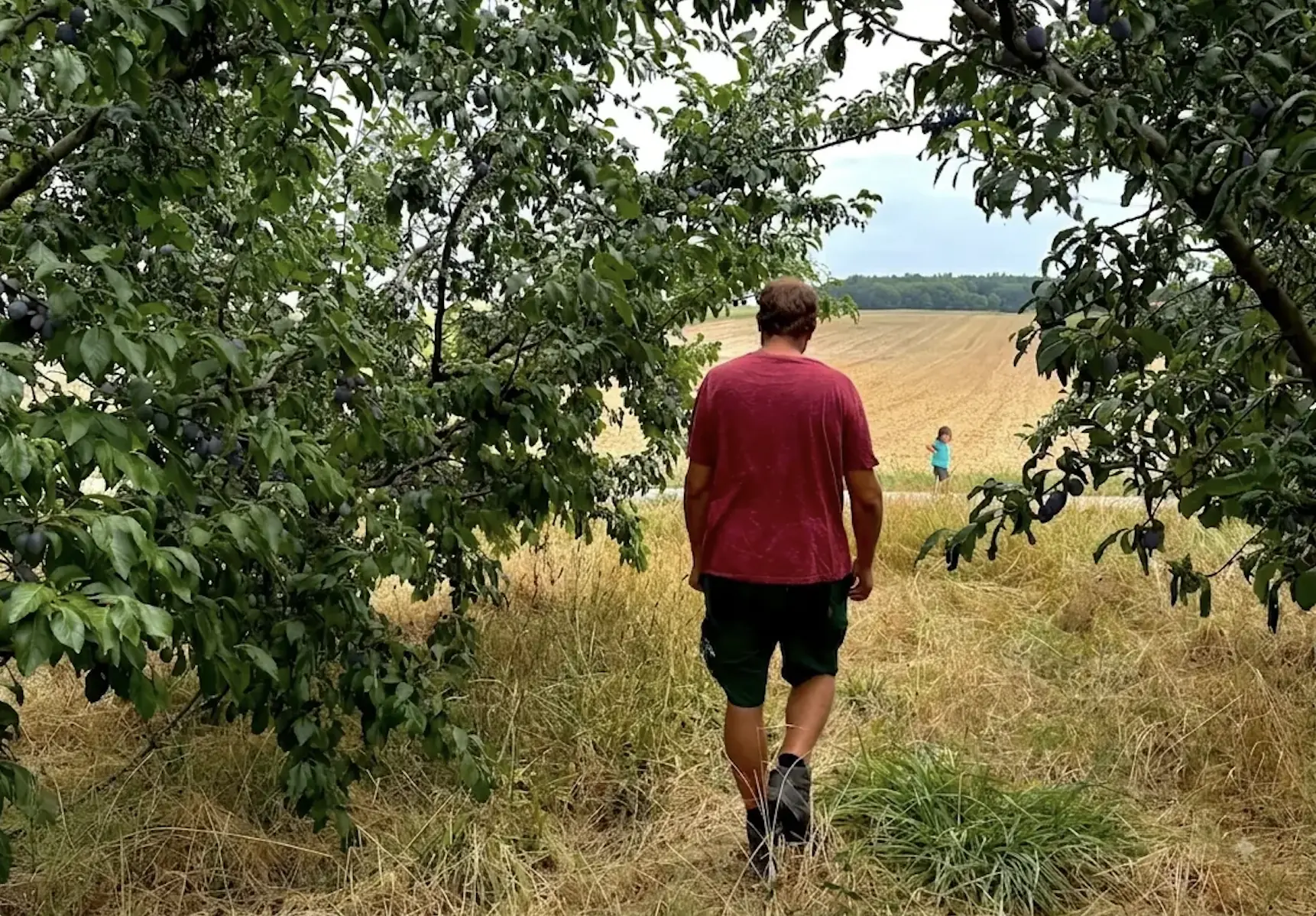
In Romanel-sur-Morges, in the canton of Vaud, the Barilier family cultivates around 50 hectares: ten hectares of vineyards, heritage grains milled into flour, cold-pressed sunflower and rapeseed oils, and since 2019, a young orchard of Fellenberg plums. All certified Bio Suisse and Demeter.
A family story
About twenty years ago, Jonathan’s father made a choice that was still uncommon at the time: converting the farm to organic. Jonathan grew up in that spirit. He’s been working on the estate for ten years and took over the reins two years ago.
The plums are grown extensively: trees that are more spaced out, more autonomous, with fewer interventions, giving the plum trees time to establish at their own pace rather than forcing yields. Pruned into a goblet shape—a low, spread-out form—they’re harvested entirely from the ground.
One-time delivery, outside Uglyfruits subscription
Count on 2 to 3 days at room temperature, and up to 5 to 7 days in the refrigerator. The game-changing tip: don’t remove the whitish film covering the skin—this bloom naturally protects the fruit and slows aging. If they’re still firm when you receive them, let them ripen at room temperature before putting them in the fridge.
The Fellenberg variety likely came from Lombardy, introduced to Switzerland around 1800, imported by a Swiss man named… Fellenberg. It’s the most cultivated variety in French-speaking Switzerland, and one of the only ones sold under its own name rather than generically as “plum.” Across the country, plums cover more than 322 hectares, with Northwestern Switzerland as the main production region.
On the tradition side, there’s a celebration unique to French-speaking Switzerland: the Federal Day of Thanksgiving, Repentance and Prayer. Decreed in 1832 as a day of penance and prayer for the entire Confederation, it falls on the third Sunday of September every year.
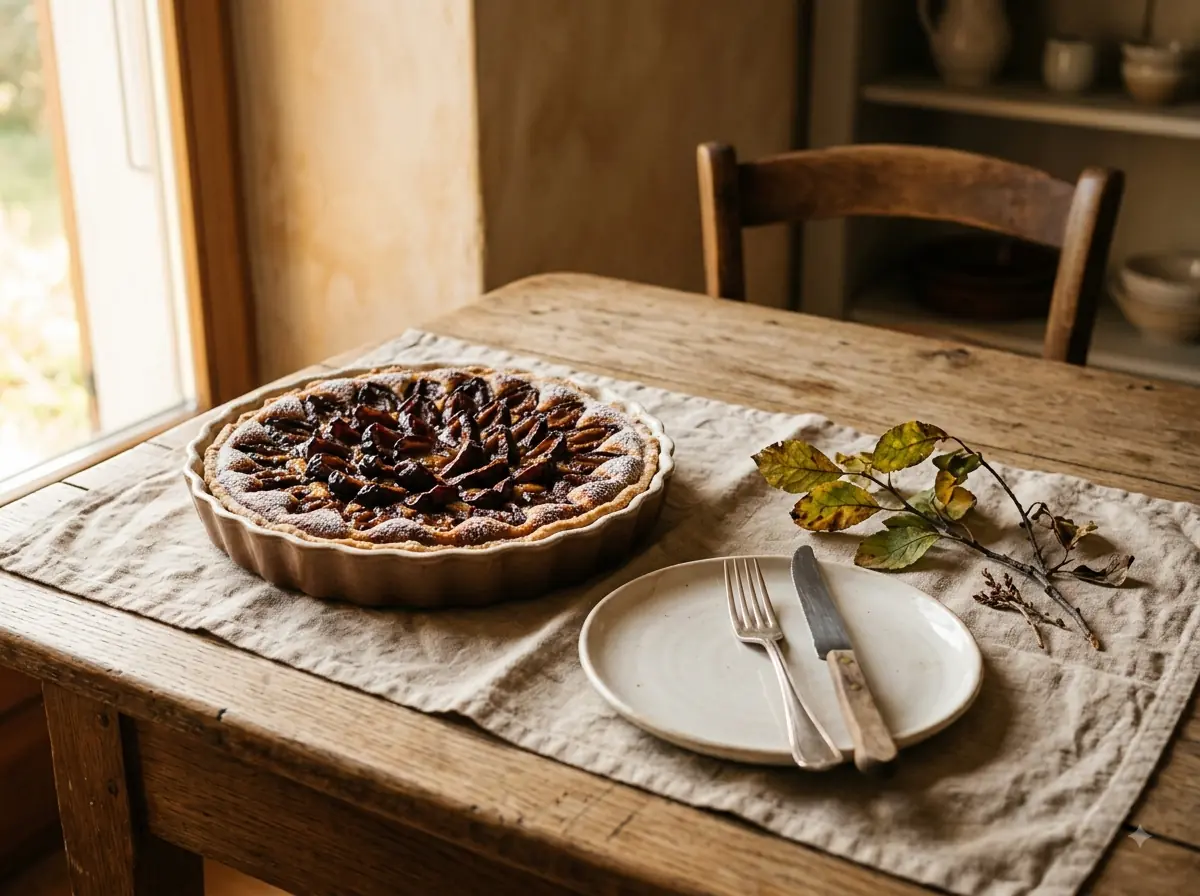
Vaud, Neuchâtel, Geneva, and the Fribourg district of Lac keep the tradition of plum tart alive—originally the only meal of the fasting day, prepared simply with what the season offered. Plums became the star because they were, quite simply, ripe at the right time.
Oh no, it's already sold out
The next flash offer is coming very soon.
Subscribe to the newsletter to be the first in line!