
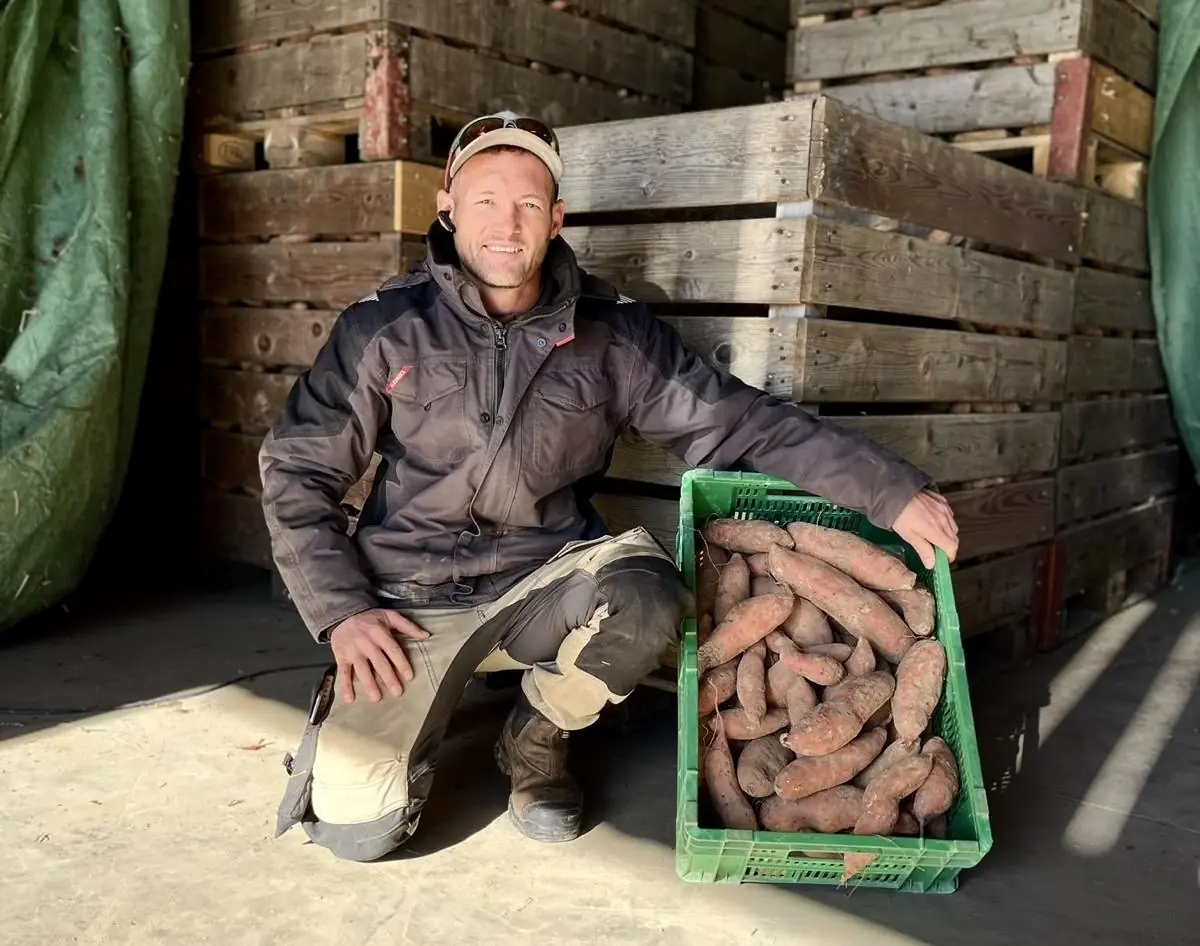
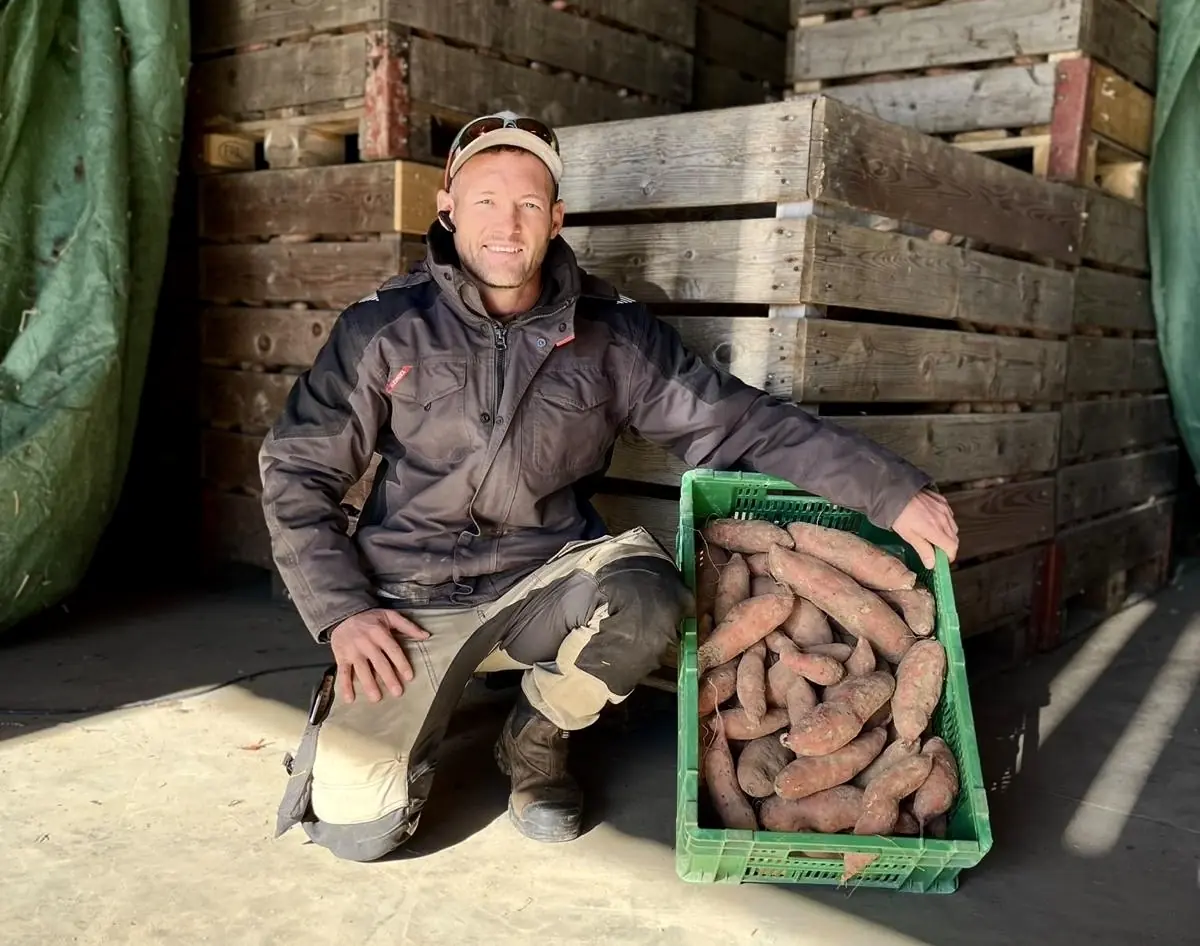
This year, the entire sweet potato harvest from Rütihof farm was rejected from traditional supply chains: a few surface marks that don’t meet the usual aesthetic standards. Nothing that affects the flesh or flavor. In the distribution world, appearance often decides everything, even when the vegetable is perfect on the inside.
These organic sweet potatoes from Rütihof farm in Bünzen have no market. We’re rescuing them and bringing them to you, just like every flash rescue.
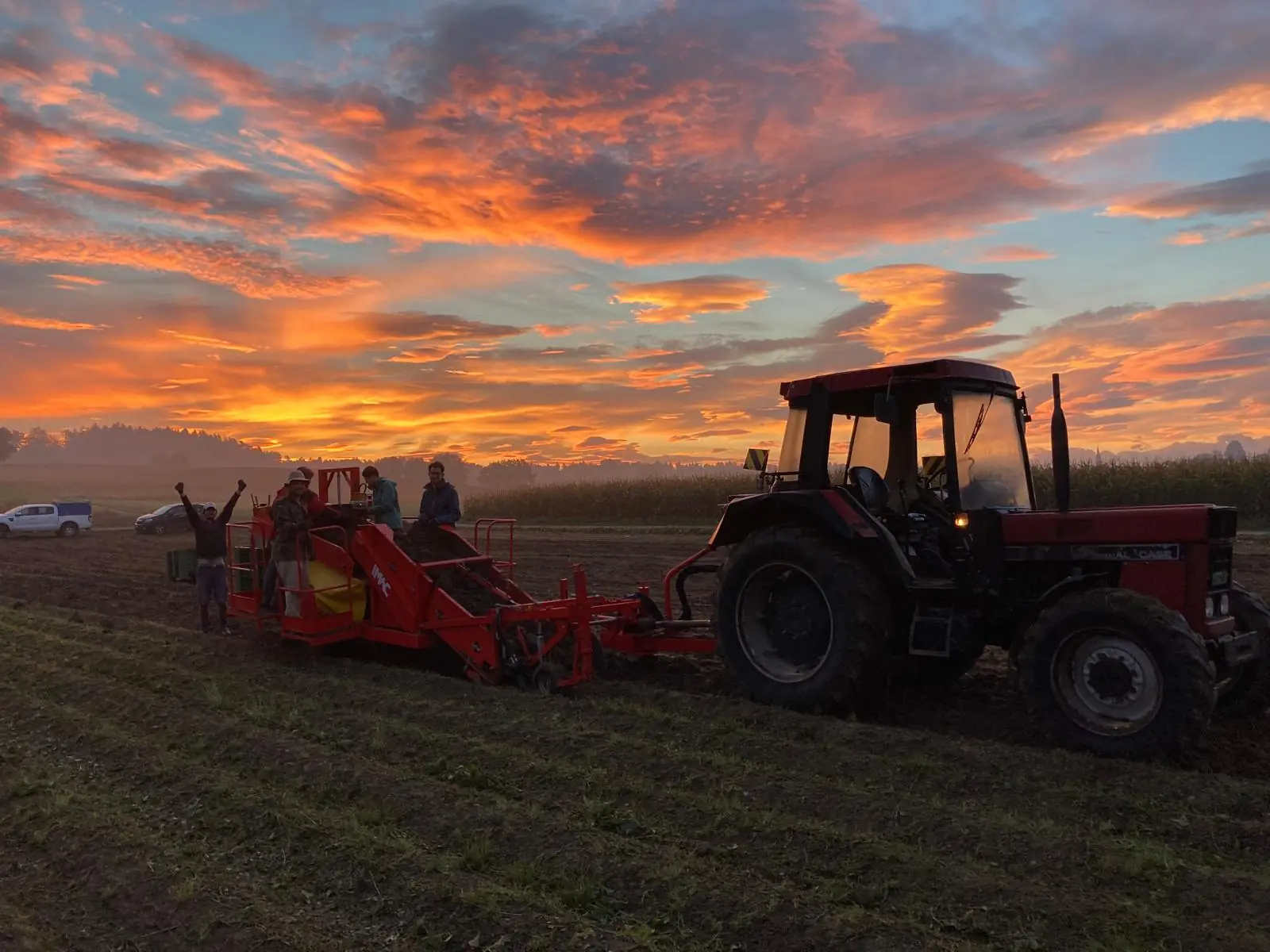
Rütihof is a diversified farm nestled in the Bünz Valley in Aargau. It’s been cultivated for five generations by Hansjörg Abt, using organic farming methods since 1990.
The farm combines organic market gardening and organic cattle farming, along with wheat and sweet corn in addition to sweet potatoes. Rütihof also places great importance on biodiversity: hedges planted between fields serve as refuges for birds and insects, wildflower meadows feed bees and other pollinators, and extensive grasslands, mowed sparingly, let nature reclaim its space between harvests.

One-time delivery, separate from your UglyFruits subscription
When stored properly, they’ll keep for up to 6 months. To enjoy your sweet potatoes as long as possible, here are a few simple rules to follow:
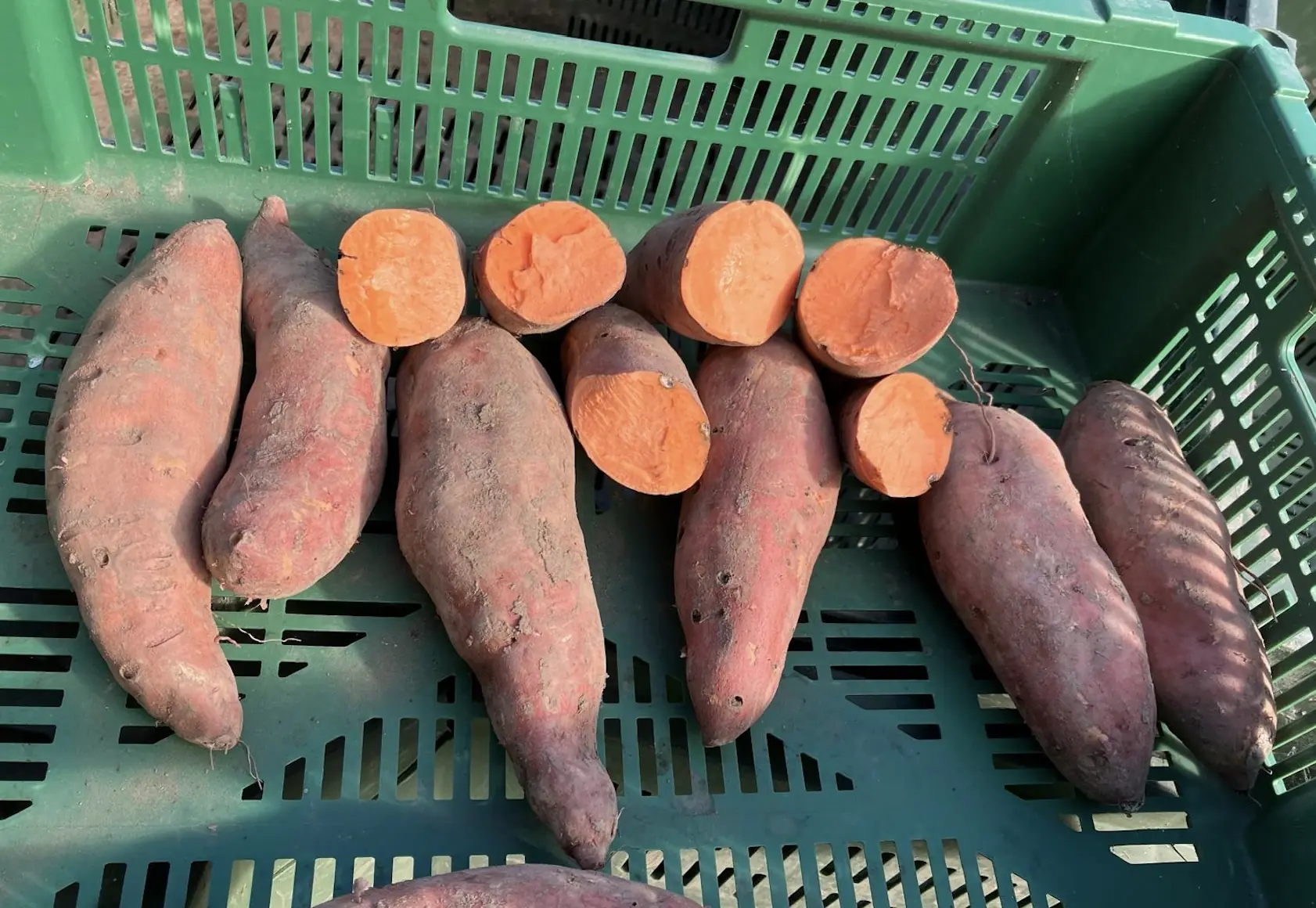
Yes, these are tunnels left by wireworms that live naturally in the soil. During sudden droughts, they dig toward moisture and sometimes encounter developing sweet potatoes. By harvest time, the worms are gone, but the surface holes remain, without affecting taste, texture, or shelf life. With increasingly frequent droughts in Switzerland, this type of challenge is affecting more and more producers.
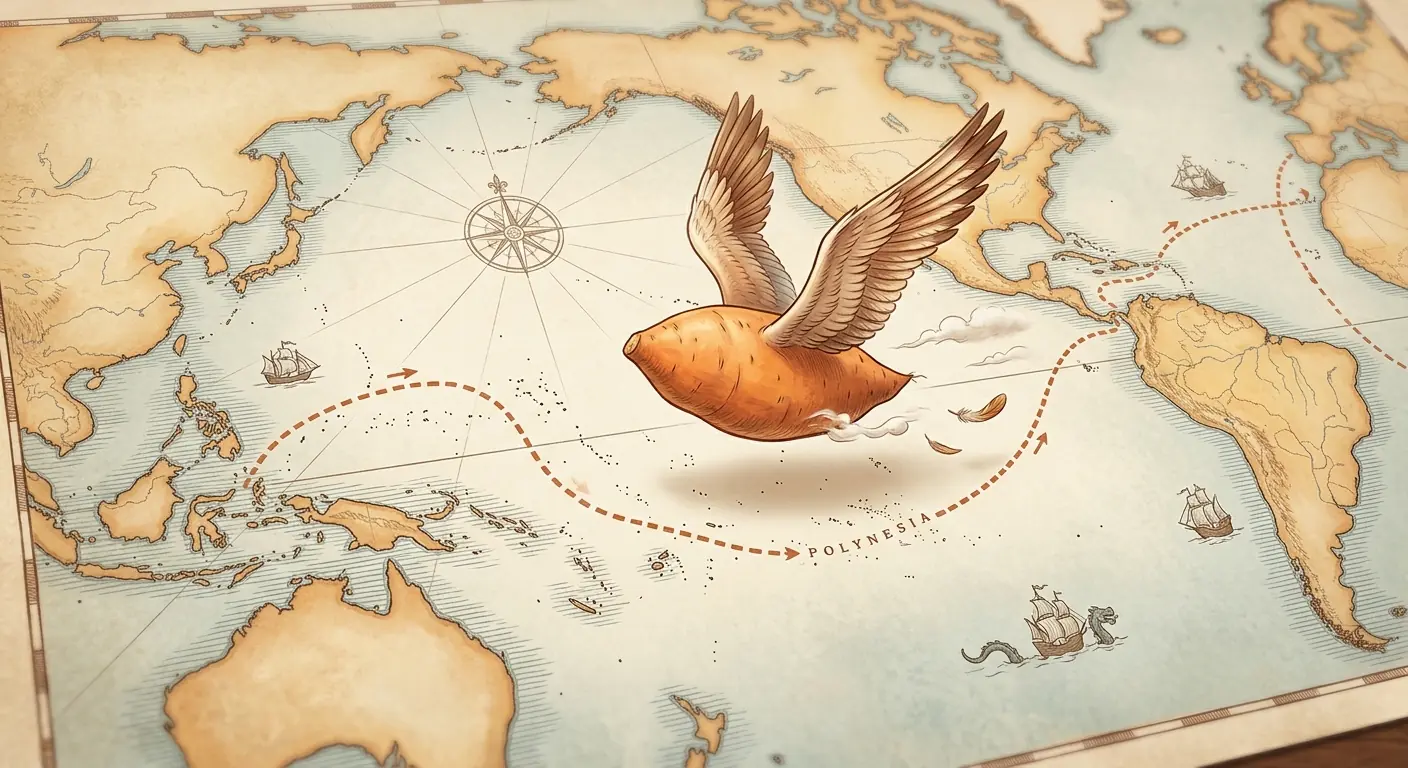
Despite what its name suggests, the sweet potato isn’t a potato at all: it belongs to the morning glory family (Convolvulaceae), botanically light-years away from the classic potato.
Originally from Central and South America, domesticated over 6,000 years ago, it also crossed the Pacific to Polynesia long before Christopher Columbus arrived in America. For a long time, people thought pre-Columbian sailors had transported it there. A recent genetic study, conducted on the DNA of nearly 200 specimens, tells a different story: the plant arrived naturally, carried by wind, sea, or birds. It even had its moment of glory under Napoleon: Joséphine de Beauharnais grew it in her garden at Malmaison.
Don't miss our next rescues
The next flash offer is coming very soon.
Subscribe to the newsletter to be the first in line!