
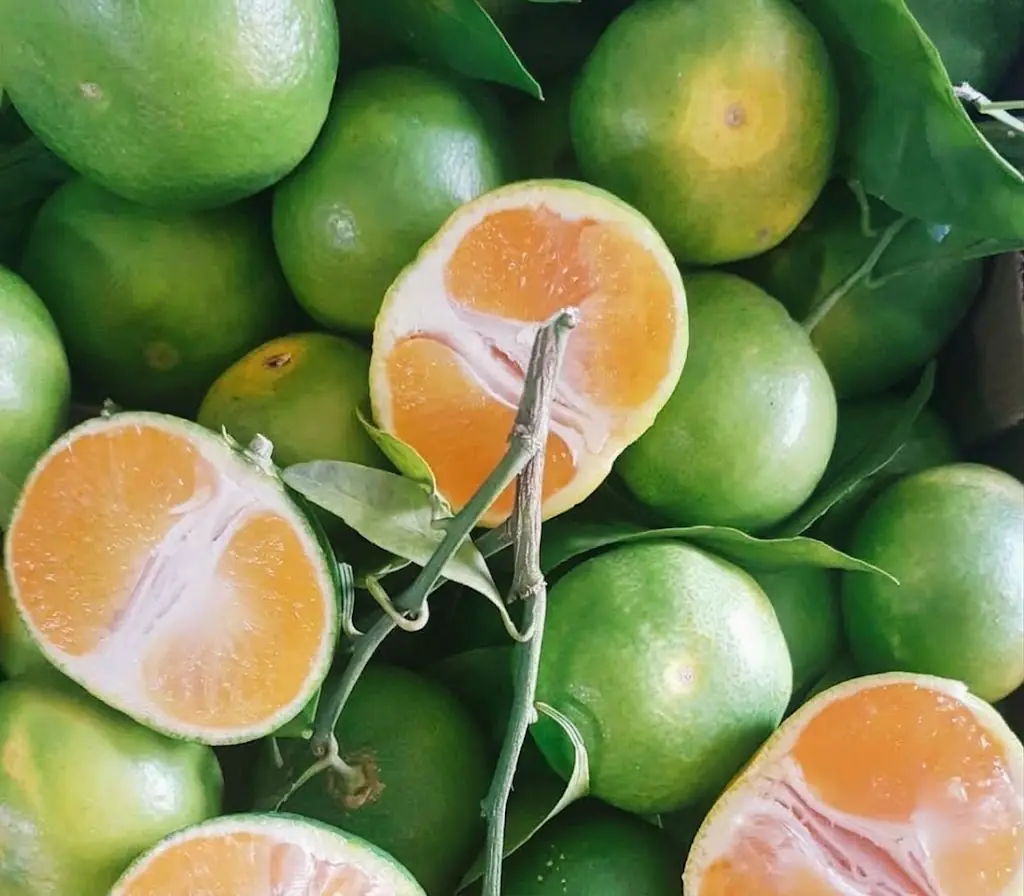
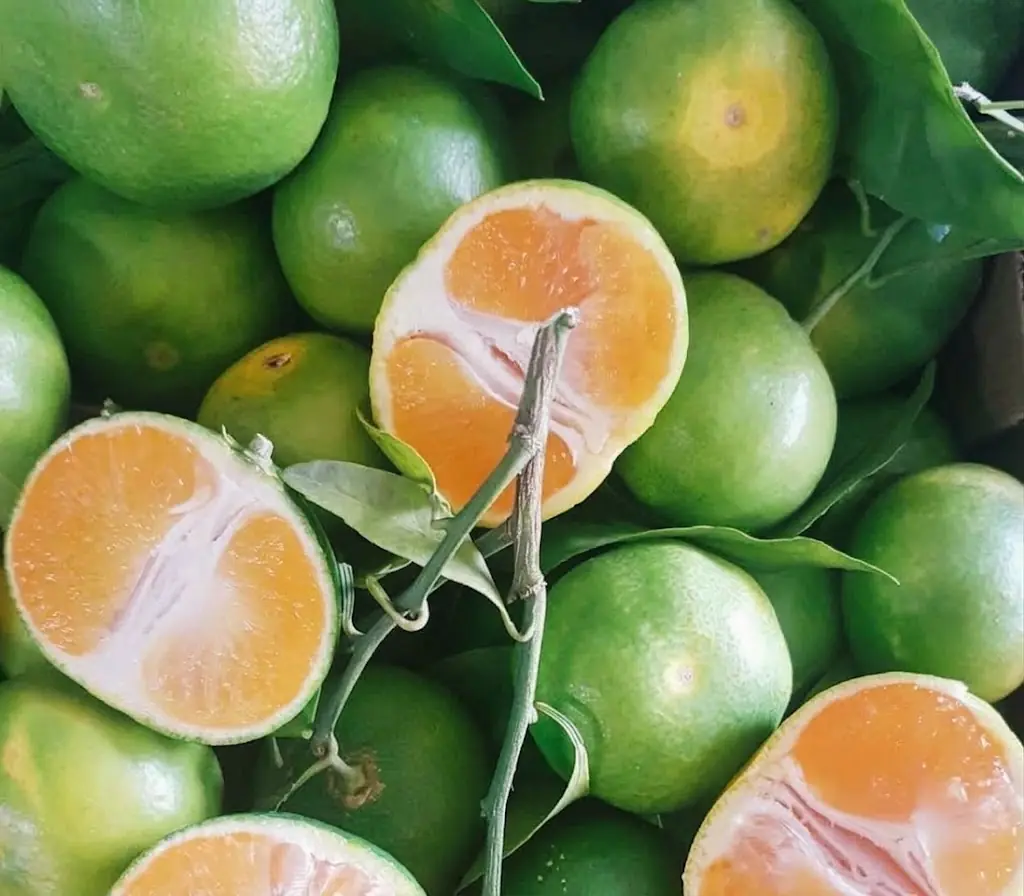
This summer, Sicily experienced an unusual heat wave, with temperatures reaching up to 45°C in some areas—one of the most intense summers ever recorded in the region. Such exposure can leave yellow spots on citrus skin, a bit like a sunburn, without ever affecting the flesh.
Fun fact: Satsumas usually keep their green skin even when fully ripe inside. This year, the sun had the last word and left its own signature.
Too marked to make it to regular store shelves, these mandarins are heading to Switzerland instead of ending up in the bin.
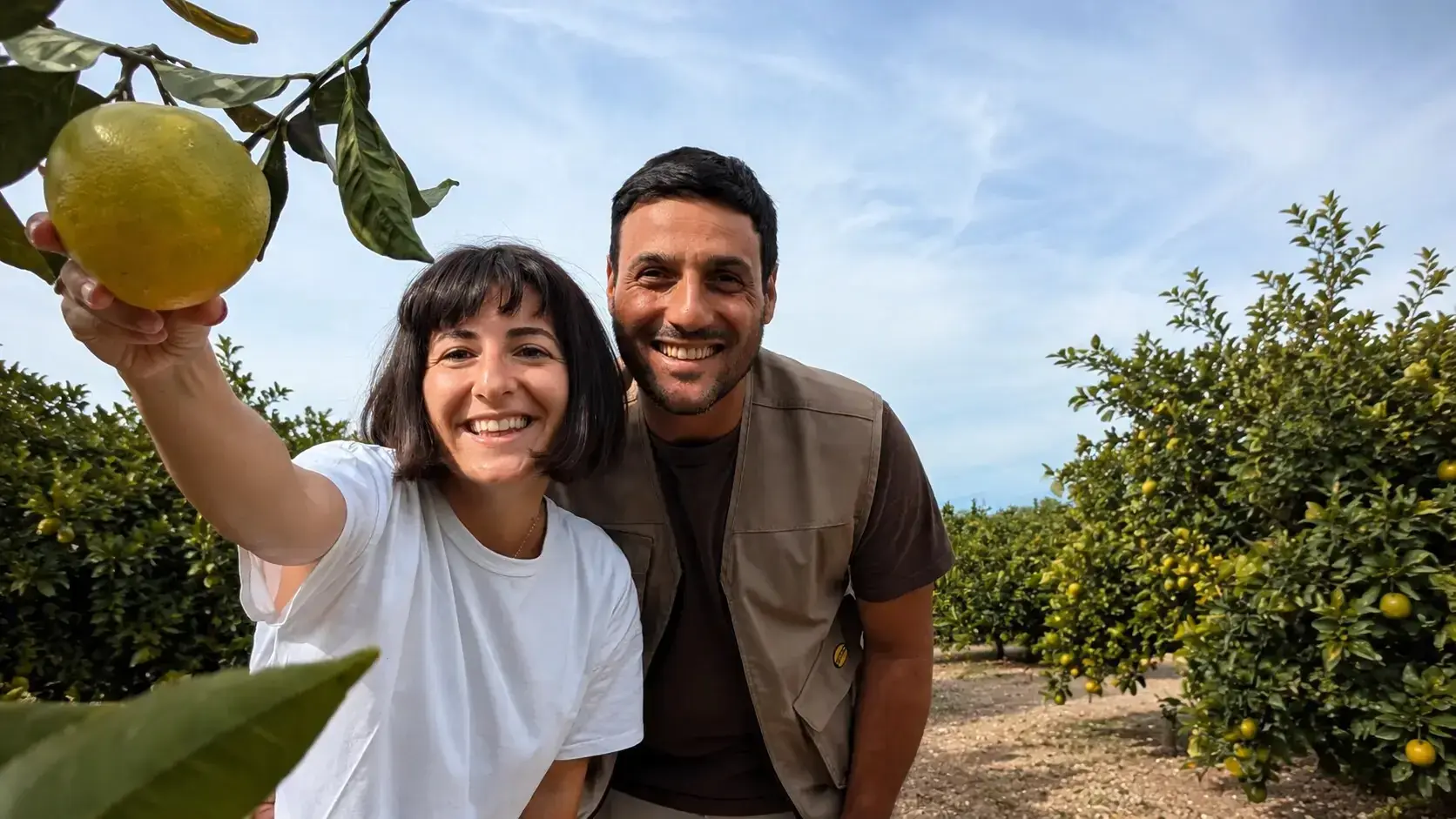
Biosiculà has been growing organic citrus for nearly 30 years along the Asinaro River on Sicily’s southeastern coast, in Avola—a small seaside town nicknamed “the pearl of the Ionian Sea.” Certified organic since 2006, the farm spans 16 hectares between Avola and Noto, in the province of Syracuse.
Throughout the seasons, the family cultivates different varieties according to a precise calendar. Their approach also aims to actively restore soil fertility rather than simply exploiting it, with particular attention to water management—a philosophy they sum up as: “What we grow today must continue to matter tomorrow.”
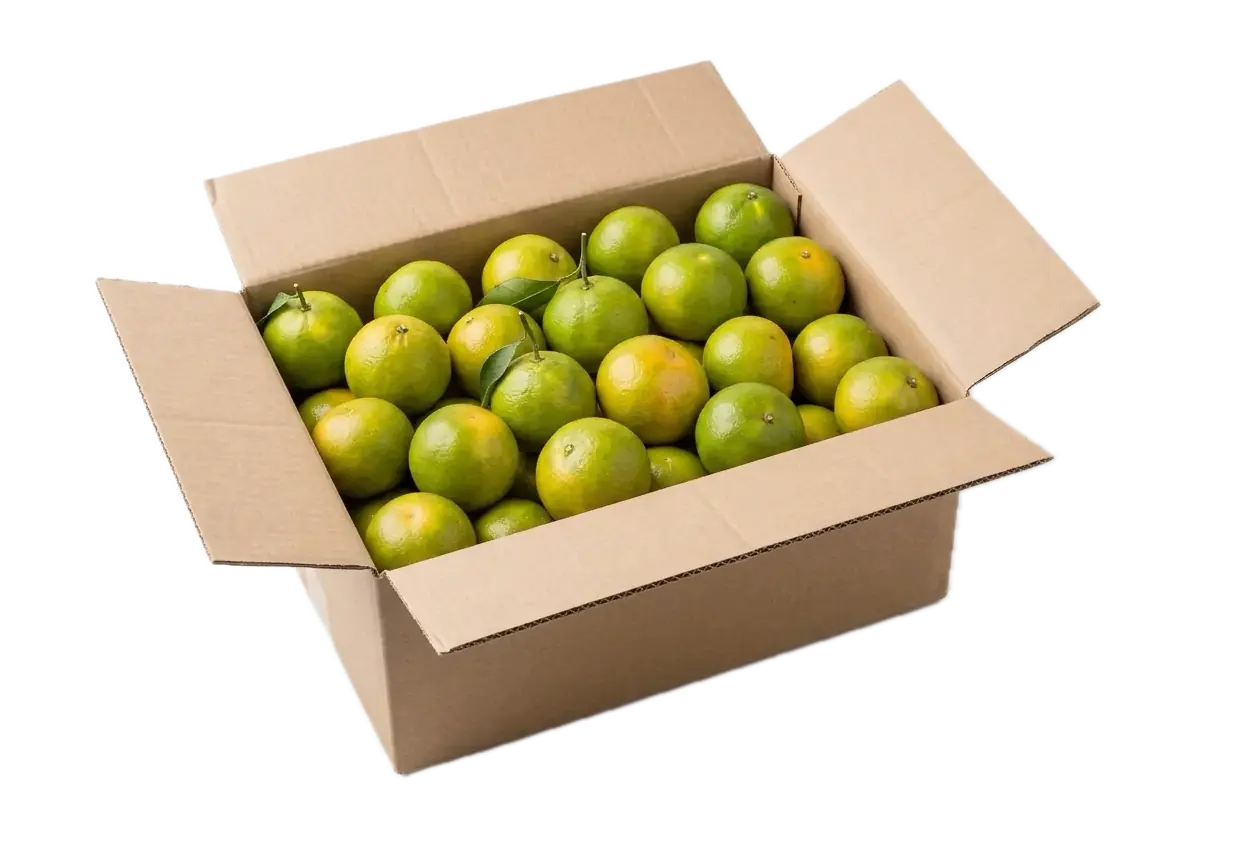
One-time delivery, outside the Uglyfruits subscription
Store your mandarins between 5 and 7°C, ideally somewhere with a bit of humidity—the crisper drawer in your fridge works perfectly. They’ll keep for up to 10 days without any issues. Take them out a little before eating: they reveal their flavors better at room temperature than straight from the fridge. Their thinner skin compared to other citrus makes them more sensitive to bumps—handle with a little care.
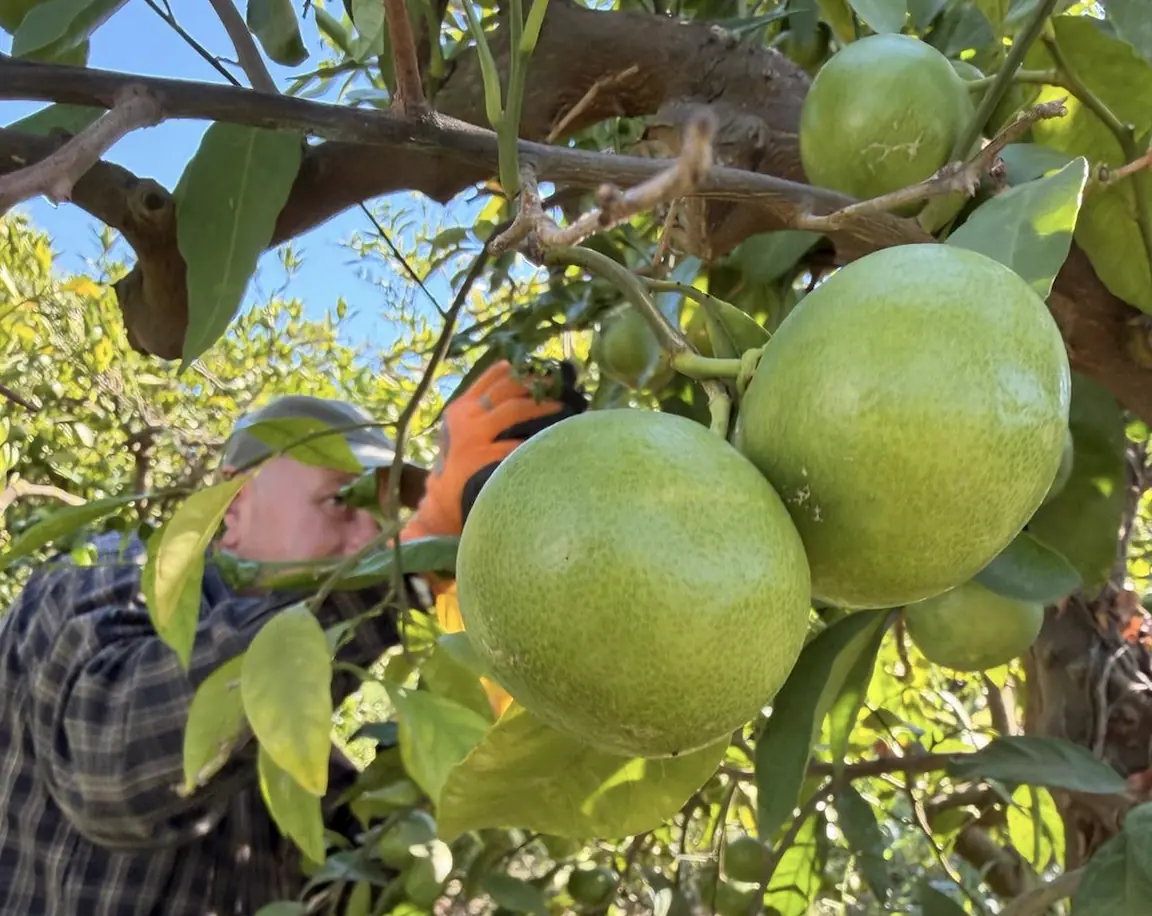
Originally from Japan, where it’s been cultivated for over 700 years under the name Mikan, the Satsuma (Citrus unshiu) crossed oceans in the 19th century before finding a climate suited to it in the Mediterranean.
Its skin peels away easily from the flesh—a real pleasure to peel by hand, with no seeds to spoil the experience.
Taste-wise, it offers a sweet and slightly tangy balance that varies subtly from year to year depending on the climate. It’s also a good source of vitamin C: a single fruit covers nearly 40% of the recommended daily intake.
Don't miss our next rescues
The next flash offer is coming very soon.
Subscribe to the newsletter to be the first in line!