Why fermenting your vegetables is a brilliant idea
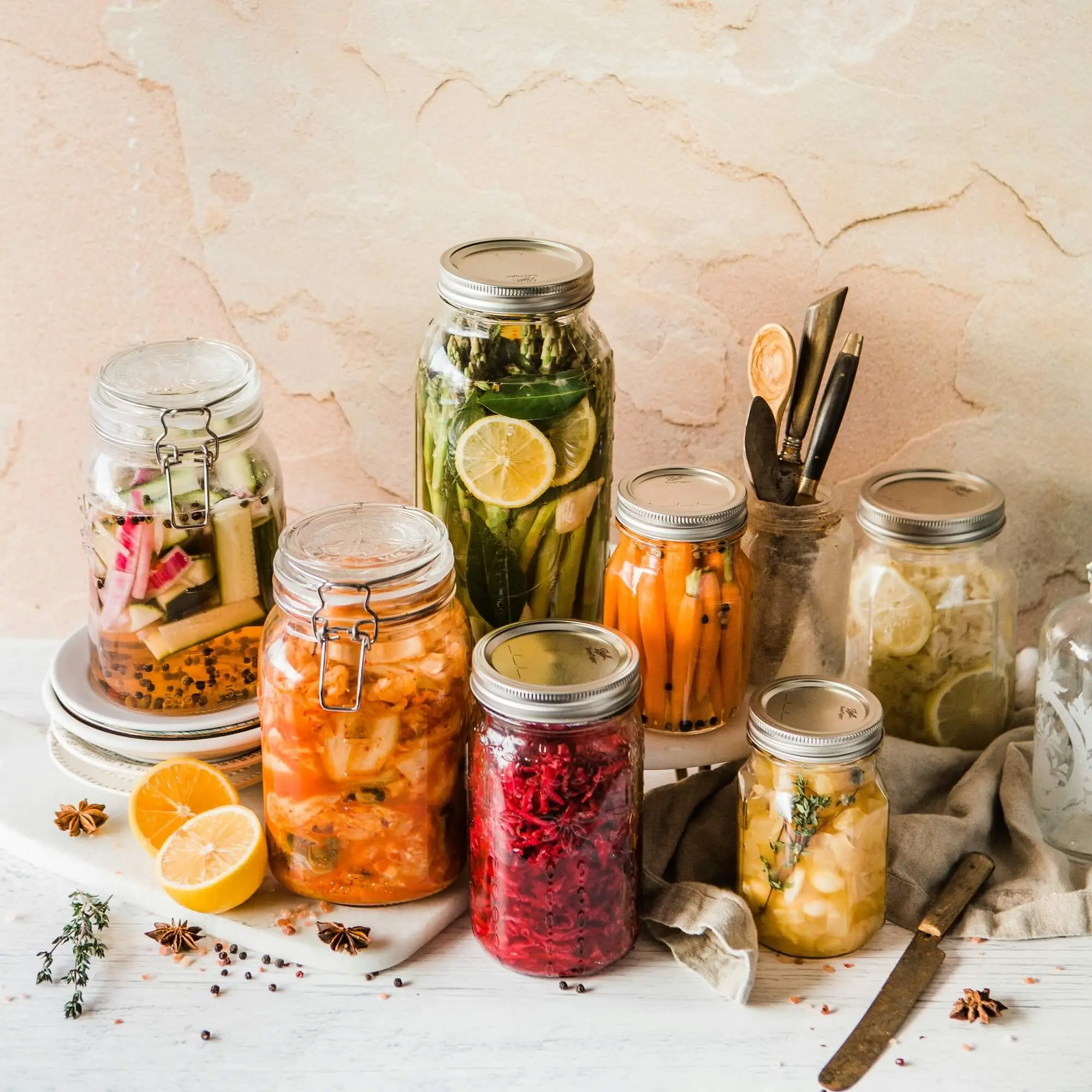
Episode 1/5 - What if we told you that your leftover tired carrots or that slightly wilted radish could transform into nutritional powerhouses and fridge superstars? Welcome to the fascinating (and slightly bubbly) world of fermentation.
What’s fermentation all about? Fermentation is a 100% natural process where good bacteria – the famous lactobacilli – transform the sugars in vegetables into lactic acid. The result: vegetables that keep much longer, without cooking, without refrigeration, without preservatives… but with tons of zing in your mouth!
It’s like giving your vegetables a fountain of youth treatment: they gain character, flavor, crunch… and even health benefits. Yes, we’re talking about your soft carrots.
Health-wise: fermented vegetables are good for your gut Fermentation is your microbiome’s best friend. It enriches foods with probiotics, those living microorganisms that aid digestion, strengthen your immune system, and even affect your mood.
Planet-wise: zero electricity, zero waste Fermenting is also a sustainable gesture:
- No need for a fridge: once started, the jar keeps at room temperature
- No cooking = no energy spent
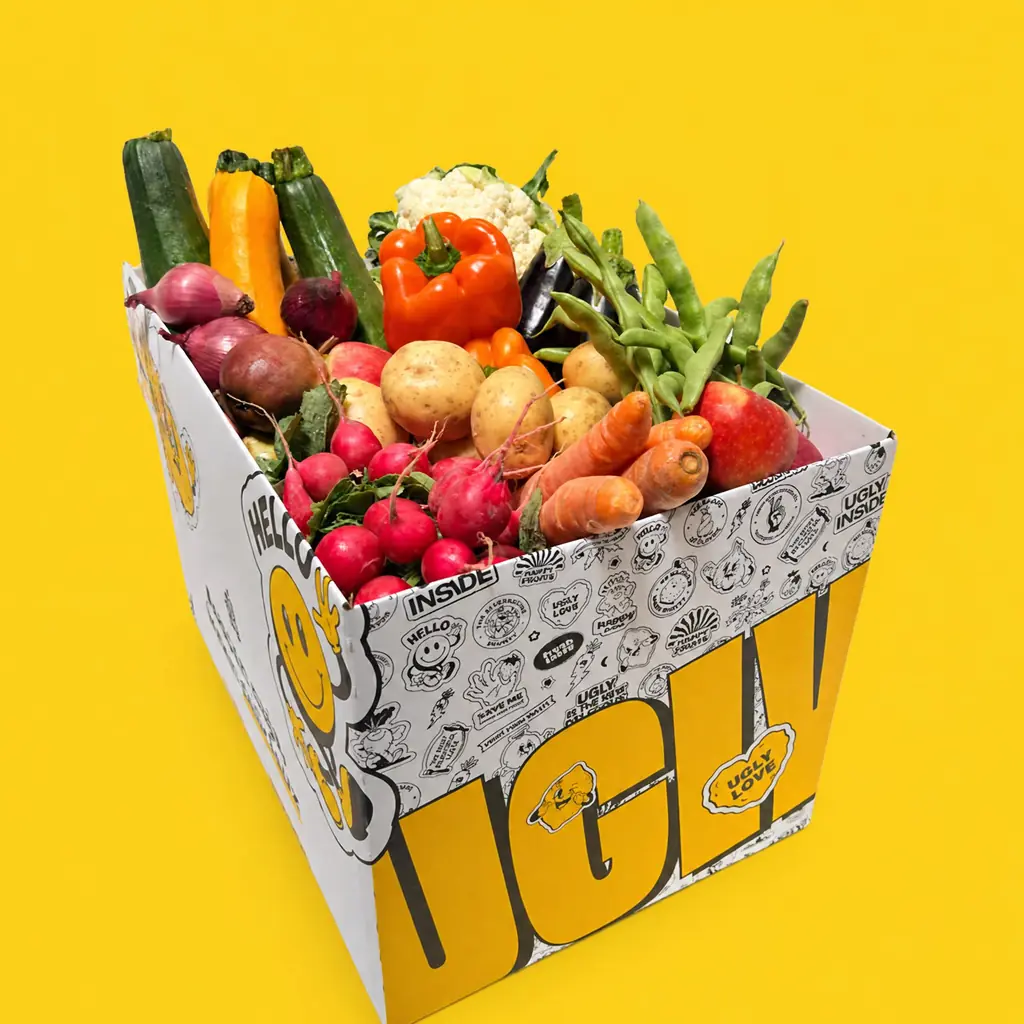
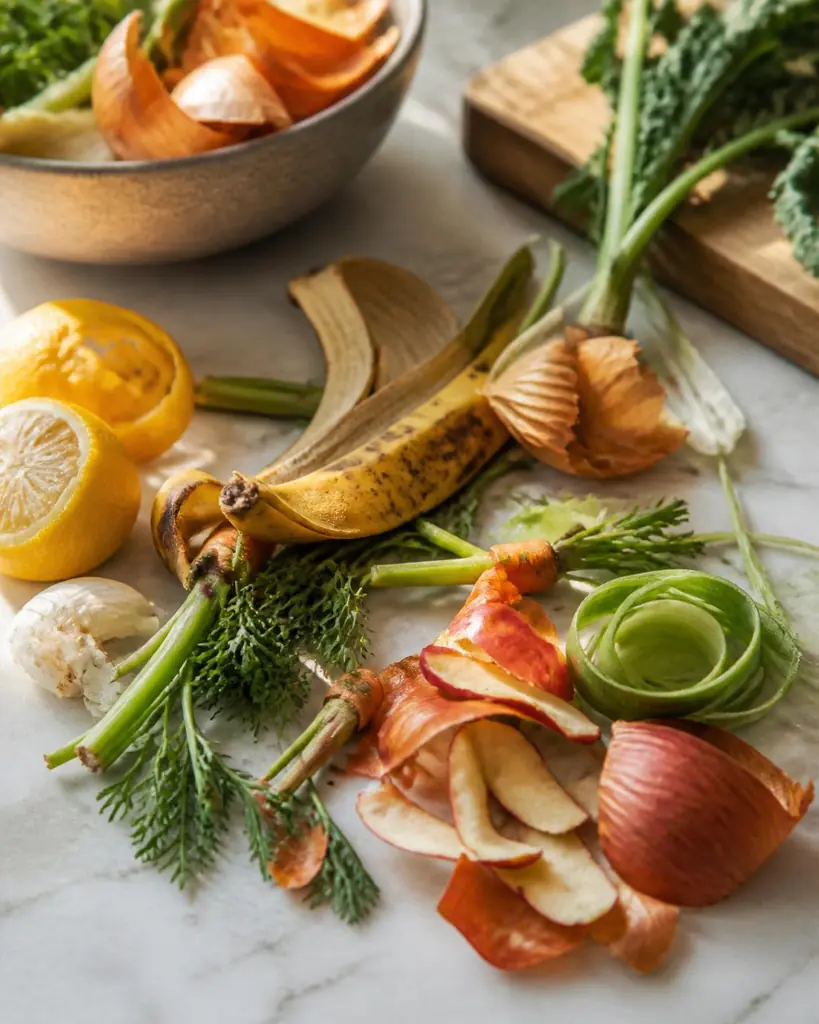
- No waste: we use what we have, even if it’s not “Instagram-worthy”
A sad-looking radish becomes a championship pickle. Now that’s a glorious ending!
Budget-wise: no need for professional equipment. A clean jar, a bit of water, a pinch of salt… and that’s it. No need for expensive equipment or a degree in microbiology. Fermentation is simple, economical, and gives amazing results.
Why are your imperfect vegetables perfect for this? Because they’re still good, even if they’ve passed their prime beauty. Fermentation doesn’t ask for vegetables calibrated like an agricultural contest. Quite the opposite: the more varied they are, the more flavors explode.
It’s like a festival of rebel vegetables who decide to make a career together. And trust us, they’re going to be a hit!
To sum up?
Fermenting your vegetables is…
A tasty way to save them
A simple and economical method
A homemade probiotic treatment
An eco-friendly gesture
And real personal satisfaction with every jar opening ✨